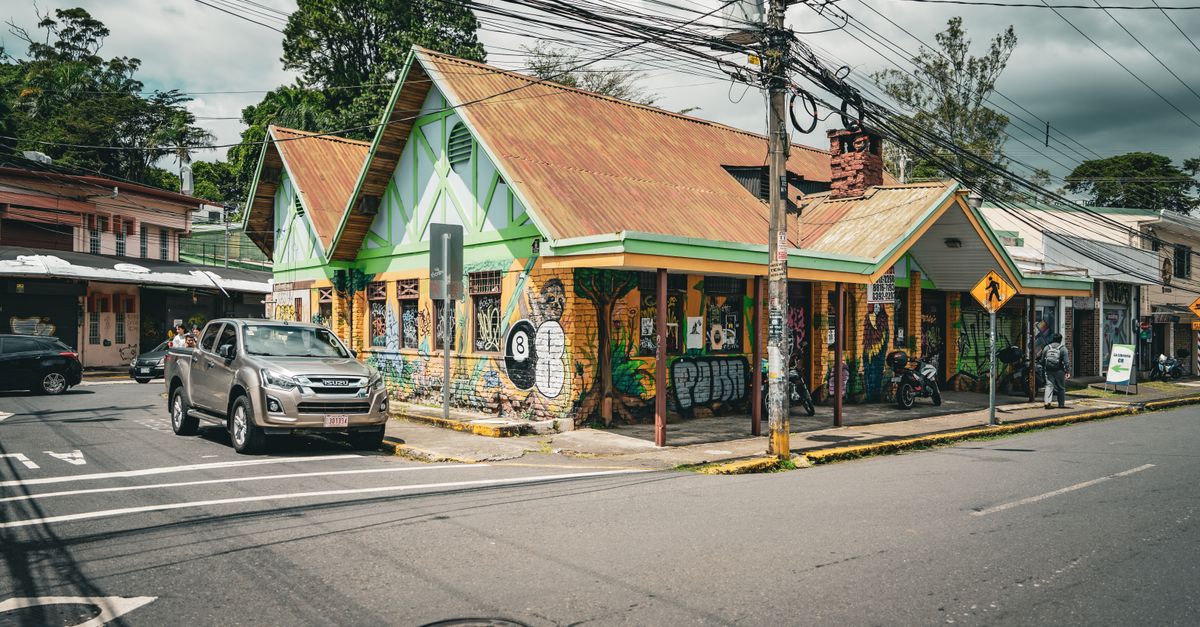
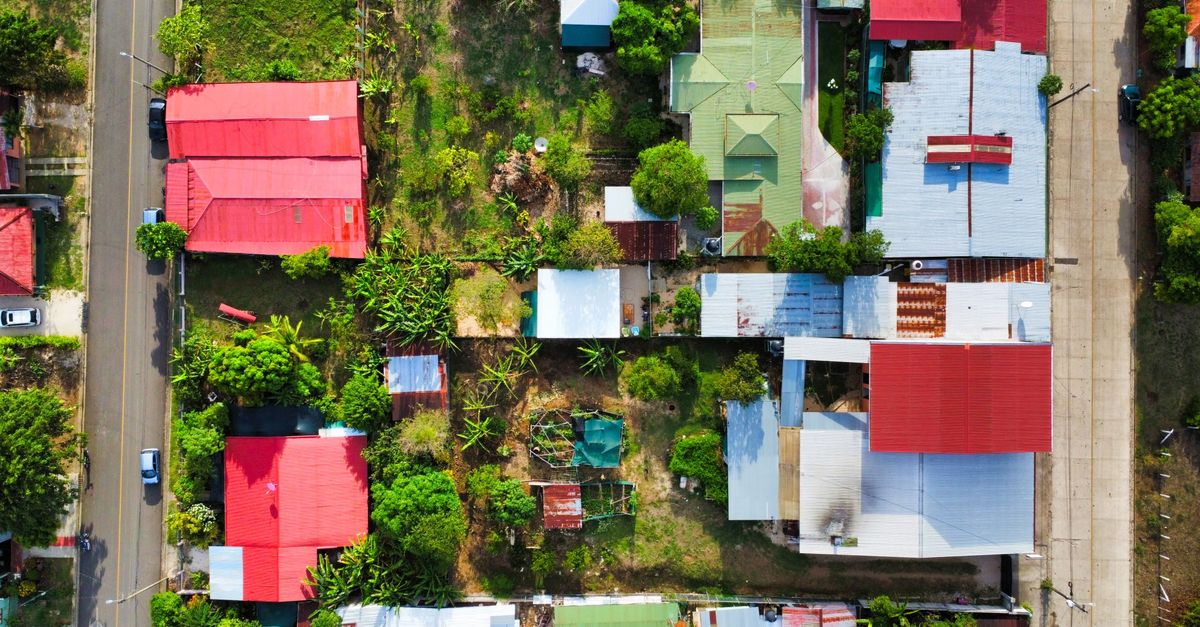
San José often gets bypassed by travellers rushing to Costa Rica's beaches and rainforests, but the capital rewards those who linger with a surprisingly rich urban culture. Beneath the exhaust fumes and chaotic traffic lies a city of Art Deco theatres, neighbourhood mercados bursting with tropical produce, and barrios where creative types have transformed crumbling walls into open-air galleries.
Costa Rica's "Tico" culture is warm, unhurried, and deeply community-oriented — qualities that shine brightest not in the tourist enclaves but in the city's less-visited corners. A Sunday morning in the Mercado de Artesanías, an evening craft beer in Barrio Escalante, or a dawn walk through Parque España reveals a metropolis comfortable in its own skin.
Skip the one-night stopover mentality. San José's hidden gems take at least three days to appreciate, and every neighbourhood holds a story the guidebooks routinely overlook.

1. Barrio Amón's Art Nouveau Mansions
Just north of the city centre, Barrio Amón is San José's most architecturally theatrical neighbourhood — a grid of late-19th-century and early-20th-century mansions built by coffee barons and European immigrants who wanted a piece of the tropics without sacrificing Old World elegance. Turrets, wrought-iron balconies, stained-glass transoms, and hand-painted tile facades line streets shaded by enormous ficus trees.
The neighbourhood's name comes from Amón Fasileau-Duplantier, a French entrepreneur who subdivided his coffee estate into residential lots in the 1890s. Many of the original mansions survive, converted into boutique hotels, embassies, and arts organisations. The Alianza Francesa occupies a particularly gorgeous pale-yellow villa, and the Centro Nacional de la Cultura (CENAC) anchors the eastern edge of the barrio in a beautifully restored liquor factory from 1856.
Barrio Amón is walkable from the central park — head north on Avenida 9 and wander freely. The streets are safe during the day, though as with anywhere in the capital, keep phones out of sight after dark. No dedicated tour is required; the architecture is reward enough for slow strolling.
Entry to CENAC's outdoor spaces is free; the attached Museo de Arte y Diseño Contemporáneo charges around $5 USD. The neighbourhood coffee shops — look for Kiosco SJO on Calle 7 — serve excellent locally grown beans for under $2. Best visited on weekend mornings when traffic is lightest.
2. Mercado Central's Hidden Comedores
Every visitor to San José passes through the Mercado Central on Avenida Central, but most head straight for the souvenir stalls near the entrance and miss the real treasure: the comedores tucked deep in the market's interior. These family-run lunch counters, some operating since the 1960s, serve the most honest Tico cooking in the city — casado plates of rice, beans, fried plantain, salad, and your choice of protein for under $4 USD.
The market itself dates to 1880 and has survived earthquakes, fires, and modernisation attempts that have flattened similar structures elsewhere in Latin America. The tight alley layout is original, and many of the butchers and spice vendors are third-generation family businesses. The smell is an assault in the best possible sense: raw meat, dried chilli, overripe maracuyá, and the faint sweetness of sugarcane juice pressed to order.
Find the comedores by walking past the butcher section on the western side and following the sound of sizzling oil. Seats are shared, ordering is done by pointing, and Spanish will help enormously — though most cooks are patient with non-speakers. Arrive between 11 a.m. and 1 p.m. for peak freshness.
A full lunch costs $3–5 USD including a refresco natural (fresh fruit drink). The market runs Monday to Saturday, 6 a.m. to 6 p.m. Pickpockets operate near the entrance; keep bags in front and wallets in front pockets. The market is a 10-minute walk from Plaza de la Cultura.
3. La Sabana Park at Dawn
Parque Metropolitano La Sabana is Costa Rica's answer to Central Park — a 72-hectare green lung on the city's western edge that serves as a gym, social club, and lung for hundreds of thousands of josefinos. At dawn it transforms into something genuinely magical: joggers weave past herons fishing in the artificial lake, families picnic under enormous guanacaste trees, and the Museo de Arte Costarricense glows golden in the morning light.
The park was originally the site of San José's first international airport, and the old terminal building — a graceful 1940s structure — now houses the art museum. The runway scar is still faintly visible in the park's layout. Cycling paths, football pitches, an Olympic swimming pool, and a sculpture garden give the park a democratic energy that tourist-facing San José lacks entirely.
Walk or cycle from the Paseo Colón end. Bicycle rental is available from informal vendors near the main entrance for around $3/hour. The park is free and open 24 hours, though dawn to midday is the sweet spot before the heat builds. Bus routes 2 and 10 from the city centre stop at the park's eastern gate.
The Museo de Arte Costarricense charges $7 USD (free on Sunday) and houses an impressive permanent collection of Costa Rican painting and sculpture from the 19th century to the present. The golden frieze in the main hall depicting pre-Columbian and colonial history is alone worth the trip. Combine with breakfast at any of the sodas (small diners) along Paseo Colón.
4. Jade Museum's Pre-Columbian Collection
The Museo del Jade opened its striking new building in 2014 and remains criminally undervisited compared to the Gold Museum two blocks away. It houses the world's largest collection of pre-Columbian jade, including pendants, axes, figurines, and ceremonial objects that span 3,000 years of Mesoamerican and South American exchange networks that passed through Costa Rica.
The jade objects tell a story more nuanced than the "jade equals Maya" shorthand most people bring. Costa Rica was a crossroads culture absorbing influences from both Mesoamerica and South America, and the Jade Museum's displays make this clear through careful contextualisation. The volcanic stone sculptures and ceramic funerary pieces on the lower floors are equally arresting.
The museum sits on Avenida Central between Calles 13 and 15, directly opposite the Plaza de la Democracia. It's a 15-minute walk east from the central park. Combined ticket with the Gold Museum costs $16 USD, or visit individually for $10. Open Tuesday to Sunday, 8 a.m. to 5 p.m.
Visit on a weekday morning for minimal crowds. The rooftop café offers a surprisingly good view over the city and decent coffee. Audio guides are available in English and Spanish for an additional $2 and add real depth to the jade collections. Allow 90 minutes minimum for a thorough visit.
5. Barrio Escalante's Craft Beer Strip
Barrio Escalante, just east of Barrio Amón, has evolved in a decade from a quiet residential neighbourhood into San José's most dynamic eating and drinking district. The strip along Calle 33 — nicknamed "the Calle de los Coros" by locals — is lined with craft breweries, small-batch coffee roasters, experimental restaurants, and galleries that spill out onto the pavement on warm evenings.
Costa Rica's craft beer scene is young but serious. Treintaycinco Calle de la Amargura, La Cueva de Sauros, and Barbarian Brewpub all have taps within walking distance of each other, each pouring IPAs brewed with local tropical fruits — guava, passion fruit, and cas (a tart native berry). The neighbourhood's food scene is equally adventurous: look for Sikwa for indigenous-influenced tasting menus, or Restaurante Nueve for contemporary Costa Rican cooking.
Escalante is a 20-minute walk east from the central park, or take a cab (around $3 USD from downtown). The strip is most alive Thursday through Saturday from 6 p.m. onward, though the coffee roasters open from 7 a.m. on weekdays. Street parking is impossible; arrive on foot or by taxi.
Craft beer pints run $4–6 USD. A full dinner at the neighbourhood's better restaurants costs $20–30 USD per person, which is expensive by local standards but excellent value by international ones. The neighbourhood is generally safe in the evening, though stick to the lit strip rather than wandering into adjacent blocks after dark.
6. Chepecletas Sunday Ciclovía
Every Sunday morning from 8 a.m. to noon, San José closes several major boulevards to motor traffic and opens them to cyclists, joggers, rollerbladers, and anyone who wants to experience the city without the usual automotive chaos. The Chepecletas initiative — "Chepe" is the affectionate nickname for the city — transforms Paseo Colón and several connecting streets into a 7-kilometre car-free corridor that feels utterly unlike any other day of the week in this traffic-choked capital.
The route passes some of San José's finest public architecture: the Teatro Melico Salazar, the Post Office building (Correos de Costa Rica) with its gorgeous terracotta facade, and the Parque España with its magnolia trees and outdoor chess players. Food stalls set up along the route selling empanadas, chiverre sweetmeats, and cold coconut water.
Bike rental kiosks operate along the route for $2–3/hour, though availability can be tight. Arrive before 9 a.m. for the best selection. The ciclovía is entirely free to participate in and runs rain or shine. It's the single best way to see central San José at a human pace and to understand the city's public life.
After the ciclovía, breakfast at one of the open-air sodas on Paseo Colón costs under $5 USD. The event attracts families, fitness groups, and curious tourists in roughly equal measure. A small farmers' market sets up in Parque España during the ciclovía hours, selling organic produce, artisan cheeses, and honey from the cloud forests around Monteverde.
7. Orosi Valley Day Trip
An hour's drive southeast of San José lies one of the country's most beautiful and least-visited valleys: the Orosi Valley, a volcanic depression filled with coffee plantations, hot springs, colonial churches, and the Cachí reservoir glittering between forested ridges. Most visitors to Costa Rica never make it here, preferring the beaches or the famous cloud forests — which makes Orosi all the more rewarding for those who do.
The valley's centrepiece is the Iglesia de Orosi, a small colonial church built in 1743 and one of the oldest surviving religious structures in Costa Rica. The attached convent museum houses colonial-era art and religious objects in a setting of extraordinary tranquillity. The village of Orosi itself has perhaps 2,000 inhabitants and operates at a pace that feels deliberately removed from the 21st century.
Drive yourself via the Cartago highway or take a bus from the San José terminal de buses on Calle 16. The bus journey costs around $1.50 USD and takes 90 minutes including a change in Cartago. Organised day tours from San José run $65–80 USD per person from the major hostels and are worth considering for the historical context the guides provide.
Hot springs at Balneario de Aguas Termales in Orosi charge $7 USD entry and are filled with geothermally heated water of around 35°C — perfect after a morning of hiking the valley's coffee trails. The full valley loop by car takes 3–4 hours including stops. Pack a picnic from the Mercado Central; restaurant options in the valley itself are limited.
8. Teatro Nacional's Backstage Secret
San José's Teatro Nacional — the gorgeous neoclassical building on Avenida 2 — is on every tourist itinerary, but almost nobody takes advantage of the fact that the theatre offers self-guided visits throughout the day when no performance is scheduled. The interior is astonishing: ceiling frescoes by the Italian artist Aleardo Villa depicting coffee and banana harvests, gilded balconies in three tiers, and a foyer of polished Italian marble that feels lifted wholesale from an 1890s Viennese opera house.
The theatre was built in 1897, funded by a special tax on coffee exports, and its construction required importing not just Italian craftsmen but the marble, ironwork, and velvet from Europe as well. The building survived the 1910 earthquake that flattened much of Cartago and has been meticulously maintained since. Costa Ricans rightly regard it as a national treasure.
Self-guided visits cost $10 USD and include access to the main hall, backstage corridor, and the elegant café in the foyer — which serves the best coffee in the city centre at $2–3 per cup. Guided tours in English run at 11 a.m. on Tuesdays and Thursdays for $15. Performance tickets (for evening shows) run $15–40 USD and are worth every cent for the experience of seeing the theatre in full theatrical mode.
Check the theatre's schedule online at teatronacional.go.cr — the programme includes classical music, contemporary dance, and visiting international performers throughout the year. The café is open even when the theatre is closed to visits, making it an excellent refuge from the heat of central San José during the afternoon.

9. Churrería el Dulce Refugio
Hidden on a side street in Barrio Escalante, Dulce Refugio is a churrería and chocolate atelier that has been operating since 1985 with almost no marketing beyond word of mouth. The family behind it sources cacao directly from indigenous Bribri communities in the Talamanca mountains and produces a line of dark chocolates and chilli-spiced drinking chocolates that bear no resemblance to the commercial confectionery sold in the tourist shops of La Merced.
The shop's interior is a shrine to Costa Rican cacao culture: drying pods hang from the ceiling, roasting equipment occupies one corner, and a small counter serves hot chocolates, churros with chocolate dipping sauce, and individual chocolate squares for tasting. The proprietor, a third-generation chocolatier, speaks limited English but communicates fluently through enthusiasm and generous samples.
Find it on Calle 29 in Escalante, about 200 metres north of the main restaurant strip — look for the hand-painted sign above a narrow door. Open Tuesday to Saturday, 10 a.m. to 7 p.m. A box of six artisan chocolates costs around $8 USD; the hot chocolate and churros set is $5 USD. Cash only.
The shop also runs 90-minute cacao-to-chocolate workshops on Saturday mornings at $25 per person — reserve by phoning ahead or asking at the counter. You'll learn the full process from roasting raw cacao nibs to tempering finished chocolate. It's the most authentic food experience in San José and utterly unknown to most visitors.
10. Cementerio General's Garden of Tombs
San José's Cementerio General, opened in 1851 on the western edge of the historic centre, is one of Central America's most extraordinary open-air sculpture galleries — a fact that most visitors discover entirely by accident. The cemetery's 19th-century sections contain elaborately carved marble monuments imported from Italy: weeping angels, draped urns, classical columns, and portrait busts of the coffee oligarchy who built modern Costa Rica.
Walking the shaded avenues between the tombs is a surprisingly affecting experience. The inscriptions tell the story of Costa Rica's immigrant communities — German, Italian, French, Chinese, and Jamaican families who came to work the railroads and plantations and built a country in the process. The section dedicated to former presidents is particularly well maintained, with plaques noting each leader's achievements.
The cemetery sits on Avenida 10 between Calles 20 and 26, a 15-minute walk west from the central market. Entry is free and it's open daily from 6 a.m. to 6 p.m. The area around the cemetery gates can be rough; go in daylight hours and avoid wearing expensive jewellery. Taxis from the centre cost about $3 USD.
The best time to visit is the Día de los Muertos on November 2, when families fill the cemetery with marigolds and candles and the atmosphere transforms into something between mourning and fiesta. At any time of year, the oldest section near the main gate — dating to the 1850s — contains the most impressive monuments. A free printed guide is available from the administration office near the entrance.