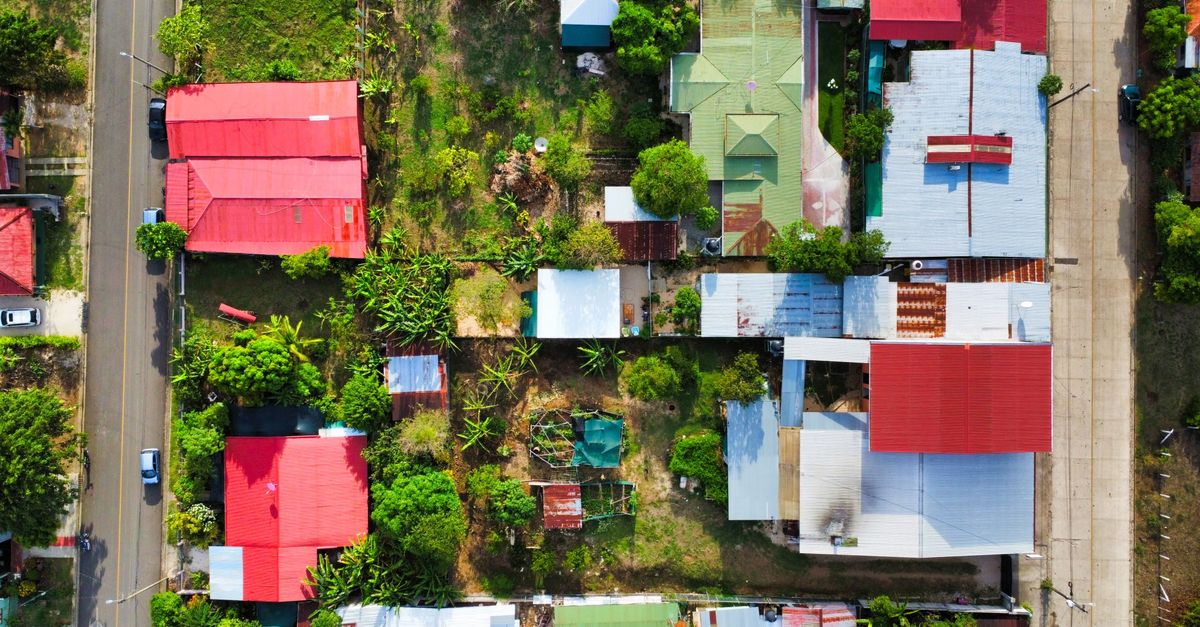
San José gets unfairly maligned by guidebooks and travellers alike — the standard advice is to land at SJO, sleep one night near the airport, and bolt for Manuel Antonio or Monteverde the following morning. That advice is wrong. Costa Rica's capital, ringed by the Central Valley's coffee-fringed mountains and home to two and a half million people across the metropolitan area, is one of the most affordable city bases in Central America. A traveller willing to skip the international hotel chains, eat at sodas instead of fusion restaurants, and use the city's surprisingly comprehensive bus network can survive on USD 35-45 a day comfortably. This guide covers every lever for stretching colones across museums, neighbourhood food halls, free urban parks, and a coffee culture that produces some of the world's most expensive beans at street-stall prices. Costa Rica is not the budget destination it was in 2010, but San José remains the cheapest gateway to the country and a city where careful spending unlocks genuinely good experiences.
Getting There on a Budget
The vast majority of international visitors arrive at Juan Santamaría International Airport (SJO), which sits 18 kilometres west of central San José in the suburb of Alajuela. The good news for budget travellers is that the public bus link to the city is one of the cheapest airport transfers in the Americas — the Tuasa bus runs every 5-10 minutes from a small bus stop directly across from the airport terminal (cross the parking lot, walk to the main road, and look for the orange-and-white buses) and costs CRC 615 (around USD 1.10) for the 45-60 minute ride to downtown San José. Buses run from roughly 4:30am to midnight.

The bus terminates at Avenida 2 between Calles 12 and 14 in central San José, near the Hospital San Juan de Dios and a few blocks from most hostels in Barrio Amón and Barrio Otoya. Drag-bag travellers should know the city is walkable from this terminus, but uber-cheap taxis or short Uber hops to your hostel run CRC 1,500-3,000 (USD 2.70-5.50) if you arrive late or with heavy luggage.
For arrivals from elsewhere in Costa Rica, the country's bus network converges on San José. The main long-distance terminals are Terminal 7-10 (international and Pacific routes), Terminal Atlántico Norte (Caribbean coast and northern routes), and Terminal Coca-Cola (a chaotic but cheap hub for nearby provinces). Domestic bus fares are extraordinarily cheap by international standards: La Fortuna to San José runs around CRC 3,000 (USD 5.50), Manuel Antonio CRC 5,500 (USD 10), and Monteverde CRC 4,500 (USD 8.20). The Tracopa, Mepe, and TUASA companies handle most major routes.
From neighbouring countries, the cheapest overland approach is the TICA Bus from Managua, Nicaragua (USD 28-32, 9 hours via the Peñas Blancas border) or from Panama City via David and Paso Canoas (USD 35-45, 16-18 hours). Flying internationally during shoulder season (May-June, September-November) routinely undercuts overland buses on time and sometimes price — check Avianca, Copa, and JetBlue for sub-USD 250 fares from US gateways.
Budget Accommodation
San José's hostel scene is genuinely competitive — dorm beds in safe, central neighbourhoods routinely run CRC 7,000-12,000 (USD 13-22) and private rooms with shared bathrooms hover around CRC 18,000-28,000 (USD 33-51). The best concentration of budget accommodation is in Barrio Amón and Barrio Otoya, two adjacent neighbourhoods north of the centre that combine colonial architecture, walkable restaurants, and easy access to the National Theatre and the museums.

Costa Rica Backpackers (Avenida 6, Calle 21, Barrio Otoya, CRC 9,500-12,000 dorm, CRC 28,000-34,000 private double) is the long-running social hostel of choice — pool, garden bar, communal kitchen, and a steady stream of solo travellers planning Manuel Antonio and Monteverde routes. The breakfast (gallo pinto, scrambled eggs, fruit, coffee) is included and is one of the better hostel breakfasts in Central America. Walk-ins almost always get beds outside December-January peak.
Hostel Pangea (Avenida 7, Calle 3, Barrio Amón, CRC 11,000-14,500 dorm, CRC 30,000-38,000 private double) sits in a restored colonial mansion with a rooftop pool that is genuinely useful in San José's warmer afternoons. The location is excellent — five minutes' walk to the Plaza de la Cultura, the Gold Museum, and the National Theatre. The hostel runs free walking tours most mornings and has a busy bar most nights, which is a feature or a problem depending on your sleep priorities.
Selina San José (Avenida 9, Calle 3, CRC 10,000-14,000 dorm, CRC 35,000-50,000 private) brings the international hostel-chain template to a converted building near the National Museum. Coworking space, yoga, decent cafe — pricier than the local hostels but reliable for digital nomads needing wifi that actually works.
Hotel Aranjuez (Calle 19, Avenidas 11-13, Barrio Aranjuez, CRC 32,000-48,000 double with breakfast) is the budget guesthouse benchmark — a sprawling family-run operation with a tropical garden breakfast area, simple but clean rooms with private bathrooms, and a famously generous Costa Rican breakfast included. Couples and travellers wanting privacy without splurging end up here. Book ahead in dry season (December-April).
Eating Cheaply Like a Local
The single most important word in Costa Rican budget eating is casado — the working-class lunch plate of rice, black beans, plantains, salad, a small portion of meat (chicken, fish, pork, or beef), and sometimes a spoonful of picadillo. A casado at a soda — the term for a small, family-run Costa Rican lunch counter — runs CRC 2,800-4,500 (USD 5-8) and is genuinely filling, served with fresh fruit juice (a refresco natural in agua or in leche), and is the meal that powers the entire country's working population.

The Mercado Central (Avenida Central, Calles 6-8) is the city's spiritual food centre — a chaotic indoor market full of butcher stalls, fish counters, fruit vendors, and sodas where you elbow up to a counter and order. Soda Tala and Soda Macarena inside the market are reliable for casados, sopa de mariscos (seafood soup, CRC 4,000-5,500), and gallo pinto breakfasts (CRC 1,800-2,500). The market closes around 6pm and is a daytime experience only.
The Mercado Borbón, a few blocks north, is rougher and cheaper — locals shop here for produce and there are several no-name sodas where casados drop to CRC 2,500. Worth the walk if you're already in the centre and want the absolute floor price for a hot meal.
Outside the markets, the best budget eating is in Barrio Escalante, where the recent food-hall trend has produced multiple affordable options. Mercado Escalante (Calle 33, Avenida 7) hosts a dozen food stalls — ceviche from CRC 3,500, empanadas CRC 1,200, casados CRC 4,500. Barrio Escalante also has the city's best panaderías — Musmanni (a chain) sells fresh bread and pastries from CRC 600.
Costa Rica's coffee culture is genuinely affordable at street level. A black coffee at a bakery or soda costs CRC 700-1,200 (USD 1.30-2.20); a cappuccino at a third-wave specialty cafe runs CRC 1,800-2,800. The single best cheap coffee in the city is at Café Talentum and Franco in Barrio Escalante. Self-caterers should buy a bag of Café Britt or Café 1820 from any supermarket (CRC 4,500-7,000) — the same beans sell in airport gift shops at three times the price.
For a self-catering budget, the Automercado, Más x Menos, and the smaller Pali chain supermarkets stock everything you need for breakfast and lunch sandwiches. A typical hostel kitchen breakfast (eggs, fruit, bread, coffee) runs CRC 2,500-3,500 per person.
Free & Low-Cost Attractions
Central San José has more free and near-free attractions than most travellers expect, and the city's compactness means a single walking day covers the major historical and cultural sites.

The Plaza de la Cultura and the surrounding pedestrian streets are free to wander and concentrate the best people-watching in the city. The plaza sits above the Gold Museum and beside the National Theatre, with marimba musicians, sloth-suited photographers, and the constant low hum of working-day San José.
The Museo del Oro Precolombino y Numismática (Pre-Columbian Gold Museum, under Plaza de la Cultura, CRC 6,000 / USD 11) is the city's flagship museum and worth every colón — three floors of pre-Hispanic gold work, indigenous history, and Costa Rican coinage. Allow 90 minutes minimum.
The Museo Nacional de Costa Rica (National Museum, Plaza de la Democracia, CRC 5,000 / USD 9, free Sundays for residents and locals) sits inside the old Bellavista barracks and houses an excellent pre-Columbian collection plus the famous granite stone spheres of Diquís. The butterfly garden inside the courtyard is included with admission.
The Teatro Nacional (National Theatre, Avenida 2, CRC 5,000 self-guided tour) is the city's most beautiful interior — a 1897 neoclassical opera house modelled on European theatres, with marble staircases and ceiling frescoes. Tickets to actual performances start at CRC 6,000-12,000 and are far better value than the tour alone.
Free attractions worth a half-day each include Parque Metropolitano La Sabana (the city's massive western park, free, joggers and weekend football matches and the Costa Rican Art Museum at the eastern edge), Parque Nacional with its monumental statue commemorating the 1856 war against William Walker, and the wandering pedestrian boulevards along Avenida Central.
The free Chepe Cletas walking tour (donations welcome, departs from Plaza de la Cultura most mornings around 9am, check Instagram for current schedule) is the standard budget orientation — three hours covering the centre, Barrio Amón, and the major plazas with bilingual local guides.
Getting Around on a Budget
San José's central grid is walkable end-to-end in 30-40 minutes — most budget travellers never use public transport within the centre at all. The pedestrianised Avenida Central connects the main commercial district from the Mercado Central east through the Plaza de la Cultura to the Plaza de la Democracia and the National Museum, a flat 15-minute walk.
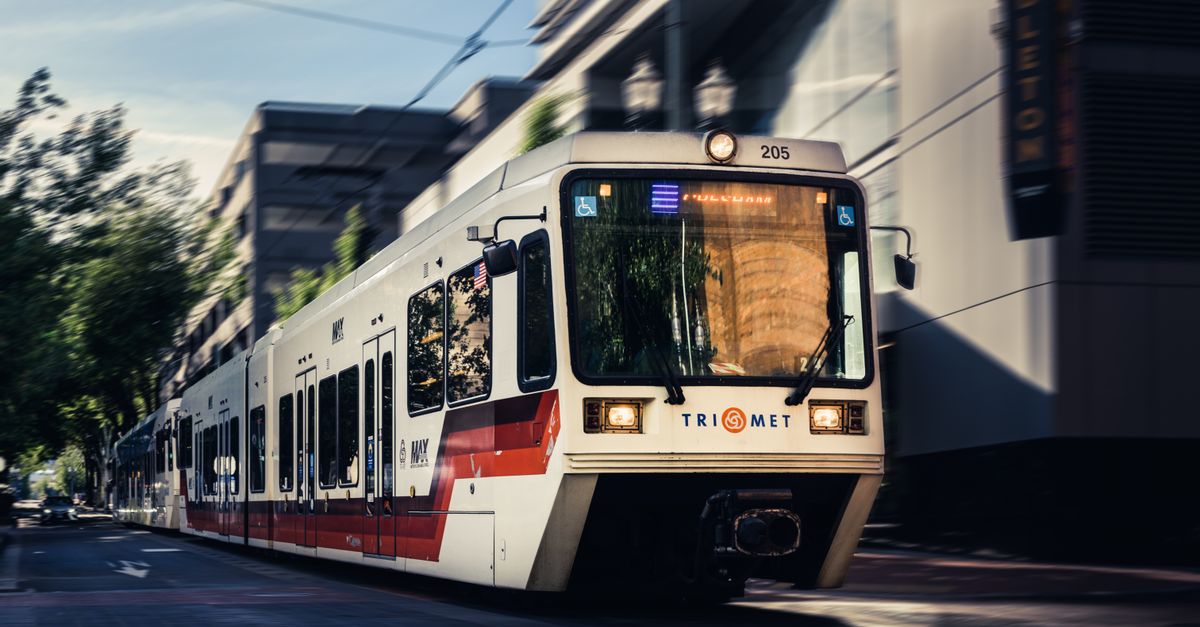
For longer distances within the city and to outlying neighbourhoods, the public bus network is the cheapest option in the country — CRC 380-800 (USD 0.70-1.50) per ride, paid in cash to the driver. Useful routes include the Sabana-Cementerio bus (links La Sabana park to the centre), the Universidad bus to San Pedro and the University of Costa Rica campus, and the buses to Cartago, Heredia, and Alajuela that depart every 5-15 minutes from various small terminals around the centre.
Uber operates in San José in a legal grey zone but works reliably across the metropolitan area. Cross-city rides typically run CRC 2,500-5,500 (USD 4.50-10) and are a useful safe option for late-night returns to your hostel. Standard taxis (red with yellow triangles, marked "taxi") use meters (la maría) — insist on the meter and rides drop to CRC 2,000-4,500 across the centre. Pirate taxis (unmarked) charge whatever they think you'll pay; avoid.
For day trips, the cheapest excursions from San José are the public buses to Cartago (CRC 800, 50 minutes) for the Basilica de los Ángeles and the Lankester Botanical Garden, to Volcán Poás via Alajuela (CRC 2,500, 2 hours, plus park entry), and to Volcán Irazú via Cartago (CRC 1,500 round trip, 90 minutes, weekends only on the direct bus).
Money-Saving Tips
Costa Rica is more expensive than most of Central America, but a careful traveller can shave 30-40% off typical guidebook budgets with a few specific habits. The following tips are the highest-leverage ones I have collected from years of San José stays.
1. Eat your main meal at lunch. Sodas and worker cantinas serve casados from 11:30am-2pm at CRC 2,800-3,800; the same plates at dinner-oriented restaurants run CRC 5,500-9,000. Front-load your eating to the lunch hour and treat dinner as a snack or self-catered meal.
2. Pay in colones, not dollars. Costa Rica accepts USD widely, but the informal exchange rate at restaurants, hostels, and small shops is always worse than the bank rate. Withdraw colones from any Banco Nacional or BCR ATM (no foreign ATM fee on most cards), pay in local currency, and save 4-7% on every transaction.
3. Stay in hostels with included breakfast. Costa Rica Backpackers, Hostel Aranjuez, and most Barrio Amón hostels include the standard gallo pinto breakfast in the room rate. This is the equivalent of a USD 4-6 daily food saving and the best meal of the day at most hostels.
4. Take the local bus from the airport. The Tuasa bus from SJO to downtown is CRC 615 versus CRC 18,000-25,000 for an airport taxi. The single largest budget mistake first-time visitors make is taking the airport taxi.
5. Skip the rental car. A budget rental car in Costa Rica costs USD 35-55 per day plus mandatory insurance and parking — the bus network covers virtually every destination on the standard tourist circuit at one-tenth the price. Rent a car only for off-the-beaten-track Caribbean coast or remote Nicoya routes.
6. Travel in the green season. The May-November rainy season cuts hostel prices by 20-30% and tour operator prices by 15-25% while still delivering 4-6 hours of dry weather most days. The "off-season" is the best season for budget travel.
7. Buy coffee and souvenirs at supermarkets, not gift shops. A bag of Café Britt at the airport gift shop costs USD 16-22; the same bag at any San José supermarket runs USD 5-8. Wood crafts, ceramics, and local liquor (Cacique guaro) all follow the same pattern.


