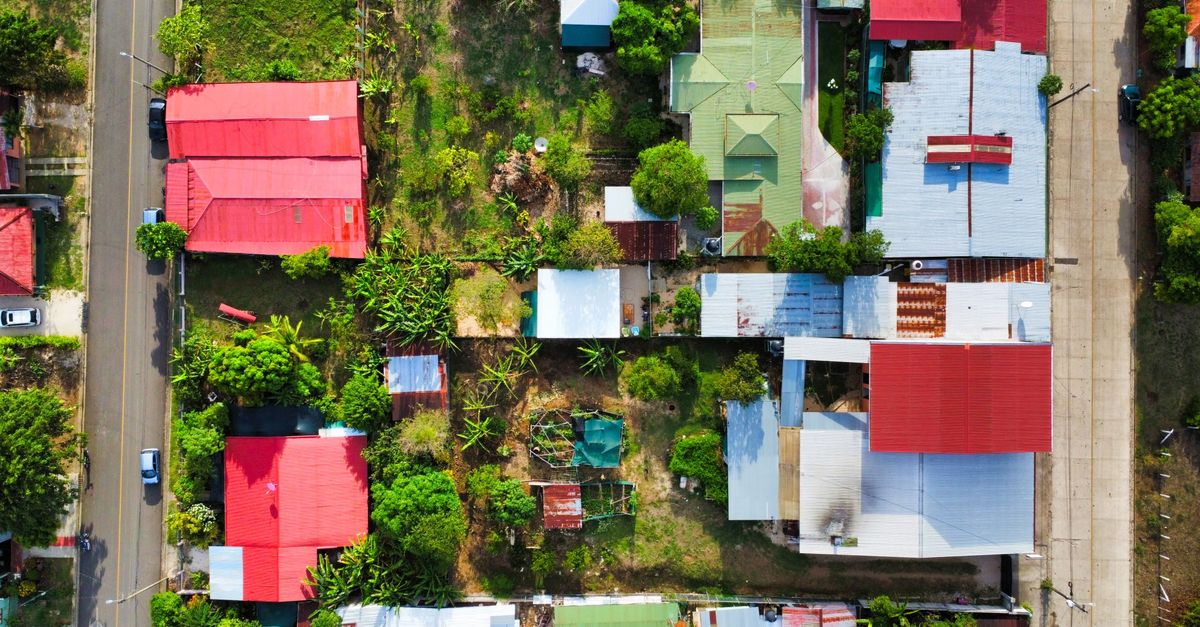
San José reveals itself slowly to those willing to look beyond the guidebook summaries. The food tells stories that architecture alone cannot, and the rhythm of daily life carries a cadence that no amount of tourist infrastructure can replicate.
Three days is enough to fall under its spell, to eat meals that recalibrate your expectations, and to walk streets that hold past and present in productive tension. Come with comfortable shoes and an open appetite.

Downtown & Museums
Morning (8:00 AM) — National Theater morning tour: The atmosphere builds gradually as you explore — from initial orientation to genuine immersion. Allow at least an hour, more if you read every plaque and peer around every corner. The surrounding streets offer good cafes for a post-visit debrief over coffee or a cold drink. Check opening hours in advance as seasonal schedules vary.
Mid-Morning (10:30 AM) — Gold Museum galleries: This is one of San José's defining experiences — photographs cannot fully convey the combination of visual impact and cultural significance. Spend at least 45 minutes here, preferably in the morning when the light is best and crowds are manageable. The views from elevated sections reward the climb, offering a perspective that reframes the city's layout.
Afternoon (1:00 PM) — Jade Museum exhibits: Arrive early — by midday the tour groups arrive in force. The atmosphere is best appreciated at a slow pace, with stops to absorb details that reveal themselves only to those paying attention. A local guide can unlock layers of meaning invisible to the uninstructed eye. Budget at least an hour and resist the urge to rush.
Late Afternoon (3:30 PM) — Central Market lunch walk: The combination of natural beauty and human history here creates an experience on multiple levels. First-time visitors often focus on the photogenic elements, but the deeper reward comes from understanding why this place exists and what it means to the people who live here. Take your time — the place is not going anywhere.
Evening (6:00 PM) — Barrio Amón historic evening: What makes this stop essential is how it connects to San José's larger story — a narrative of decisions, ambitions, and compromises that explain why the city looks and feels the way it does. Experiencing it in person adds a dimension that reading about it cannot replicate.
Poás Volcano & Coffee Tour
Morning (8:00 AM) — Poás Volcano National Park: The atmosphere builds gradually as you explore — from initial orientation to genuine immersion. Allow at least an hour, more if you read every plaque and peer around every corner. The surrounding streets offer good cafes for a post-visit debrief over coffee or a cold drink. Check opening hours in advance as seasonal schedules vary.
Mid-Morning (10:30 AM) — Doka Estate coffee tour: This is one of San José's defining experiences — photographs cannot fully convey the combination of visual impact and cultural significance. Spend at least 45 minutes here, preferably in the morning when the light is best and crowds are manageable. The views from elevated sections reward the climb, offering a perspective that reframes the city's layout.
Afternoon (1:00 PM) — La Paz Waterfall Gardens: Arrive early — by midday the tour groups arrive in force. The atmosphere is best appreciated at a slow pace, with stops to absorb details that reveal themselves only to those paying attention. A local guide can unlock layers of meaning invisible to the uninstructed eye. Budget at least an hour and resist the urge to rush.
Late Afternoon (3:30 PM) — Return to San José: The combination of natural beauty and human history here creates an experience on multiple levels. First-time visitors often focus on the photogenic elements, but the deeper reward comes from understanding why this place exists and what it means to the people who live here. Take your time — the place is not going anywhere.
Barrio Escalante & Day Trip
Morning (8:00 AM) — Barrio Escalante food crawl: The atmosphere builds gradually as you explore — from initial orientation to genuine immersion. Allow at least an hour, more if you read every plaque and peer around every corner. The surrounding streets offer good cafes for a post-visit debrief over coffee or a cold drink. Check opening hours in advance as seasonal schedules vary.
Mid-Morning (10:30 AM) — Lankester Botanical Garden: This is one of San José's defining experiences — photographs cannot fully convey the combination of visual impact and cultural significance. Spend at least 45 minutes here, preferably in the morning when the light is best and crowds are manageable. The views from elevated sections reward the climb, offering a perspective that reframes the city's layout.
Afternoon (1:00 PM) — OR Irazú Volcano trip: Arrive early — by midday the tour groups arrive in force. The atmosphere is best appreciated at a slow pace, with stops to absorb details that reveal themselves only to those paying attention. A local guide can unlock layers of meaning invisible to the uninstructed eye. Budget at least an hour and resist the urge to rush.
Late Afternoon (3:30 PM) — Evening in Barrio Amón: The combination of natural beauty and human history here creates an experience on multiple levels. First-time visitors often focus on the photogenic elements, but the deeper reward comes from understanding why this place exists and what it means to the people who live here. Take your time — the place is not going anywhere.
Budget Breakdown (Per Person, 3 Days)
| Category | Budget | Mid-Range | Luxury |
|---|---|---|---|
| Accommodation (3 nights) | CRC 60,000 | CRC 150,000 | CRC 450,000 |
| Food & Drinks | CRC 30,000 | CRC 75,000 | CRC 210,000 |
| Transport | CRC 10,000 | CRC 25,000 | CRC 75,000 |
| Activities | CRC 15,000 | CRC 45,000 | CRC 120,000 |
| Total | CRC 115,000 | CRC 295,000 | CRC 855,000 |
Practical Tips for San José
Getting Around
City buses, Uber, taxis covers most of San José. Combine public transport for longer distances with walking for neighborhoods. Download offline maps before arriving. Multi-day transit passes almost always offer better value than single tickets.
When to Visit
Visit San José during December-April for comfortable walking weather and accessible outdoor attractions. Shoulder seasons bring fewer crowds and lower prices.
Local Culture & Etiquette
Costa Rica's most famous export is not coffee or pineapples but an attitude: pura vida, literally "pure life," used as greeting, farewell, expression of contentment, and general affirmation that things are working out as they should. In San José this phrase is not a tourism tagline — it is genuinely embedded in how Ticos (Costa Ricans) manage difficulty, disagreement, and the unexpected with a level of patient cheerfulness that visitors often find both disarming and contagious. Understanding what underpins it is more useful than simply repeating the phrase back.
The pace. San José operates more slowly than its Central American neighbors in terms of formality and urgency. Service at restaurants and cafes follows a warm but unhurried rhythm — snapping fingers, checking your watch visibly, or asking for the bill more than once will create mild social awkwardness rather than faster service. The correct approach is eye contact and a patient smile when ready to order. Meals are social events rather than fuel stops, and a lunch between friends or colleagues at a traditional soda (casual Costa Rican diner) typically runs 90 minutes without anyone feeling detained.
The soda culture. The soda — a small, often family-run restaurant serving Costa Rican home cooking — is the social institution most worth understanding. The casado (literally "married man"), the national lunch plate of rice, black beans, salad, plantains, and a protein, costs ₡4,500–7,000 ($8–13) at a neighbourhood soda and is the most honest introduction to Tico food culture available at any price. Sodas typically open for breakfast (gallo pinto — rice and beans with eggs — from 7 AM) and lunch (11 AM–2 PM) but close in the afternoon, reopening for dinner only at more established spots. The Mercado Central, one block from the Gold Museum in downtown San José, contains 40+ sodas in a covered market setting and is where to eat a casado for the lowest possible price in the city.
Environmental consciousness. Costa Rica generates over 99% of its electricity from renewable sources and has built its national identity significantly around environmental protection. Littering is both illegal and genuinely frowned upon socially. Plastic bags are increasingly replaced by paper or reusable alternatives. Sorting recycling (the blue bin system is visible in hotels and many public spaces) is appreciated. Any commentary that respects Costa Rica's conservation achievements — the 30% national park coverage, the absence of a standing army since 1948, the commitment to carbon neutrality — goes down well in conversation. Criticism of these achievements, even in jest, goes down poorly.
Safety and street awareness. San José has a reputation, partly earned and partly exaggerated, for petty theft in the downtown core. The areas around Parque Morazán and the Coca-Cola bus terminal warrant normal urban vigilance after dark. That said, Barrio Amón (immediately north of downtown), Barrio Escalante (east), and the Paseo Colón corridor are genuinely pleasant walking neighbourhoods by day and evening. Uber is reliable, cheap (most city trips run ₡2,500–5,000, approximately $5–9), and the safest transport option at night.
Continuing to Panama? Read our Panama City 3-Day Itinerary for your next adventure.