San Miguel de Allende's reputation has shifted in the past two decades from a well-kept secret for artists and retirees to one of Mexico's most heavily marketed destinations — listed on Condé Nast's "best city" lists repeatedly, its colonial centro declared UNESCO World Heritage, its boutique hotel industry one of the most sophisticated in Latin America. This success has made San Miguel beautiful to look at and somewhat crowded in the center, but has also created a shadow economy: the markets, villages, and cultural practices of the Bajío region surrounding the city that continue largely unchanged because they serve the Mexican population rather than the tourism industry.
This guide is for travelers who have come to San Miguel for the beauty and want to understand it more deeply — or who have come despite the marketing because they suspect there's something real underneath. The real San Miguel is in the barrios behind the centro, in the hot spring systems of the surrounding countryside, in the indigenous Otomí communities of the nearby mountains, and in the local food that San Miguel's residents eat rather than the tourist restaurants that serve elevated Mexican cuisine at New York prices. Plan slow: San Miguel rewards walking and sitting still more than checking off attractions.
San Miguel's centro is entirely walkable; the surrounding areas require a taxi or rental car. Taxis within the city cost MXN 50–80; to the hot springs or countryside MXN 150–300 round-trip depending on destination. Uber operates in San Miguel but coverage is limited. Budget in pesos — though the city's tourist economy increasingly prices in USD, the local economy remains peso-denominated.
1. Mercado de Artesanías and Barrio San Antonio
The Mercado de Artesanías on Loreto, two blocks east of the Jardín (the central plaza), is where the city's local artisans and market vendors operate at prices for the Mexican community rather than the tourist economy. The vendors here sell the same Talavera ceramics, Otomí textiles, and tinwork that the boutique shops charge three to five times more for on Recreo and Relox Streets. More significantly, the market's food stalls in the back section — open from early morning — serve gorditas (thick stuffed corn cakes), enchiladas verdes, and the hearty breakfast soups that residents eat before work. Walking east into Barrio San Antonio from the market reveals a residential neighborhood of adobe houses, street dogs, and morning tortilla smell that is entirely different from the sanitized centro experience.
San Miguel's barrios (neighborhoods) behind the tourist centro have maintained their working-class Mexican character through the entire period of touristic development — partly because the tourists who come for the Spanish colonial beauty rarely walk east of the Jardín, and partly because the barrio identity is strong enough to resist displacement. Barrio San Antonio, Barrio Guadiana, and Barrio Insurgentes are all worth walking.
Walk east from the Jardín on Calle Mesones or Calle San Francisco to reach the Artesanías market (2–3 blocks). Continue east on any street to enter Barrio San Antonio. Walk one hour through the barrio for a complete contrast to the centro experience. Best on mornings and early afternoons when the street activity is highest.
Market entry: free. Artisan crafts: MXN 50–500 (30–50% less than centro boutiques for comparable items). Breakfast at market food stalls: MXN 30–60 for a complete meal. Budget MXN 100–200 for a market and barrio morning including food and small purchases.
2. La Gruta and the Hot Springs of the Countryside
San Miguel is surrounded by a system of thermal spring complexes in the Bajío countryside that produce warm mineral water in pools, caves, and cascading channels. La Gruta, 10 kilometers northeast of the city on the road to Dolores Hidalgo, is the most famous — a series of pools culminating in a cave pool with a warm waterfall at the entrance — and genuinely atmospheric. More interesting for avoiding crowds: Escondido Place (15 kilometers northeast), a series of outdoor thermal pools on a working ranch property with views of the high desert countryside and far fewer visitors than La Gruta. Xoté water park with its thermal river channel is primarily local rather than tourist-oriented. These springs were used by the region's Chichimec and Otomí peoples for centuries before the Spanish colonial settlement.
The thermal water systems in the San Miguel area are fed by geothermal activity in the Trans-Mexican Volcanic Belt — the same tectonic system that produces Mexico's active volcanoes. The mineral composition of the springs varies between sites, producing different colors, temperatures, and claimed therapeutic properties that have attracted visitors since the colonial period.
Take a taxi from San Miguel to La Gruta or Escondido Place (MXN 150–250 one-way; negotiate a round-trip and waiting time with the driver, approximately MXN 400–600 total). Both are open daily from 8am. La Gruta admission: MXN 130–160 adults. Escondido Place: MXN 100–150. Budget MXN 500–700 for a full hot springs morning including transport and entry.
La Gruta: MXN 130–160. Transport round-trip: MXN 400–600. Budget MXN 600–800 for a full hot springs morning. Escondido Place is smaller and more economical if La Gruta is crowded on weekends. Bring a towel — rentals are available but expensive. Waterproof sandals strongly recommended for the cave pool.
3. The Fabrica La Aurora Arts Complex
Fábrica La Aurora, a former textile factory on the city's northern edge (about 20 minutes walk from the centro), was converted in the early 2000s into a complex of art galleries, antique dealers, interior design showrooms, and artisan studios that represents one of the finest adaptive reuse projects in Mexico. The building itself — 19th-century industrial architecture with brick walls, wooden beams, and north-facing skylights — creates an exceptional light environment for the galleries and design spaces. Unlike the boutique shops on the tourist streets, the Fábrica's vendors are primarily serving the local collector and design professional market, producing a more serious and varied selection at more honest prices.
The Fábrica's history as a textile factory is visible in the preserved machinery displayed in the main atrium — the cotton looms that once employed hundreds of workers are now decorative elements in a repurposed building that employs hundreds of artists and dealers. The social transformation is significant to notice: artisanal production has replaced industrial production in the same physical space.
Walk north from the centro on Calle Hernández Macías to the Fábrica on the west side of the street — about 20–25 minutes. Or take a taxi (MXN 40–50). Open Tuesday–Sunday 10am–6pm; free entry. The complex has a café, a wine shop, and a gallery restaurant for a complete afternoon visit.
Entry: free. Art and design purchases: variable. The gallery café serves excellent lunches (MXN 120–200 per person). Budget MXN 200–300 for a Fábrica afternoon including coffee, lunch, and any small purchases. The Sunday afternoon hours are particularly pleasant for browsing without weekday business urgency.
4. Pozos: Mexico's Quietest Ghost Town
Mineral de Pozos, 45 kilometers northeast of San Miguel, was once a silver mining boom town of 70,000 people; it was abandoned after the mines collapsed in the early 20th century. What remains is one of Mexico's most atmospheric ghost towns: crumbling hacienda walls, a ruined 17th-century church overgrown with cactus, streets of empty colonial houses with wildflowers growing through the floors, and a community of 2,000 current residents who have built a small artisan and tourism economy in a town that is simultaneously ruined and inhabited. The surreal landscape of half-collapsed walls and cactus-filled empty lots is unlike anything else in the Bajío region.
Pozos's mining history was extensive — silver and other metals were extracted by a system of shafts and tunnels extending for miles under the desert hills. The sudden economic collapse that emptied the town was caused by the 1910 Revolution's disruption of the mining system and the subsequent flooding of the main shafts. The town has never recovered its pre-revolutionary scale, and the ruins document the speed and totality of the collapse.
Take a taxi from San Miguel to Pozos (MXN 400–600 round-trip with waiting time; negotiate in advance). Or join a Saturday organized tour from San Miguel (MXN 200–350 per person through local agencies). The town is walkable in its entirety in 2–3 hours. Bring water — Pozos has minimal services, though two or three small restaurants and a craft market operate on weekends.
Transport: MXN 400–600 round-trip. Entry to the ruins: free (donations appreciated at the church). Weekend craft market: free entry. Budget MXN 500–700 for a Pozos day including transport, a modest lunch at a local restaurant (MXN 80–120), and any craft market purchases.
5. Instituto Allende's Art School Culture
The Instituto Allende — an art school founded in 1950 that was the original reason American artists and writers discovered San Miguel — occupies a colonial house on Ancha de San Antonio and still operates as a working art school with drawing, painting, ceramics, and photography courses. The school's presence created San Miguel's artist community, which in turn created the tourist destination. The Instituto's gallery hosts exhibitions year-round; the courtyard café is one of the most pleasant sitting spots in the city; and the short-term drawing and painting courses (USD 40–80 for a 3-day workshop) provide a genuine engagement with the city's artistic tradition that no museum visit can replicate.
The Instituto Allende's history is inseparable from San Miguel's transformation — it was established by Sterling Dickinson, an American expatriate who convinced the Mexican government to make Instituto Allende's degrees eligible for the GI Bill, attracting thousands of WWII veterans studying art in Mexico in the late 1940s and 1950s. Their presence established the English-speaking expatriate community that has been a constant presence in San Miguel since.
Located on Ancha de San Antonio 20, 5 minutes walk south of the Jardín. Gallery open Tuesday–Saturday 10am–6pm; free entry. The courtyard café serves coffee and light meals (MXN 50–100). Workshop registration at the school's office; courses range from day workshops to 4-week intensive programs.
Gallery: free. Day workshops: USD 40–60. Multi-day workshops: USD 80–150 for materials and instruction. Café: MXN 50–100 for coffee and food. The Instituto is also worth visiting simply for its colonial architecture — the original house dates to the 18th century and the courtyard gardens are among the best in the city.
6. Dolores Hidalgo Day Trip and Artisan Ceramics
Dolores Hidalgo, 45 kilometers north of San Miguel, is where Miguel Hidalgo rang the church bell and proclaimed Mexican independence in 1810 — the Grito de Independencia. The town center around the Parroquia de Nuestra Señora de los Dolores is colonial and well-maintained; the surrounding craft economy is significant. Dolores Hidalgo is the production center for Talavera-style painted ceramics (the distinctive blue-and-white pottery that appears in every Mexican craft shop) — but the production cost from local workshops in Dolores is 40–60% of the San Miguel boutique price for the same items. The artisan workshops line the streets radiating from the main plaza; factory tours are available at the larger producers.
The Talavera tradition in Dolores reflects the Spanish colonial ceramic heritage — Talavera de la Reina in Spain was the origin; the Mexican version developed in Puebla and subsequently spread to producers like those in Dolores who adapted the aesthetic to local clay and local markets. What's sold in San Miguel's boutiques as "authentic Talavera" is frequently produced in Dolores at a small fraction of the retail price.
Second-class bus from San Miguel's Central de Autobuses to Dolores Hidalgo (MXN 60–80 one-way, 1 hour). Or take a taxi round-trip (MXN 600–800 with waiting time — negotiate). The plaza and surrounding craft streets are walkable in 3–4 hours. The Museo Histórico de la Independencia is on the plaza and has free entry.
Bus: MXN 60–80 each way. Museum: free. Talavera ceramic purchases: MXN 50–800 depending on size and complexity. The same piece sold in a San Miguel boutique for USD 40–60 is typically MXN 200–400 from a Dolores workshop. Budget MXN 400–600 for a full Dolores day including transport and ceramic purchases.
7. El Charco del Ingenio Botanical Garden
El Charco del Ingenio, a 70-hectare ecological reserve and botanical garden on the northeast edge of San Miguel, preserves native Chihuahuan Desert and mesquite grassland ecosystems with the world's largest outdoor collection of cacti and succulents from Mexico and Central America. The garden's main ravine — the "charco" (pool) fed by a spring — has been a spiritual site for the region's indigenous communities for centuries; the garden management works with Otomí traditional healers who conduct ceremonies in the space. The cactus collection includes species that are extinct in their wild habitats; the conservation work here is genuine rather than decorative.
The Charco's ecosystem — high desert scrubland at 1,900 meters with winter frost and summer drought — supports an extraordinary diversity of plant life adapted to harsh conditions. Visiting in March or April (when desert wildflowers bloom after winter rains) or in October (when late summer growth is at its most lush) provides the most visually dramatic experience.
Walk north from the centro on Calle Homobono to the Charco entrance, approximately 25–30 minutes. Or take a taxi (MXN 50–60). Open daily 9am–5pm. Admission MXN 60–80 adults. Trail maps available at the entrance. The garden has 2 main trails totaling about 5 kilometers through different ecosystem zones.
Admission: MXN 60–80. The trail through the ravine to the spring and reservoir is the most atmospheric walk in the garden — allow 1.5–2 hours for the full circuit. Combine with a walk back to the centro through the northern neighborhoods for a 3–4 hour morning of San Miguel that most visitors completely miss.
8. Atotonilco's Church and Sacred Site
Atotonilco, 15 kilometers north of San Miguel on the road to Dolores, is the site of a baroque sanctuary that may be the most extraordinary baroque interior in the Americas: the Santuario de Jesús Nazareno de Atotonilco was built between 1740 and 1776 and covers every surface of 7 chapels with paintings, frescoes, stucco reliefs, and inscribed texts — the ceiling, walls, floor, and arches are entirely decorated in a densely layered visual theology that took three decades to complete. The sanctuary is a UNESCO World Heritage Site and is still an active pilgrimage destination; on Fridays, penitents walk the 15 kilometers from San Miguel carrying crosses. Nothing in the tourist corridor of central San Miguel prepares visitors for the interior of Atotonilco.
Atotonilco's historical significance extends beyond its art: Father Hidalgo stopped here to collect the Virgin of Guadalupe banner that became the symbol of the independence movement before his Grito in Dolores in 1810. The connection between this sacred site and the founding of independent Mexico gives it a dual significance that the Interior alone would justify.
Take a taxi from San Miguel (MXN 150–200 round-trip with waiting time). Or take the Dolores bus and ask to be dropped at the Atotonilco junction — a 2-kilometer walk to the sanctuary. Open daily 9am–6pm; free entry (donations requested). Mass and processions on Fridays and Sundays create the most atmospheric experience.
Transport: MXN 150–200 round-trip. Entry: free (donations). Budget MXN 200–300 for the Atotonilco excursion including transport. Combine with the hot springs at La Gruta, which is nearby, for a morning Atotonilco visit followed by a thermal soak before returning to San Miguel.

9. Night Photography and the Parroquia at Midnight
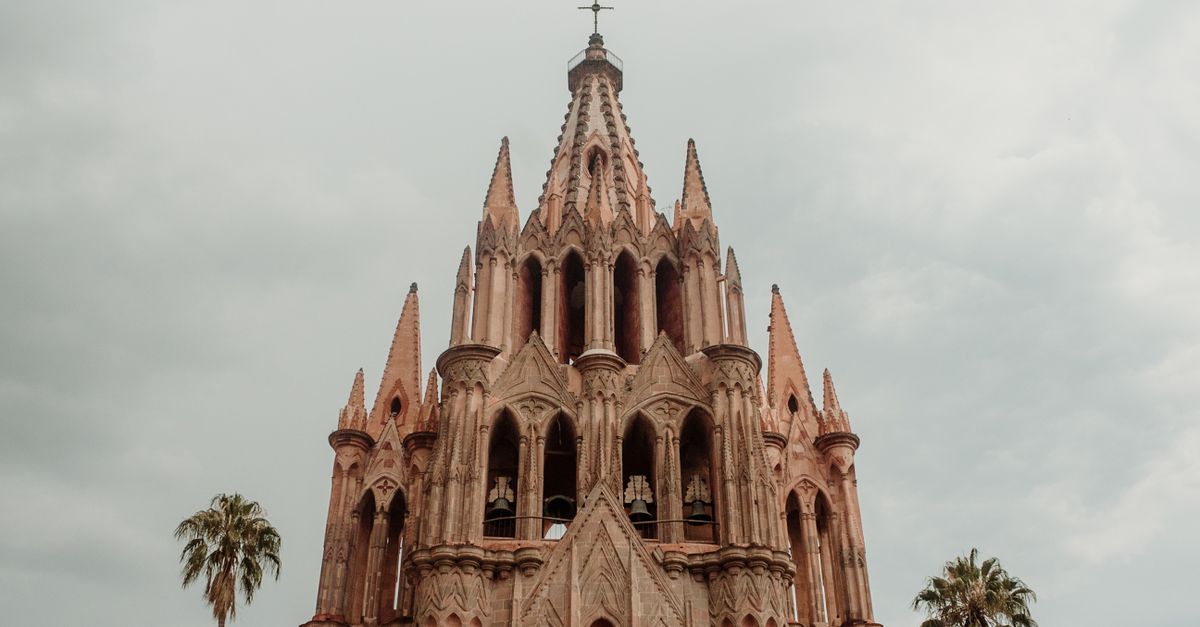
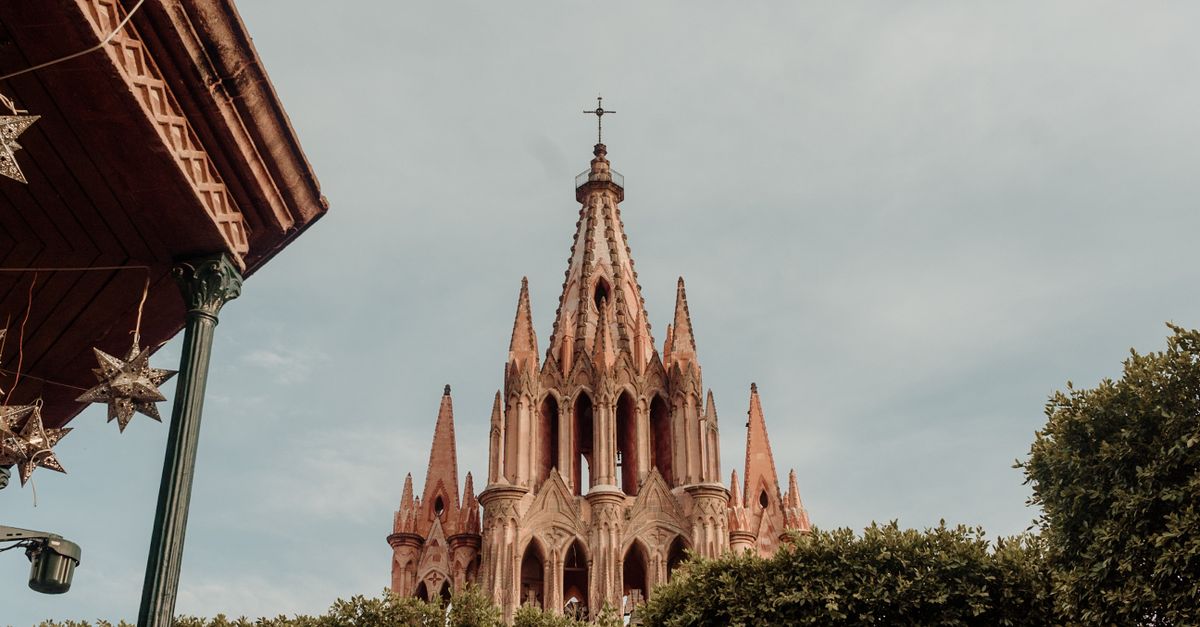
The Parroquia de San Miguel Arcángel — the neo-Gothic pink sandstone church on the Jardín — is San Miguel's most photographed image. In daylight, it's beautiful and relentlessly photographed. At midnight on weeknights, it's something else: the church lit from below, the Jardín empty except for the cats that have claimed the benches, the colonial facades glowing in the sodium light while the high desert air carries wood smoke from distant fires. Walking the centro between midnight and 2am is one of the most pleasurable things available in the city — not because of nightlife (though bars on Umarán and Hidalgo Streets are open late) but because of the architecture experienced without the social pressure of tourist-hour activity.
San Miguel's night culture is genuinely excellent: the mezcalerías on Umarán Street and the bars on Ancha de San Antonio operate until 2am, the rooftop bar at the Rosewood Hotel offers views of the lit church from above, and the late-night taco stands near the Instituto Allende serve al pastor until 3am. The city at night is smaller, more intimate, and more genuinely Mexican than at noon.
Simply go out at 11pm or midnight. The centro streets are safe at this hour — Jardín, Hidalgo, Umarán, and the surrounding blocks are all active. The late-night taco stands set up near the market and near the Jardín from 9pm; al pastor at these stands costs MXN 20–30 per taco.
Budget MXN 200–400 for a late-night outing including one or two mezcals (MXN 80–120 each at a good mezcalería) and several tacos. The Jardín itself is free at any hour; sitting on a bench at midnight with a mezcal in a plastic cup (vendor will find you) costs MXN 30–50 and is among San Miguel's finest cheap experiences.
10. The Otomí Villages of the Mountains
The Sierra Gorda mountains east of San Miguel are home to Otomí indigenous communities who maintain Hñahñu (the Otomí language) as a spoken language and traditional textile practices that are closely related to but distinct from the Zapotec and Mixtec traditions of Oaxaca. The village of San Ildefonso — accessible by a rough road northeast of San Miguel — has a weaving cooperative producing embroidered and woven textiles in the Otomí geometric style; the Grupo Cultural Otomí can arrange visits that include demonstrations and sales. The landscape between San Miguel and these mountain communities — agave fields, mesquite plains, and rocky hillsides — is one of the most dramatically beautiful in central Mexico.
The Otomí people were the original inhabitants of the Bajío region before Chichimec resistance and eventual Spanish settlement. Their current mountain communities represent a demographic survival in areas that were marginal for Spanish colonial agriculture — the survival of language and cultural practice in these communities is the result of geographic isolation and community determination rather than any protection by colonial or modern Mexican institutions.
Arrange through local cultural organizations in San Miguel — the Instituto Allende, the Biblioteca Pública (public library) on Insurgentes, or through the tourist office — for guided visits to Otomí communities (MXN 400–800 per person for a half-day guided visit). The road to the mountains requires a 4WD vehicle or a taxi willing to drive the rough terrain.
Guided visit: MXN 400–800 per person. Textile purchases from cooperatives: MXN 200–1,500 depending on size and complexity. Budget MXN 800–1,200 for the full mountain village experience including guide and textile purchase. This is one of San Miguel's most genuine connections to the Indigenous heritage that both precedes and underlies the colonial city.