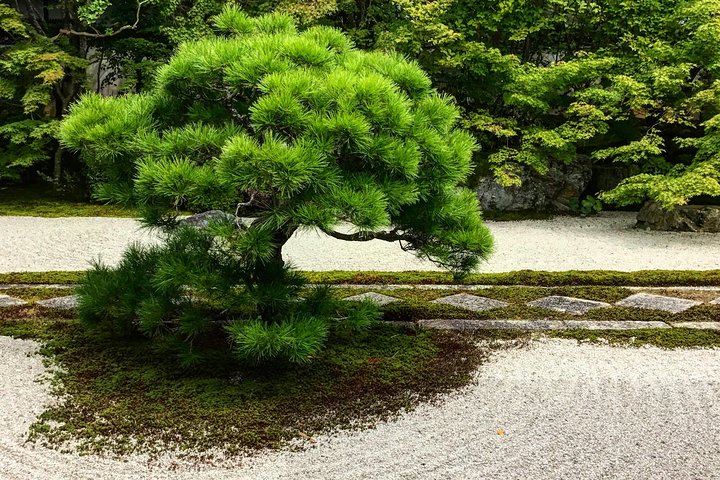
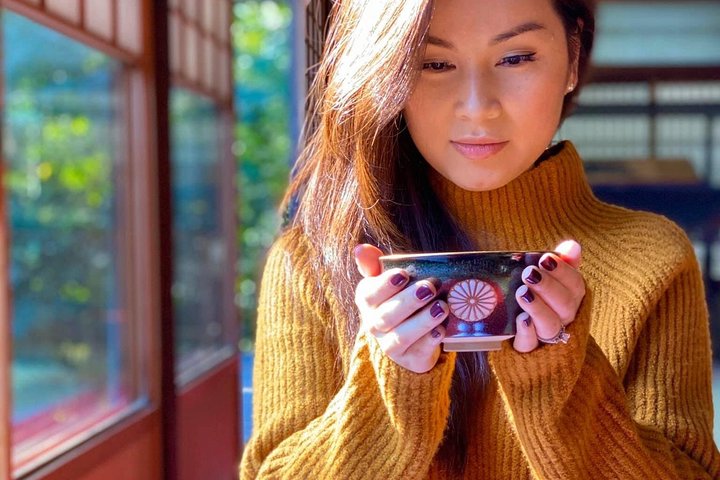
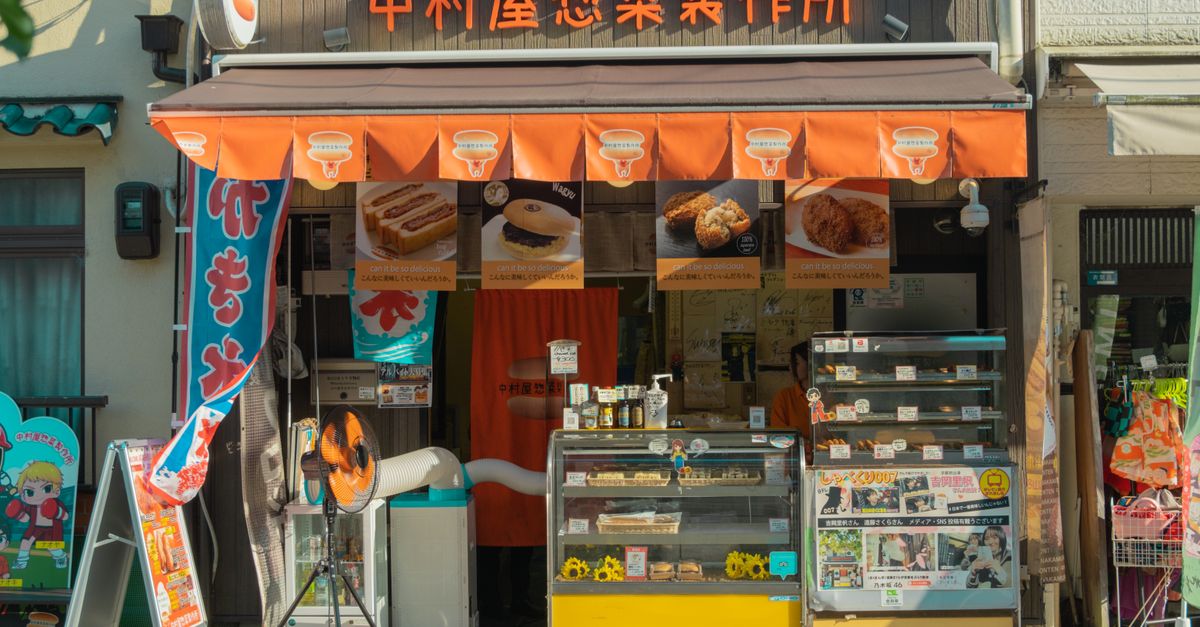
Kyoto is more manageable than its thousand temples suggest. The city is compact, safe, and built around a logical grid system that makes navigation intuitive once you understand which bus goes where. What trips up first-time visitors isn't logistics — it's expectations: the photogenic spots you've seen on Instagram have queues of fifty people by 9 AM, shoes come off inside most buildings, and tipping even a single yen at a restaurant would cause genuine confusion. Read this guide before you arrive and you'll spend your time experiencing Kyoto rather than frantically Googling its rules.
Before You Arrive
Citizens of the US, UK, Australia, Canada, New Zealand, most EU countries, and many other nations can enter Japan visa-free for up to 90 days. This covers almost all Western tourists. From 2025 onward, Japan's Visit Japan Web system requires pre-registration for quarantine-free entry processing — it's free, takes about 20 minutes online, and generates a QR code you show at immigration. Fill it in before your flight, not at the airport.

Nationals of countries that don't qualify for visa-free entry (including some South Asian and African nations) must apply for a tourist visa through their nearest Japanese consulate. Processing typically takes 5–7 business days and requires a return ticket, hotel reservations, and a bank statement. There is no visa-on-arrival option for Japan.
Currency: Japan remains substantially cash-based despite recent moves toward card acceptance. Many temples, traditional restaurants, smaller izakayas, and market stalls are still cash-only. Arrive with the equivalent of ¥20,000–¥30,000 in Japanese yen or withdraw it immediately at the airport. Japan Post ATMs and 7-Eleven ATMs accept international cards reliably (flat ¥220 fee per withdrawal). Avoid airport currency exchange counters — their rates are typically 5–8% worse than ATM rates.
Credit cards (Visa and Mastercard) are accepted at most hotels, department stores, and larger restaurants. American Express has patchy acceptance. JCB cards have excellent acceptance since it's a domestic network. Bring a card with no foreign transaction fees if possible — Charles Schwab, Revolut, and Wise all work well in Japan.
SIM cards: buy at the airport on arrival for the smoothest experience. IIJmio, Mobal, and Japan Travel SIM all sell data-only SIMs at Kansai International Airport for ¥1,500–¥3,000 for 7–15 days of unlimited data. If you want voice calls too (useful for restaurant reservations), IIJmio and Mineo offer voice-capable SIMs at the airport. Alternatively, pocket Wi-Fi devices (available at the same airport counters) are worth renting if you're traveling in a group sharing data. Download Google Maps offline for Kyoto before your flight — it works without data once cached.
Getting from the Airport
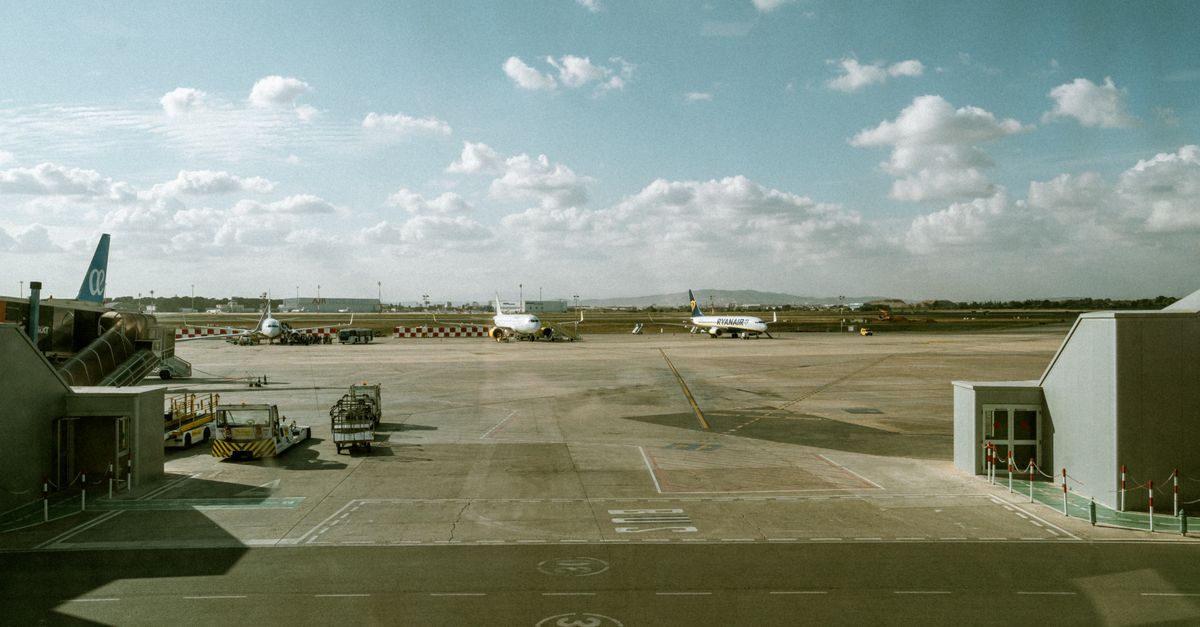
Most international flights arrive at Kansai International Airport (KIX), built on an artificial island in Osaka Bay, approximately 75 kilometers from Kyoto Station. The three main options are:
Haruka Airport Express (JR Haruka): The fastest and most direct option. Runs every 30 minutes from KIX to Kyoto Station in 75 minutes. Fare: ¥3,800 reserved (a specific seat assigned), ¥3,300 unreserved. If you're buying an ICOCA card, purchase the bundled "ICOCA & Haruka" package at the JR airport ticket office — it gives you a discounted ¥2,200 Haruka fare plus a loaded ICOCA card for ¥2,000 (¥500 deposit + ¥1,500 credit). Total: ¥4,200 for the Haruka ticket and a usable transit card — excellent value.
Airport Limousine Bus: Departs directly outside arrivals, no transfers needed. Fare: ¥2,800. Journey time: 90–120 minutes depending on traffic. Luggage goes in the hold underneath — ideal for travelers with large bags. Drops off at Kyoto Station (north and south entrances) and a few major hotels. Buy tickets at the counter inside the arrivals hall.
Budget combination route: Nankai Rapi:t express to Namba (¥1,290, 38 minutes) then Kintetsu Kyoto Line to Kyoto (¥630–¥1,150, 50 minutes). Cheapest option at around ¥2,000 total but requires one transfer with luggage.
A small number of flights arrive at Osaka Itami Airport (ITM), which serves primarily domestic routes. From Itami, the limousine bus to Kyoto takes 55 minutes and costs ¥1,600 — straightforward and luggage-friendly.
Getting Around the City
Kyoto's primary transport is the bus network, which is dense, reliable, and covers every major temple cluster. The key routes for tourists are the 100-series (Higashiyama course, Arashiyama via the scenic northern route), 101-series (Kinkaku-ji, Nishijin), and 102-series. Single bus fare: ¥230 anywhere within the city. A one-day bus pass costs ¥700 and pays for itself after three rides — buy it from the driver on your first trip of the day.

The Kyoto City Subway has two lines: Karasuma (north-south) and Tozai (east-west). Fares range from ¥220 to ¥350. The subway is faster than buses for cross-city journeys and avoids surface traffic. A combined subway and bus one-day pass costs ¥1,100 — useful for days that mix eastern and western temple districts.
JR trains handle specific longer routes that buses don't cover efficiently: the JR Sagano Line to Arashiyama (15 minutes, ¥240 from Kyoto Station) and the JR Nara Line to Fushimi Inari (2 minutes, ¥150). These require a separate fare payment or ICOCA tap.
Download two apps before arriving: Google Maps (works well in Japan, shows bus routes and real-time arrivals) and the official Kyoto City Bus app for live departure times. For IC card management, the JR West app shows your ICOCA balance. Taxis are metered, plentiful near major sights, and start at ¥680 for the first 1.4 kilometers. Ride-sharing apps like Uber operate in Kyoto but are expensive compared to taxis — use taxis.
Where to Base Yourself
Kyoto Station Area (京都駅周辺): The logical choice for first-timers prioritizing convenience. Every train line and most major bus routes originate here. The neighborhood itself has little charm — it's primarily hotels, department stores (Isetan, Avanti), and transit infrastructure — but you're never more than one bus ride from any temple cluster. Hotel options range from budget capsule hotels (¥3,000–¥5,000) to mid-range business hotels like Dormy Inn Kyoto (¥8,000–¥12,000). Ideal for first-timers who want to optimize for seeing as many sites as possible.

Higashiyama (東山): The most atmospheric base in the city. Winding stone lanes, preserved machiya (wooden townhouses), and temple gardens within walking distance in every direction. Kiyomizu-dera, Ninenzaka, Sannenzaka, Gion's Hanamikoji-dori, and the Philosopher's Path are all under 30 minutes on foot. The tradeoff: accommodation here skews toward traditional ryokan and boutique hotels, starting around ¥12,000–¥20,000 per night. For a first-time visitor who has budgeted for this, Higashiyama delivers the most immersive Kyoto experience.
Kawaramachi / Shijo (河原町・四条): Downtown Kyoto — the liveliest area after dark, with the Nishiki Market, Gion's shopping streets, and the Kamogawa River all within walking distance. Best mid-range hotel options: Mitsui Garden Hotel Kyoto Shijo (¥10,000–¥16,000), Hotel Gran Ms Kyoto (¥9,000–¥14,000). Good transport connections and a 15-minute walk to Gion. The recommended first-timer base if you want city-life energy alongside cultural immersion.
Local Culture & Etiquette
Shoes off, always. Remove your shoes before entering any temple building, traditional restaurant, or ryokan guestroom. Shoe racks or lockers are provided at every entrance. You'll see a clear delineation between the outdoor floor level and the raised indoor floor — the step up is your cue. Wear clean socks (no holes). Some onsen facilities require no footwear even in the locker room corridors.

Tipping is not just unnecessary — it can cause offense. Japanese service culture is built on the idea that excellent service is the baseline expectation, not something deserving of additional payment. Leaving money on the table after a meal may result in the server chasing you out of the restaurant to return it. Do not tip at restaurants, taxis, hotels, or any other service context.
Bow rather than handshake. A slight nod of the head when greeting someone, entering a shop, or saying thank you is the appropriate greeting. Don't attempt deep formal bows unless mirroring someone's lead — a simple nod is perfectly respectful for tourists.
Photography restrictions inside temple halls are strict. Outdoor courtyards, gardens, and approaches are generally photographable. Inside main halls — where the primary Buddhist statue or sacred object is housed — photography is almost always prohibited, often with signs in English. Respect these boundaries without exception. Some sub-temples prohibit photography entirely, including outdoors.
Eat while walking only in designated festival or market contexts. In Japan, eating street food while strolling is considered untidy. At Nishiki Market, vendors set up small eating areas or ledges specifically for standing consumption. Eating a takoyaki while walking the lanes of Higashiyama will earn politely disapproving looks from both locals and market vendors.
Rubbish bins are nearly nonexistent in public spaces. Japan removes public bins from streets to discourage littering (and historically in response to security concerns). You will carry your konbini wrapper for hours before finding a bin — usually inside a convenience store or at a vending machine cluster. This surprises every first-timer. Carry a small bag for rubbish.
Common Mistakes to Avoid
Arriving at Fushimi Inari after 9 AM on a weekend. The lower torii gates are one of Japan's most photographed spots and one of its most overcrowded by mid-morning. On a weekend in peak season (March–April, November), you'll be photographing the backs of 200 strangers. The solution is simple and non-negotiable: arrive before 7 AM. The shrine is open 24 hours. The upper mountain trails remain quieter even at midday — hike above the Yotsutsuji intersection (30 minutes from the base) to escape crowds.
Trying to cover Arashiyama and Higashiyama in the same day. Both areas are rich enough for a half-day minimum. First-timers frequently underestimate walking time and overestimate temple visit speed. Cramming both into one day means rushing through the bamboo grove and skipping sub-temples. Split them: Arashiyama on Day 1, Higashiyama on Day 2.
Booking a hotel in Fushimi or Arashiyama thinking you're "in Kyoto." Both areas are 30–45 minutes from central Kyoto by public transport. A hotel in Fushimi is convenient for the shrine but isolates you from Gion, Nishiki Market, and the Philosopher's Path. Base yourself centrally and day-trip to these areas.
Assuming Google Pay or Apple Pay works everywhere. While IC card apps (mobile Suica on iPhones with Face ID) work on transit and some vending machines, smaller restaurants and many temples are cash-only in 2025. Always carry ¥5,000–¥10,000 in cash.
Ignoring weather layering in shoulder seasons. Kyoto in November and March has wide temperature swings: 24°C at midday, 8°C after sunset. First-timers in T-shirts at Fushimi Inari at dusk are a common sight — and they're cold. Pack a packable down jacket regardless of season.
Buying a Japan Rail Pass without checking if it's worth it. For a visit to Kyoto only, or Kyoto plus Osaka, the JR Pass almost never recalculates favorably. The Kyoto–Osaka Shinkansen is ¥1,420 each way. Two trips: ¥2,840. The cheapest JR Pass is ¥50,000. You'd need 17 one-way Shinkansen trips to break even. Only buy it if you're covering Tokyo–Kyoto–Hiroshima or similar multi-city routes.
Eating dinner immediately after temples close at 5 PM. Kyoto's best small restaurants open for dinner at 6 PM and fill quickly. If you finish temple-visiting at 5 PM and walk straight to a restaurant, you'll either queue outside or find it hasn't opened yet. Use the 5–6 PM window to walk Gion, visit Nishiki Market before it closes at 6 PM, or return to your hotel before dinner.