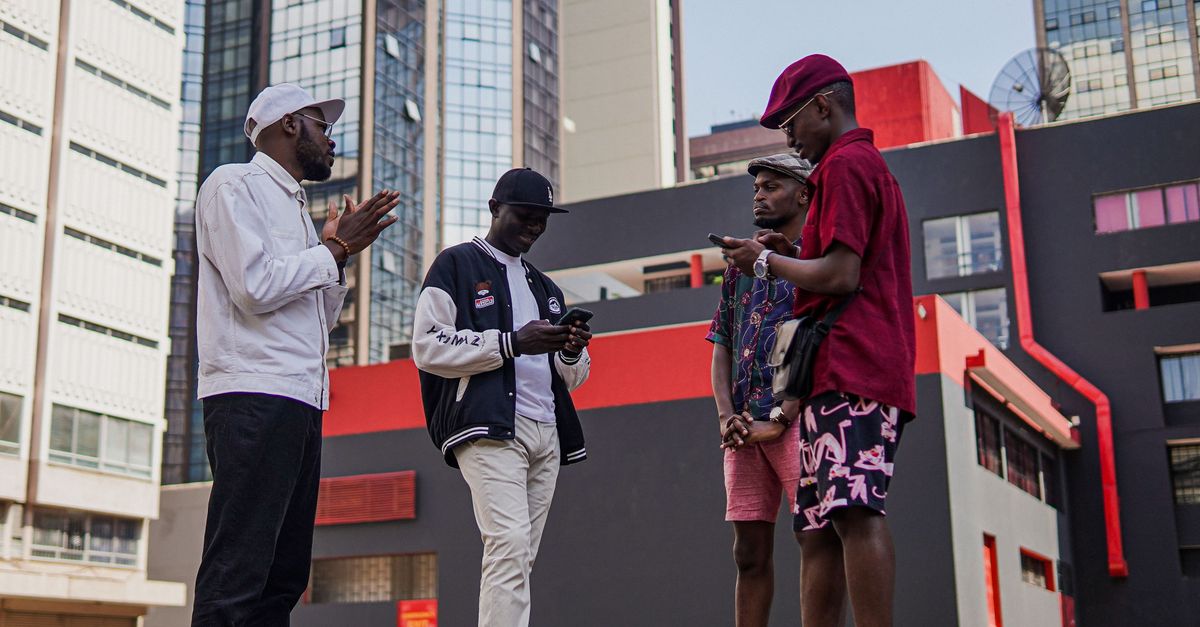
Kigali confounds expectations. Travellers arrive braced for the chaos of a typical East African capital and instead find a city of clean streets, traffic that actually obeys lanes, and a pace that's closer to a small European capital than a regional African hub. It is also a city carrying enormous historical weight. The 1994 Genocide Against the Tutsi shaped every institution, every neighbourhood, and every conversation Rwandans have about their country, and visitors are expected to engage with that history thoughtfully rather than treat it as a museum-day box-tick. This first-timer guide covers the practical decisions you'll make in your first 48 hours — visa, airport transfer, neighbourhood, currency, SIM card — and the cultural ones that will shape the rest of your trip. Kigali rewards travellers who arrive prepared, dress modestly, learn a few words of Kinyarwanda, and understand why locals call it the Land of a Thousand Hills with quiet pride. Expect to leave thinking harder than you planned to.
Before You Arrive
Most nationalities receive a 30-day visa-on-arrival at Kigali International Airport for USD 50, paid in cash (clean, post-2013 USD bills only) or by card at the immigration counter. Citizens of African Union, Commonwealth, and Francophonie member states receive a free 30-day entry. Rwanda's official e-visa portal (irembo.gov.rw) lets you apply online in advance for the same USD 50 fee — useful if you want to skip the airport queue but not strictly necessary. The East Africa Tourist Visa (USD 100, valid in Rwanda, Uganda, and Kenya for 90 days) is the smart choice if you're combining countries, especially for travellers planning gorilla trekking in Uganda alongside a Rwanda visit.

Yellow fever vaccination is required if you're arriving from a country with risk of yellow fever transmission, which includes most of East and Central Africa. Carry your yellow card. It is occasionally checked at immigration. Even if not technically required from your country of origin, the vaccine is wise given regional travel patterns. Malaria risk in Kigali itself is low (the city sits at 1,500 metres) but rises sharply in Akagera, Nyungwe, and the lower-altitude border areas — talk to a travel doctor about prophylaxis at least four weeks before departure. Typhoid, hepatitis A, and tetanus boosters are sensible.
The Rwandan Franc (RWF) is the local currency. As of 2026, USD 1 trades around RWF 1,300 to 1,400. USD is widely accepted at hotels, parks, and tour operators, but you'll need RWF for restaurants, taxis, markets, and SIM cards. Bring USD bills printed after 2013, in good condition, with no tears or marks. Older or damaged bills are routinely refused. ATMs in Kigali (Bank of Kigali, I&M, Equity, KCB) work with international Visa and Mastercard. Notify your bank before travelling. Kigali is one of the safest capitals in Africa, with low petty-crime rates and visible police presence, but standard precautions for late-night moto rides and busy markets still apply.
Getting from the Airport
Kigali International Airport (KGL) sits in Kanombe, about 12 kilometres east of the city centre. Three options get you into town. First, official airport taxis at the rank outside arrivals charge fixed rates: RWF 12,000 to 15,000 (USD 9 to 11) to most central neighbourhoods including Kimihurura, Kacyiru, and Nyamirambo, RWF 15,000 to 18,000 to outlying suburbs. Drivers carry laminated rate cards. Confirm the destination price before getting in.

Second, Yego Cabs — Rwanda's metered taxi app — works at the airport and typically quotes RWF 8,000 to 12,000 for the same trips, slightly cheaper than the rank. Download the app and add a payment method before you fly; airport WiFi covers the arrivals area.
Third, the public bus stop on the main road outside the airport perimeter (a 5-minute walk from the terminal) runs RWF 300 minibuses into central Nyabugogo, but you'll need to change buses to reach most accommodations and it's not practical with luggage after a long flight.
For first-timers, the airport taxi or Yego is the right call. Tip RWF 1,000 to 2,000 if the driver helps with bags. Most international flights land in the late evening or early morning. Confirm with your accommodation that someone will be at the gate to receive you, especially for guesthouses in Nyamirambo or Kacyiru where unmarked side streets can be hard to navigate at night.
Getting Around the City
Kigali is built on hills, and every trip across town involves descending one and climbing another. The city is more walkable than it looks on a map, but only within a single hill or neighbourhood. For crossing between hills, use motos, Yego cabs, or the public minibus network. Pavements exist in central Kigali, Kimihurura, and Kacyiru but disappear in older neighbourhoods like Nyamirambo, where you'll share the road with motos and pedestrians.

Moto-taxis (motorcycle taxis) are the workhorses. Helmets are mandatory and provided by the driver — never accept a ride without one. The Yego Moto app provides metered fares (RWF 800 to 3,000 for most trips) and removes the haggling that can otherwise add 30 to 50 percent to tourist fares. Street motos are fine for short, daylight hops if you confirm the price before mounting.
The public minibus network — branded Royal Express, KBS, and Volcano — costs a flat RWF 300 to 500 paid via the Tap and Go card (RWF 500 from any kiosk). Routes are numbered. Ask at your guesthouse for the line that connects your area to downtown. Kacyiru and Kimihurura both have direct downtown service every few minutes.
Yego Cabs handle longer crosstown trips, late-night returns, and family groups. RWF 4,000 to 7,000 covers most rides within the city. Avoid hailing unmarked taxis on the street — Yego is faster, cheaper, and traceable.
Where to Base Yourself
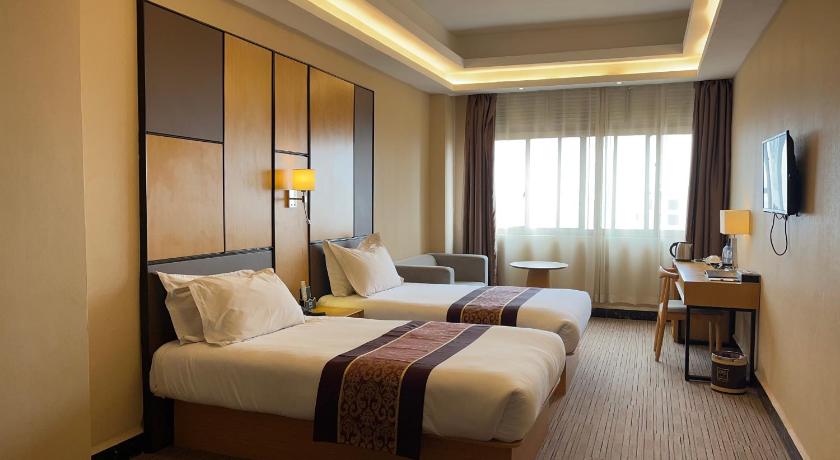
Kimihurura is the easy first-timer choice. It's central, leafy, and home to the densest cluster of restaurants, cafés, and bars in Kigali. Repub Lounge, The Hut, Heaven Restaurant, and Question Coffee all sit within a 15-minute walk. Accommodation runs from RWF 28,000 to 45,000 for guesthouse-style rooms (Step House, Iris Guesthouse) up to RWF 90,000+ for boutique options like The Retreat. Trade-off: the area is quiet but not cheap, and you're slightly removed from the markets and cultural life of working-class Kigali.

Kacyiru is the diplomatic and NGO district, just north of the centre. It's home to Discover Rwanda Youth Hostel (the city's main backpacker hub), Inema Arts Center, and a string of mid-range guesthouses at RWF 18,000 to 35,000 per night. Kacyiru is the right base if you want to balance a social hostel scene with safe walkable streets and easy moto access to everywhere else.
Nyamirambo is the oldest and most local neighbourhood — Muslim heritage, working-class Kigali, brochette grills, tailoring shops, and the genuine sound of Kigali after dark. Guesthouses here run RWF 15,000 to 25,000 for private rooms. The trade-off is fewer English-friendly cafés and a steeper learning curve for first-time visitors, but Nyamirambo is the right choice for travellers who want immersion over comfort. Nyabugogo (the bus terminal area) is convenient for early-morning departures but has little to recommend it for an overnight stay otherwise. Kiyovu and Nyarutarama are upscale residential districts with a few boutique hotels and embassy proximity but not much daily life.
Local Culture & Etiquette
Rwandan culture is reserved, formal, and built on layers of respect that aren't immediately obvious to outsiders. Greetings matter. A simple "muraho" (hello) and "amakuru?" (how are you) before launching into a question or transaction goes a long way. Handshakes are common. Keep eye contact gentle rather than intense. Modesty in dress is expected, especially outside the most cosmopolitan corners of Kimihurura and Kacyiru. Knee-length shorts and covered shoulders are appropriate for women in any non-poolside setting. Men should avoid sleeveless shirts in restaurants and on public transport.

The Genocide Against the Tutsi is the defining event of modern Rwanda, and how you engage with it shapes how locals will receive you. Visit the Kigali Genocide Memorial early in your trip rather than late — the context informs everything else you'll see. Inside, no photography, no phones, no loud conversation. Treat the gardens and burial sites as sacred. Avoid using the word "tribe" entirely; Rwandans now identify as Rwandans, full stop, and the language of ethnic categorisation is a sensitive subject best left to historians and locals to raise themselves. Don't ask people if they are Hutu or Tutsi. It is one of the rudest questions a foreigner can ask.
Rwanda's plastic bag ban is the strictest in Africa. Plastic bags are confiscated at the airport on arrival. Don't bring them in your luggage, don't accept them at markets, and pack a reusable cloth bag from home. The country also enforces a national community service day (Umuganda) on the last Saturday of each month from 8am to 11am — most shops close, public transport is limited, and tourists are welcome to join their neighbourhood's clean-up if invited. Tipping is appreciated but not expected: 5 to 10 percent on restaurant bills and RWF 1,000 to 2,000 for moto drivers who go above and beyond.
Common Mistakes to Avoid
1. Bringing plastic bags through customs. Rwanda's plastic bag ban is enforced at the airport. Officers open zip-loc bags, plastic shopping bags, and even some product packaging. Repack toiletries into reusable pouches before flying and you'll save the awkwardness of having half your luggage redistributed at customs.
2. Treating the Genocide Memorial as a casual sightseeing stop. Allow at least three hours, dress conservatively, leave your phone in your bag, and don't schedule lunch with friends immediately after. The memorial is a working place of remembrance with active burial gardens. Rushing through it or treating it as a photo opportunity is both disrespectful and obvious to staff and other visitors.
3. Asking Rwandans whether they are Hutu or Tutsi. This question is genuinely offensive and reveals a fundamental misreading of post-genocide Rwanda. Identity politics around ethnicity were a key driver of the violence; current law and culture reject ethnic categorisation. If you want to understand the history, read Philip Gourevitch or Jean Hatzfeld before arriving rather than asking locals to perform their trauma for you.
4. Trying to bargain hard at fixed-price establishments. Supermarkets, restaurants, gorilla permit offices, and most café-bars have set prices. Bargaining is appropriate only at craft markets (Caplaki) and Kimironko Market for non-food items. Bargaining at a melange buffet or a Yego cab marks you immediately as a problem traveller.
5. Underestimating gorilla permit costs. Volcanoes National Park gorilla trekking permits cost USD 1,500 per person and must be booked through the Rwanda Development Board well in advance, especially in dry season (June-September, December-February). Travellers who arrive expecting last-minute permits frequently leave disappointed. If gorillas are essential, book the permit before booking flights.
6. Skipping the SIM card and relying on hotel WiFi. Yego cabs, mobile money payments, Google Translate, and offline maps all need a working data connection. The MTN or Airtel SIM at the airport is RWF 1,500 to 3,000 and removes 90 percent of the small frictions of a Kigali week. Travellers who skip it end up walking back to their guesthouse to look up moto routes.
7. Leaving Kigali without leaving Kigali. The capital is the entry point, not the destination. Rwanda's biggest experiences sit outside the city — Volcanoes for gorillas and golden monkeys, Akagera for the Big Five safari, Lake Kivu for slow days, Nyungwe for chimpanzees and the canopy walk. Block out at least four days for one or two of these. A week in Kigali alone is a missed opportunity.