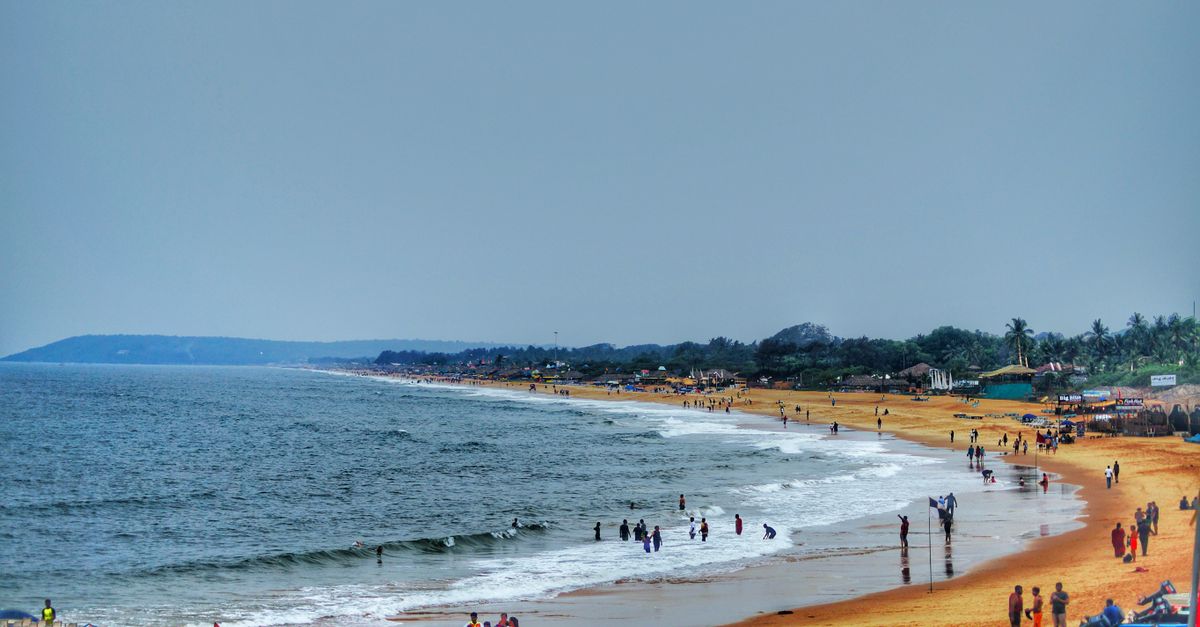
Goa First-Timer Guide: Airports, Scooters, Monsoons & What to Know
Goa feels different from the rest of India. The pace is slower, the infrastructure is better, and the cultural blend of Indian and Portuguese heritage creates a unique atmosphere that's more relaxed than almost anywhere else in the country. But first-time visitors still face a learning curve on everything from airport logistics to scooter safety.
This guide covers the practical essentials so you can focus on the beaches.
Getting to Goa: Two Airports
Goa has two airports, and which one you fly into significantly affects your first-day logistics.
Dabolim Airport (GOI) is the older, established airport located in central Goa, roughly 30 km from North Goa beaches and 25 km from Panaji. Most domestic flights and some international charters land here. Pre-paid taxi counters in the arrivals hall offer fixed-rate rides: ₹800-1,100 to Calangute/Baga, ₹600-800 to Panaji, ₹1,800-2,200 to Palolem.
Mopa Airport (GOX) is the newer international airport in North Goa, opened in 2023. It's closer to North Goa beaches (40 minutes to Calangute) but further from South Goa (2+ hours to Palolem). More airlines are shifting operations here. Pre-paid taxis run ₹900-1,200 to North Goa beaches.
| From Airport | To North Goa | To South Goa |
|---|---|---|
| Dabolim (GOI) | ₹800-1,100 (45 min) | ₹1,800-2,200 (90 min) |
| Mopa (GOX) | ₹900-1,200 (40 min) | ₹2,500-3,000 (2.5 hrs) |

Scooter Rental: The Essential Guide
A scooter is the single most important thing you'll arrange in Goa. Public transport is unreliable, taxis are expensive, and ride-hailing apps barely function. A Honda Activa costs ₹300/day or ₹4,000-5,000/month and gives you complete independence.
Rental process: find a rental shop near your accommodation (every tourist area has several), check the scooter's brakes, lights, horn, and tire condition, negotiate the daily rate, and leave a photocopy of your passport or a small deposit (₹500-1,000). Never leave your original passport.
Essential scooter safety rules for Goa:
Always wear a helmet — police checkpoints are frequent, and fines are ₹1,000 without one. Drive on the left side of the road. Use the horn generously — Indian traffic relies on audible signals more than visual checks. Avoid riding at night on unlit roads, especially after drinking. Cows, dogs, and potholes appear without warning.
Fuel stations are plentiful but close by 8-9 PM. Fill up before sunset if you're planning evening rides. Always carry your driving license — Indian police can impound your scooter and fine you ₹5,000 for riding without one.
North Goa vs South Goa
The character of these two regions is dramatically different, and choosing the wrong one for your travel style can make or break the trip.
North Goa (Calangute, Baga, Anjuna, Vagator, Arambol) is where the party scene lives. Beaches are busier, nightlife is vibrant, restaurants and bars are plentiful, and infrastructure is well-developed. If you want beach clubs, flea markets, social hostels, and easy access to everything, stay north.
South Goa (Palolem, Agonda, Cola, Patnem) is quieter, less developed, and more naturally beautiful. Beaches are cleaner and emptier. The pace is genuinely slow. If you want hammock-on-the-beach relaxation, yoga retreats, and escape from crowds, head south. The trade-off: fewer restaurants, limited nightlife, and longer travel times to Old Goa and Panaji.

For first-timers with limited time: base yourself in North Goa for better access to both regions. If you have a week or more, spend the first half north and the second half south to experience both.
Monsoon Season: June Through September
Goa's monsoon is dramatic. Heavy rainfall arrives in early June and continues through September, with July and August being the wettest months. Average monthly rainfall in July exceeds 900mm — that's more rain in one month than London gets in a year.
During monsoon: most beach shacks dismantle, water sports stop, and some coastal roads flood temporarily. The upside is that Goa transforms into a lush green paradise, waterfalls like Dudhsagar reach their full power, accommodation drops 50-70% in price, and the entire state empties of tourists.
Monsoon Goa suits travelers who enjoy dramatic weather, don't need beach sunbathing, and want authentic local experiences without crowds. The rain comes in heavy bursts (often afternoon), with clear mornings. Carry a waterproof jacket, waterproof phone pouch, and be prepared for muddy roads.
Money & Connectivity
Cash is essential in Goa. Beach shacks, local restaurants, scooter rentals, and market vendors are almost entirely cash-only. Carry ₹2,000-3,000 in small denominations (₹100 and ₹500 notes). ATMs from SBI, HDFC, and ICICI are found in every major town.
Indian SIM cards require registration with passport and biometric verification, which can take 24-48 hours to activate. Buy a Jio or Airtel SIM at the airport or at an authorized store in Panaji. Prepaid plans with 2GB daily data cost ₹299-399 for 28 days.
WiFi is available at most hotels and cafes but speeds are inconsistent. Don't rely on WiFi for maps or ride-hailing — a local SIM with mobile data is essential for navigation.
Health & Safety
Tap water is not drinkable. Buy 1-liter bottles (₹20) or use your accommodation's filtered water. Ice at restaurants is usually made from filtered water, but confirm at roadside stalls.
Mosquitoes carry dengue fever in Goa, particularly during and after monsoon season. Use repellent with DEET, wear long sleeves at dusk, and sleep under a net if your room doesn't have good screens. Dengue symptoms (high fever, joint pain, rash) appear 4-7 days after a bite — seek medical attention immediately.

Pharmacies are well-stocked and most medications are available without prescription at Indian prices (significantly cheaper than Western countries). Apollo Pharmacy and MedPlus are the main chains with stores across Goa.
Cultural Notes
Goa is more liberal than most of India, but it's still India. Topless sunbathing is illegal despite what some older guidebooks suggest. Public nudity can result in arrest. Swimwear is fine on the beach but cover up when walking through villages or visiting churches.
Drug possession carries severe penalties — minimum 10 years imprisonment for commercial quantities. Police raids on beach parties and hostels happen regularly during peak season. Goa's reputation as a drug-friendly destination is outdated and dangerous to rely on.
Common Mistakes to Avoid
Goa is forgiving of most errors, but a handful of rookie mistakes consistently derail first trips — sometimes expensively. Learning from others' experience means you can spend your energy on the beaches rather than untangling problems that were entirely avoidable.
The most expensive mistake is booking accommodation without checking its location relative to the beach you actually want. Goa is larger than most people expect — the coastline stretches nearly 100 km, and "Goa accommodation" listings on booking platforms include properties 15-20 km inland, 40 km from the beaches you've seen in photos. Before confirming any booking, check the address on Google Maps against your target beach. Properties marketed as "near Calangute" can be anywhere within a 10 km radius of the town centre. A property 5 km from the beach sounds manageable until you're doing it twice daily in 35°C heat on a scooter.
Bargaining with taxi drivers without confirming the price before getting in creates the single most common tourist dispute in Goa. Always agree on a fixed fare before entering any vehicle that is not metered or operating through Goa Miles (the government ride-hailing app). Say: "How much fixed price to [destination]?" Get a verbal confirmation, repeat it back, and confirm once more before sitting down. Meter-based taxis exist but are rare — most Goa taxis operate on negotiated fixed fares.
Underestimating the heat is a consistent problem for visitors arriving in April, May, or October. Midday temperatures reach 36-40°C with high humidity, and physical activity between 11 AM and 3 PM is genuinely dangerous for people unacclimatised to tropical conditions. Plan beach time for early morning (7-10 AM) and late afternoon (4-6 PM). Use the middle of the day for lunch, air-conditioned rest, or visiting interior churches and markets where shade is available.
Visiting Old Goa only for the Basilica of Bom Jesus and skipping the surrounding complex is a missed opportunity. The Church of St Francis of Assisi directly opposite the Basilica has better interior frescoes and a smaller, more intimate scale. The Se Cathedral — the largest church in Asia when it was completed in 1619 — takes 20 minutes to walk through properly and has a working chapel of the Blessed Sacrament with extraordinary 17th-century tile panels. All three are within 200 metres of each other. Allow 2.5-3 hours for the full complex rather than the 45 minutes most visitors spend on a quick Basilica visit before moving on.
Plan your 3-day Goa itinerary See the full Goa budget breakdown Discover Goa's hidden gems