Barcelona — First Timer's Guide
First Timer's Guide

First Time in Barcelona? Everything You Need to Know

Barcelona is relaxed, walkable, and forgiving to first-time visitors — but a few things catch peo...

🌎 Barcelona, ES 📖 9 min read 💰 Mid-range budget Updated Jun 2026

Barcelona First-Timer Guide: Everything You Need to Know

Barcelona is relaxed, walkable, and forgiving to first-time visitors — but a few things catch people off guard. Pickpockets are more aggressive than anywhere else in Western Europe, meal times run two hours later than you're used to, and the local language isn't exactly what you learned in Spanish class. This guide covers the practical essentials so you can navigate the city with confidence from day one.

Barcelona cityscape with Mediterranean Sea in the background
Barcelona — where Gothic architecture meets Mediterranean beaches

Getting from El Prat Airport to the City

Barcelona's El Prat Airport (BCN) sits 15 km southwest of the city centre. The Aerobús is the best overall option for most visitors: €7.75 single (€13.65 return), departing every 5 minutes from both Terminal 1 and Terminal 2, arriving at Plaça Catalunya (the city's central hub) in 35 minutes. You can buy tickets at the stop, from the driver, or online. It runs from 5am to midnight with extended summer hours.

The metro (L9 Sud) connects the airport to the city for €5.50 — note that the special airport supplement means your regular T-Casual card won't work on this stretch. The journey to central stations like Passeig de Gràcia takes about 50 minutes with a transfer. Taxis charge a flat airport rate of €39 to anywhere in central Barcelona (Zones 1-3), clearly posted in the cab. Uber operates in Barcelona but availability is limited; most ride-hail trips are served by Cabify or standard taxis. The RENFE train (R2 Nord) costs €4.60 and is the cheapest option, but only departs from Terminal 2 — if you arrive at T1, you'll need the free inter-terminal shuttle bus first, adding 15 minutes.

Pickpockets: Take This Seriously

Barcelona has the worst pickpocket problem in Western Europe. This isn't scaremongering — it's a well-documented reality that police, tourism authorities, and locals all acknowledge. La Rambla, the metro (especially Lines 3 and 4), Sagrada Familia queues, and any crowded tourist site are the primary hotspots. Thieves work in coordinated groups: one person creates a distraction while others lift wallets, phones, or unzipped bags. It's professional, fast, and non-violent.

Prevention is straightforward. Use a crossbody bag worn across your front, zipped and held against your body in crowded areas. Keep your phone in a front pocket — never in a back pocket or an open bag. On the metro, clutch your bag against your chest and be especially alert when doors open and close (the most common moment for grab-and-run thefts). At restaurants and cafés, never hang bags on the back of chairs or leave phones on tables. At beaches, never leave valuables unattended — even for a quick swim. A money belt is overkill, but a zipped front pocket is essential.

Common Scams: Watch for the "petition signer" who grabs your wrist while an accomplice picks your pocket. The "helpful" stranger pointing at a stain on your jacket (which they put there). The three-cup shuffle game near tourist sites. Clipboard-wielding "charity collectors." If a stranger approaches you on La Rambla with a prop, a question, or an offer — keep walking and keep your bag close.

Siesta Hours & Daily Rhythm

Barcelona runs on a Mediterranean schedule that bewilders visitors from Northern Europe and North America. Lunch is served 1:30-3:30pm — this is the main meal of the day, and most restaurants offer their best value menú del día during this window. Dinner typically starts at 9pm at the earliest, with most locals sitting down at 9:30-10pm. Restaurants that open their dinner service at 7pm are explicitly catering to tourists.

Many small shops, non-chain stores, and neighbourhood businesses close for a siesta break from approximately 2-5pm, especially in residential neighbourhoods and away from tourist zones. Supermarkets, department stores, and businesses in tourist areas generally stay open all day. Use the afternoon siesta hours for museum visits, beach time, or a long lunch. The city comes alive again around 5-6pm for the paseo (evening stroll), and nightlife doesn't seriously begin until midnight or later.

Catalan vs Spanish

Barcelona is the capital of Catalonia, a region with its own language, culture, history, and strong sense of identity. Street signs, metro announcements, and official signage are in Catalan first, then Spanish. The two languages are related but distinct — Catalan is not a dialect of Spanish any more than Portuguese is. This is a sensitive cultural point; never describe Catalan as a dialect or a version of Spanish.

Everyone in Barcelona speaks Spanish (Castellano) fluently, and most young people speak functional English. Using a few Catalan words will earn genuine warmth: "bon dia" (good morning), "bona tarda" (good afternoon), "si us plau" (please), "gràcies" (thank you), "adéu" (goodbye). In restaurants and shops, both Spanish and Catalan are perfectly fine. English menus are available at most tourist-oriented restaurants, though venturing to places without English menus usually means better food at lower prices.

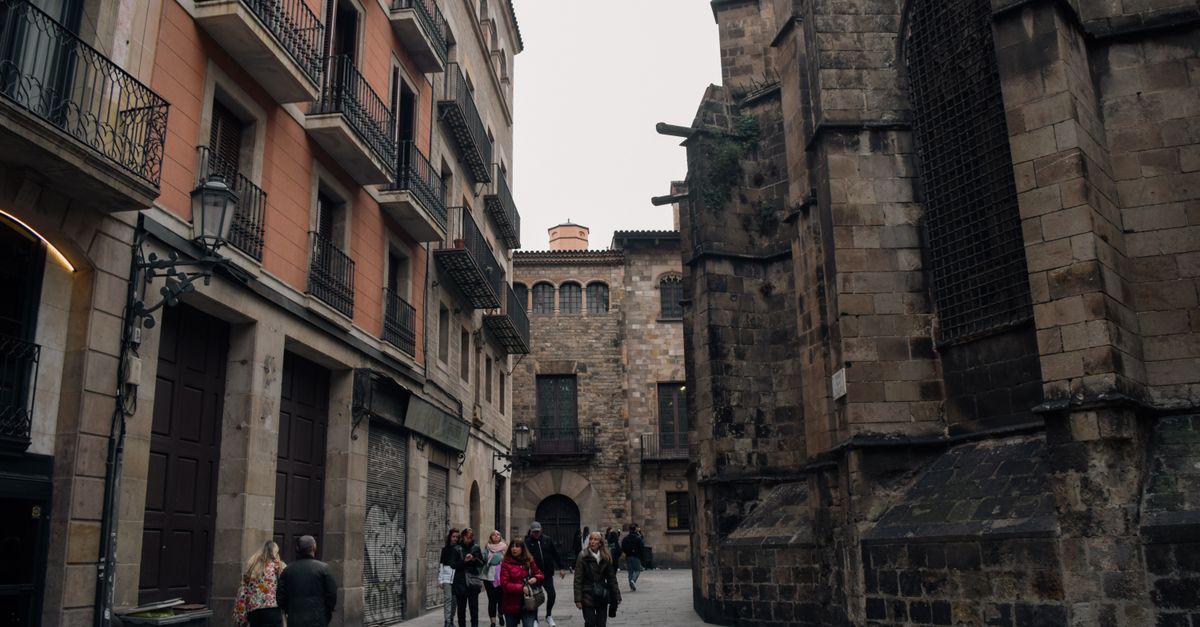
Narrow street in Barcelona Gothic Quarter with historic stone archway
The Gothic Quarter's medieval streets — endlessly explorable on foot

Weather & What to Pack

Summer (June-August): Hot and frequently humid, averaging 28-33°C with occasional spikes above 35°C. Pack sunscreen (SPF 50), a wide-brimmed hat, and light, breathable clothing. Beach weather extends from May through early October, with sea temperatures peaking at 25°C in August.

Winter (December-February): Mild compared to most of Europe, ranging 8-15°C. A light jacket or sweater is usually sufficient; heavy winter coats are unnecessary. Rain is infrequent but possible. Spring (March-May) and autumn (September-November) are ideal: comfortable temperatures of 18-25°C, fewer crowds, lower accommodation prices, and the city at its most liveable. Pack comfortable walking shoes regardless of season — the Gothic Quarter's uneven cobblestones punish flimsy footwear. Bring a swimsuit year-round; locals swim from April through November.

Tipping & Payment

Tipping is not mandatory in Spain and there is no cultural expectation of American-style percentages. Service charges are already included in all menu prices by law. That said, leaving small tips is appreciated: rounding up a bill, leaving €1-2 after a good restaurant meal, or dropping loose change at a café counter. Nobody expects 15-20% and nobody will chase you out the door if you pay the exact bill amount.

Card payment is accepted at most restaurants, bars, and shops, especially in tourist areas. However, carry €20-30 in cash for traditional bodegas, small bakeries, market stalls, and neighbourhood bars — some are cash-only by choice or necessity. Visa and Mastercard are universally accepted; American Express is sometimes declined at smaller establishments. Contactless payment is widespread.

First Day Orientation: Walk from Plaça Catalunya south down La Rambla to the Columbus monument and the waterfront (15 minutes). Turn left into the Gothic Quarter, find the Barcelona Cathedral, then wander east into El Born for your first tapas lunch. This one-hour walk covers the medieval heart of the city and gives you a strong feel for Barcelona's rhythm and layout.
Mosaic art at Park Güell with Barcelona skyline behind
Gaudí's Park Güell — book timed entry tickets online at least a week ahead

Essential Apps & Resources

Barcelona is a city where the right apps reduce friction dramatically. Download these before landing — airport Wi-Fi works, but having everything ready offline means you can navigate from the moment you step off the plane.

Transport: The TMB app (Transports Metropolitans de Barcelona) is the official metro and bus app. It shows real-time arrivals, route planning, and fare information. Download the offline map for the entire metro network. The T-Casual card (€11.35 for 10 trips within Zone 1, covering virtually everything tourists visit) is available from metro station vending machines and is the cheapest way to use public transport. Google Maps works well for walking directions in Barcelona; Citymapper is superior for multi-modal trips combining metro, bus, and walking. Cabify is the dominant ride-hailing app alongside Uber — both operate legally and reliably, with Cabify often having shorter wait times in residential areas.

Booking tickets: Barcelona's major attractions require advance booking and the apps make this straightforward. The Sagrada Família website (sagradafamilia.org) sells timed-entry tickets (€26 tower access, €20 basic entry) up to two months ahead — book the moment your dates are confirmed. Casa Batlló (€35 standard, €45 with AR experience) and Casa Milà / La Pedrera (€25) sell through their own websites and save considerable time queuing. The GetYourGuide app aggregates skip-the-line tickets for most major sites and is particularly useful for spontaneous booking when you're already at the door.

Eating and drinking: TheFork (called ElTenedor in Spanish) is how most Barcelona restaurants accept advance reservations and often offers discounts of 30–50% at participating restaurants during off-peak hours. It is free, well-populated, and easier than calling ahead. Google Maps reviews remain reliable for filtering tourist traps from genuine neighbourhood restaurants — filter by "locals" reviews and look for places with more than 200 reviews averaging 4.3+.

Language: Google Translate with offline Spanish and Catalan packs downloaded handles menus, street signs, and basic conversations. The camera translation function is invaluable for menus that haven't been translated — point the camera at Catalan text and it renders an instant translation. Most restaurant staff under 40 speak functional English, but attempting even a few Spanish or Catalan words is genuinely appreciated and often improves service.

Emergency and practicalities: Save 112 (EU emergency number) in your phone — it works for police, ambulance, and fire. The Mossos d'Esquadra (Catalan regional police) handle tourist crime reports at their headquarters on Via Laietana; many have English-speaking officers. If your passport is stolen, report it immediately at Comissaria de la Policia Nacional and contact your country's consulate. Save your hotel's address in both the app and as a screenshot — having it offline means you can show it to taxi drivers without needing internet.

💡 The free Barcelona City Tourist Card app (Hola BCN) is worth downloading for its curated neighbourhood walking routes — the El Born, Gràcia, and Poblenou circuits are excellent and cover streets that don't appear on generic tourist maps. Each route is 60–90 minutes and includes QR codes for historical context at key points.

Start Planning Your Trip

Find hotels in Barcelona | Search flights to Barcelona

JC
JustCheckin Editorial Team
Researched, written, and verified by travel experts. Last updated Jun 08, 2026.
COMPLETE BARCELONA TRAVEL GUIDE

Everything you need for Barcelona

🗺️
3-Day Itinerary
🍜
Food Guide
💎
Hidden Gems
💰
Budget Guide
✈️
First Timer's Guide
You are here
🏨
Hotels

Daily Budget — Barcelona

Typical traveller costs · All figures in USD

🎒
$80
Budget/day
🏨
$180
Mid-range/day
$450
Luxury/day

💱 Euro (EUR) - 1 EUR is approximately 1.08 USD

Culture & Etiquette

👗
Dress Code
Barcelona is generally casual, but for churches like the Sagrada Familia or Barcelona Cathedral, shoulders and knees should be covered. Avoid overly revealing clothing in these places. For evenings, smart casual is common for restaurants and bars.
🤝
Local Customs
Greetings involve a handshake or two kisses on the cheek (starting with the right cheek) between friends and acquaintances. Punctuality is appreciated but not as rigid as in some Northern European countries. 'Siesta' is less common in the city center, but some smaller shops might close mid-afternoon. Tipping is not obligatory but appreciated for good service (rounding up the bill or leaving a few euros).
⚠️
Watch Out For
Be wary of pickpockets, especially in crowded tourist areas like Las Ramblas, the Gothic Quarter, and on public transport (metro, buses). Keep valuables secure and out of sight. Watch out for 'distraction' scams where someone might spill something on you or ask for directions while an accomplice attempts to steal your belongings. Be cautious of overly friendly strangers offering unsolicited help or tours.
Dos & Don'ts
Do: Learn a few basic Catalan or Spanish phrases ('Hola', 'Gràcies'/'Gracias', 'Si us plau'/'Por favor'). Be patient and polite. Enjoy the local pace of life. Don't: Be loud or disruptive in public spaces. Assume everyone speaks English. Litter or disrespect historical sites.
👩
Solo Female Safety
Barcelona is generally safe for solo female travelers. However, exercise the same precautions as in any major city. Be aware of your surroundings, especially at night. Avoid walking alone in poorly lit or deserted areas. Keep your phone charged and share your itinerary with someone. Trust your instincts; if a situation feels uncomfortable, remove yourself from it.
🏳️‍🌈
LGBTQ+ Notes
Barcelona is very LGBTQ+ friendly and considered one of Europe's most welcoming cities. The city has a vibrant LGBTQ+ scene, particularly in the Eixample district, with numerous bars, clubs, and events. Same-sex marriage is legal, and discrimination based on sexual orientation or gender identity is prohibited.
📷
Photography
Generally, you can photograph most public spaces and landmarks. However, avoid photographing people without their explicit consent, especially children. Inside churches, photography may be restricted or prohibited, particularly during services. Be mindful of private property and security cameras.

Getting Around Barcelona

✈️
Airport Transfer
The Aerobus is the fastest and most convenient way from Barcelona El Prat Airport (BCN) to the city center, costing around €5.90 for a single ticket and taking about 35 minutes.
🚇
Public Transport
Barcelona boasts an excellent public transport system, including the metro, buses, and trams, all integrated under the T-casual card for cost-effective travel.
📱
Taxi & Ride Apps
Cabify and Free Now are the most popular ride-hailing apps in Barcelona; they offer competitive pricing and reliable service compared to hailing taxis on the street.
🛵
Rental Tips
Renting a scooter can be convenient for short distances, but be aware of traffic and parking regulations; car rental is generally not recommended for navigating the city center due to congestion and limited parking.
🗺️
Getting Around
Purchase a T-casual travel card for easy access to metro and bus lines; download an offline map of Barcelona for efficient navigation.

Frequently Asked Questions

While tap water in Barcelona is technically safe to drink according to EU standards, many residents and tourists prefer bottled water due to its taste, which can be quite chlorinated. You can buy bottled water cheaply at supermarkets. If you're concerned about taste, consider using a water filter or asking for filtered water at restaurants.
Barcelona uses Type F electrical outlets, also known as Schuko. These have two round pins. The standard voltage in Spain is 230V with a frequency of 50Hz. Most modern electronics (laptops, phone chargers) are dual-voltage, but always check the label on your devices. You'll likely need an adapter for your plugs.
For affordable data and calls, consider purchasing a local SIM card from providers like Orange, Vodafone, or Movistar. You can buy them at their stores or sometimes at convenience stores and airports. Many tourists also opt for eSIMs if their phone supports it, which can be activated online before or upon arrival. Check coverage and data plans that suit your needs.
Catalans, and Barcelonians in particular, value politeness. A 'bon dia' (good morning) or 'hola' when entering a shop or restaurant is appreciated. Punctuality is generally expected for appointments. When dining, it's common to eat later than in many other countries; lunch is typically between 2-4 PM and dinner from 9 PM onwards. Avoid loud conversations in public transport and be mindful of personal space.
The most common issue for tourists is pickpocketing, especially in crowded areas like Las Ramblas, the Gothic Quarter, and on public transport. Keep your belongings secure, wear bags across your body, and be aware of your surroundings. Avoid displaying expensive jewelry or electronics openly. Be cautious of common scams, such as distraction techniques used by thieves.
Bargaining is generally not expected in most shops, restaurants, or cafes in Barcelona. Prices are usually fixed. However, in some smaller, independent souvenir shops or at flea markets (like Els Encants Vells), you might find a little room for negotiation, but don't expect significant discounts. It's best to assume prices are firm unless the seller indicates otherwise.
Tipping is not obligatory in Spain, but it is appreciated for good service. For meals in restaurants, leaving a few extra euros or rounding up the bill is common if you're satisfied. For taxis, rounding up the fare is typical. In bars, you might leave small change. Service charges are often included in the bill, so there's no expectation of a large tip.
Meal times in Barcelona are later than in many other countries. Lunch is typically served between 2:00 PM and 4:00 PM, and dinner is usually from 9:00 PM onwards. Many restaurants close between lunch and dinner service. If you arrive for dinner before 8:00 PM, you might find the kitchen not yet open or the restaurant quite empty. It's advisable to plan your meals accordingly, especially if you prefer a quieter dining experience.
On public transport (metro, buses), it's polite to offer your seat to the elderly, pregnant women, or people with disabilities. Avoid blocking the doors and keep your voice down. When boarding, let passengers disembark first. Keep your bags off the seats if the vehicle is crowded. Using headphones for music or calls is also recommended.
If your passport is lost or stolen, immediately report it to the local police (Mossos d'Esquadra) to get a report, which you'll need for your embassy. Contact your country's embassy or consulate in Spain as soon as possible to arrange for emergency travel documents. If your wallet is stolen, also report it to the police and contact your bank to cancel all credit and debit cards.
✨ Jiai — Travel AI Open Full →
Hi! I'm **Jiai**. Ask me about hotels, flights, activities or budgets for any destination.
✈️

You're on a roll!

Enter your email for unlimited Jiai access + personalised travel deals.

No spam. Unsubscribe anytime.