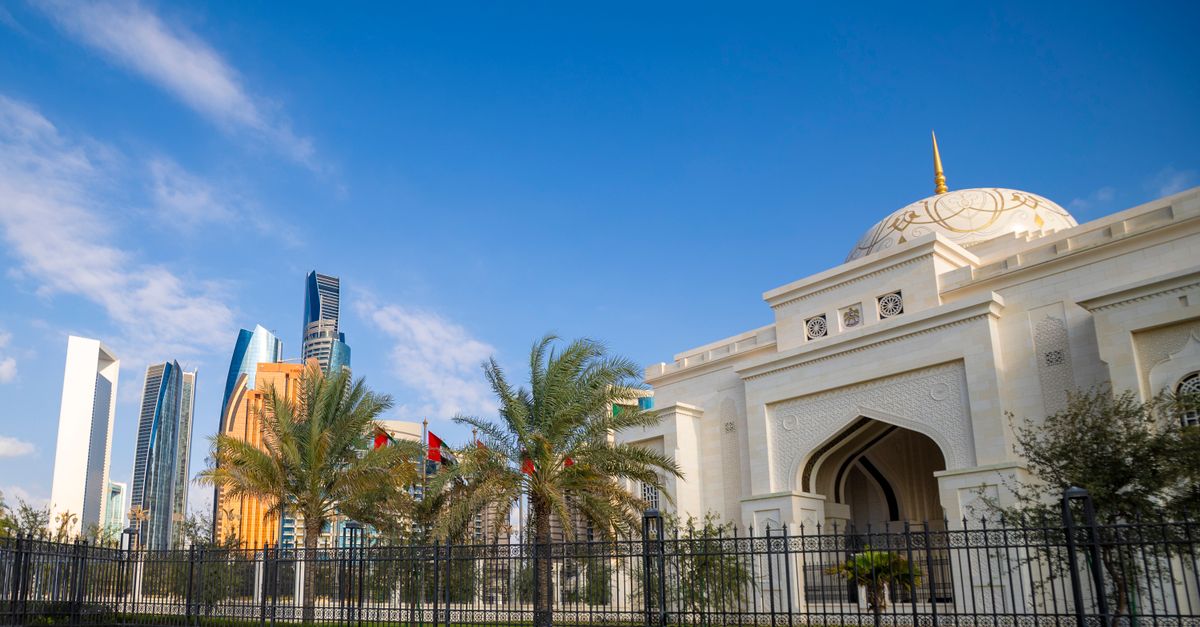
Bahrain is the most accessible introduction to the Gulf for first-time visitors — small enough to grasp in a few days, liberal enough to feel comfortable for travelers used to Western norms, conservative enough to give you a genuine sense of Arabian culture, and cheap enough relative to its glittering neighbors that mistakes don't cost a fortune. The country is a 33-island archipelago centered on the main island of Bahrain, where the capital Manama and the historic city of Muharraq sit a causeway apart. First-time visitors often arrive expecting a smaller version of Dubai and discover instead a place with deeper history, lower prices, more relaxed social rhythms, and a genuinely walkable old quarter. This guide covers everything a first-timer needs to know — from the visa process and currency shock of the world's strongest dinar to the etiquette around prayer times and the practical realities of the Bahraini summer.
Before You Arrive
Bahrain operates one of the most efficient electronic visa systems in the Gulf. The eVisa portal at evisa.gov.bh issues single-entry tourist visas for BHD 9 and multi-entry, two-week visas for BHD 29. Citizens of around eighty countries — including the UK, US, EU member states, Australia, Canada, and most Asian and Latin American nations — qualify. Apply two to seven days before travel; approvals typically come within 48 hours but can take up to 72 during peak periods. Visa-on-arrival is also available at Bahrain International Airport and the King Fahd Causeway for the same nationalities, but the queues can be long and the pricing slightly higher, so the eVisa is genuinely the better path. GCC citizens enter freely, and Indian passport holders with valid US, UK, EU, or Schengen visas can also use the eVoA service at reduced cost.

Currency strength is the first surprise. The Bahraini Dinar (BHD) is one of the world's most valuable currencies — roughly USD 2.65 to one dinar. This means the small numbers on menus and price tags are deceptive. A 2 BHD coffee is over five US dollars. A 30 BHD hotel night is nearly eighty. First-time visitors often underestimate spending dramatically because the dinar amounts look small. Mentally double-then-add to convert quickly: BHD 10 is roughly USD 26, BHD 50 is roughly USD 132.
Alcohol policy is another first-timer surprise. Unlike Kuwait and Saudi Arabia, Bahrain permits alcohol — but only in licensed hotel bars and a small number of restaurants in Adliya, Juffair, and a few other areas. Buying alcohol off-license is generally not available to tourists. Drinking in public, including on beaches and in non-licensed restaurants, is not permitted. Most Bahraini restaurants are entirely dry.
Dress code is conservative but relaxed — Bahrain is more liberal than Saudi Arabia or Kuwait, and tourists in shorts and t-shirts are common in malls, hotels, and most restaurants. But mosques require modest dress (long trousers and covered shoulders for men; abayas for women, loaned free at major mosques), and dressing modestly in older neighborhoods like the Manama Souq and Muharraq is genuinely appreciated.
Buy a Zain or Batelco SIM at the airport on arrival — tourist SIMs with 5–10 GB of data cost BHD 4–8 for a week and Bahrain has excellent 4G/5G coverage everywhere on the main island.
Getting from the Airport
Bahrain International Airport (BAH) sits on Muharraq Island, just six kilometers from central Manama and connected by the Sheikh Hamad Causeway. The airport is small, modern, and recently renovated — passport control is typically fast, baggage takes 15–25 minutes, and the arrivals hall has ATMs (Standard Chartered and HSBC give the best exchange rates), SIM card kiosks, and a clearly-marked ground transport area.

Public bus 22 connects the airport to central Manama via Muharraq for BHD 0.300 (300 fils). Buses run roughly every 30–45 minutes from early morning until around 11 PM. The route ends at Manama Bus Terminal near Bab al-Bahrain, which is walking distance from most budget hotels in the souq area. This is the cheapest option by a significant margin and works fine for travelers without heavy luggage.
Airport taxis from the official rank charge BHD 5–8 to central Manama (Bab al-Bahrain area), BHD 6–10 to Adliya or Juffair, and BHD 10–14 to Seef. Insist on the meter — some drivers offer flat fares that overcharge by 20–30 percent. The journey takes 15–25 minutes depending on traffic.
Careem operates from the airport but pickup logistics can be awkward — drivers must collect from the upper level departures area rather than arrivals. Pricing is typically slightly cheaper than airport taxis for trips to central Manama.
Getting Around the City
Manama is more walkable than first-time visitors expect. The souq area, the Bab al-Bahrain district, the Manama Corniche, and the immediate surrounding neighborhoods are all reachable on foot from each other in 15–30 minutes. Muharraq's old quarter is similarly walkable once you've crossed the causeway. For everything else, taxis and Careem are the practical default, with public buses serving as a budget alternative for set routes.

Public buses run by Bahrain Public Transport Company are clean, air-conditioned, and run on flat 300-fils fares. Routes 100 and 110 are the most useful for tourists — they cover the airport-to-Manama corridor and the Manama-Seef corridor respectively. The GoBus app shows real-time arrivals and routes in English. Buy a rechargeable Go Card at any bus terminal for BHD 1 (refundable deposit) and avoid hunting for exact change.
Taxis are everywhere in central Manama and Muharraq. Standard fares within the city run BHD 2–4 with the meter on. Always insist on the meter — many drivers will quote flat fares that overcharge tourists. Tipping isn't expected but rounding up by 200–500 fils is appreciated.
Careem is reliable and typically cheaper than metered taxis for medium-distance trips. Surge pricing is rare outside of late Friday nights and the F1 weekend. Most drivers speak basic English.
Walking is genuinely viable in central Manama outside the hottest summer months. The Bab al-Bahrain to Bahrain National Museum walk takes about 25 minutes along the Corniche and is one of the more pleasant urban walks in the Gulf.
Where to Base Yourself
Manama has four neighborhoods that work well for first-time visitors, each with a distinct character and price profile. Choose based on what you want from the trip rather than chasing the cheapest rate alone.

Manama Souq area (around Bab al-Bahrain and Government Avenue) is the historical heart of the city and the best base for travelers who want walking access to traditional sights, the Bab al-Bahrain market, the gold souq, and the older mosques and merchant houses. Budget hotels like Al Jazira run BHD 18–30 per night and mid-range options like Royal Plaza Hotel sit at BHD 28–50. The neighborhood is busy by day, quieter by night, and authentically Bahraini in a way that Seef and Juffair are not.
Adliya is Manama's restaurant and café district — a leafy, low-rise area packed with independent restaurants, art galleries, specialty cafes, and a handful of licensed bars. Apartment rentals in Adliya start around BHD 25 per night and boutique hotels run BHD 40–80. This is the best base for travelers who want to eat and drink well without leaving the neighborhood. Adliya is also one of the few areas where Bahrain's nightlife genuinely happens.
Juffair sits south of the city center and clusters around the US Naval Support Activity Bahrain. The area has dense mid-range hotels, a handful of licensed bars and restaurants catering to American military personnel and Saudi weekend visitors, and good road access to Seef and the Corniche. Hotels here run BHD 25–60 with frequent off-season specials.
Seef is Manama's modern shopping and business district — mall-heavy, taxi-dependent, and least authentic but well-suited to travelers who prioritize shopping and conventional comfort. Hotel rates run BHD 50–120 and rarely drop below BHD 40 even in deep low season.
Local Culture & Etiquette
Bahrain is genuinely one of the more relaxed Gulf states, but it's still a Muslim-majority country governed by Islamic law and shaped by Gulf Arab culture. Understanding the basic rhythms saves embarrassment and shows respect.

Prayer times structure the day — five daily prayers, with Friday the most important. Many small shops, restaurants, and even some attractions close briefly (15–25 minutes) during prayer times, especially the Maghrib (sunset) and Isha (night) prayers. Major malls and tourist sites stay open. Friday morning is the slowest window of the week — most shops open later and the Friday lunchtime prayer (Jumu'ah) means many businesses pause from roughly 11:30 AM to 1:30 PM.
The weekend is Friday and Saturday, not Saturday and Sunday. Sunday is a working day. This catches first-time visitors out — banks, government offices, and many local businesses follow the Friday-Saturday weekend, while some international and Western-oriented businesses use Saturday-Sunday. Plan your Friday morning carefully.
Ramadan falls roughly 11 days earlier each year and significantly changes the rhythm of the country. Public eating, drinking, and smoking during daylight hours is illegal for everyone — Muslim and non-Muslim — and tourists must respect this. Many restaurants close during the day and reopen at iftar (sunset). Hotel restaurants typically remain open with discreet curtained sections. Visiting during Ramadan is rewarding for the iftar feasts and the cultural immersion, but practical day-to-day movement is harder.
Alcohol exists in Bahrain but is restricted to licensed venues. Public drunkenness is taken seriously and can result in arrest and deportation. Drinking in non-licensed restaurants, beaches, or public areas is not permitted.
Dress code is more relaxed than Saudi Arabia or Kuwait, but covering shoulders and knees in older neighborhoods, mosques, and government buildings is expected. Beachwear belongs at hotel pools and beach clubs, not in Manama or Muharraq generally.
Greetings and small talk matter — Bahrainis are warm, welcoming, and genuinely interested in visitors. Learning a few words of Arabic — salaam alaikum (peace be upon you), shukran (thank you), inshallah (God willing) — opens doors and produces smiles.
Common Mistakes to Avoid
First-time visitors to Bahrain make a predictable set of mistakes that cost time, money, or comfort. Most are easily avoided once you know what to look for.
1. Visiting during the F1 weekend without booking everything in advance. The Bahrain Grand Prix (typically late February or early March) triples hotel rates, fills every restaurant in Adliya and Juffair, and turns the airport into chaos. If you're not deliberately attending the F1, shift your trip by at least one week before or after the race weekend.
2. Underestimating the summer heat (May through September). Temperatures regularly exceed 42°C and humidity can push the heat index above 50°C. First-timers used to dry desert heat are caught out by Bahrain's coastal humidity, which makes outdoor sightseeing genuinely dangerous. If you must visit in summer, plan indoor attractions for midday and outdoor sights only for early morning or after 6 PM.
3. Assuming Bahrain is just a smaller Dubai. The country has its own identity — older, deeper, less corporate, more Arab and less expat-Indian than Dubai. Visitors who arrive expecting Dubai miss what makes Bahrain distinctive. Skip Bahrain City Centre and spend your time in the souq and Muharraq instead.
4. Trying to drink alcohol at non-licensed venues. Asking a non-licensed restaurant if they serve beer creates awkwardness for everyone. Hotel bars and a few specific Adliya/Juffair venues are where alcohol is available — anywhere else, expect a polite no.
5. Not adjusting to the Friday-Saturday weekend. Arriving on a Friday morning expecting shops to be open is a classic first-timer mistake. Friday morning is genuinely the quietest window of the week — plan it for hotel time, brunch, or beach rather than sightseeing.
6. Taking unmetered taxis without negotiating first. Standard taxis are required to use the meter, but a small minority of drivers will quote flat fares that overcharge tourists by 30–50 percent. Always insist on the meter or use Careem.
7. Skipping Muharraq. Many visitors stay entirely in Manama and never cross the causeway to Muharraq, which is a mistake. Muharraq's old quarter, the Pearling Trail, the Sheikh Isa bin Ali House, and the small fish markets are some of the most culturally rich experiences in the country.