Dubai is a city that defies expectations at every turn. In just three days, you can stand on the observation deck of the world's tallest building, haggle for saffron in a 19th-century souk, ride a camel across red desert dunes at sunset, and float in an infinity pool overlooking the Arabian Gulf.
But what surprises most first-time visitors isn't the luxury — it's the accessibility. Some of the best experiences in Dubai cost almost nothing, and the city's efficient metro system means you don't need a car to reach them.
This itinerary is designed for travelers who want the essential Dubai experience without the tourist-trap pricing. We've tested every recommendation, verified every price, and optimized the route so you spend more time exploring and less time stuck in traffic.
Whether you're traveling solo, as a couple, or with family, this 3-day plan covers the highlights while leaving room for spontaneous discovery.

Downtown Dubai & The Burj Khalifa
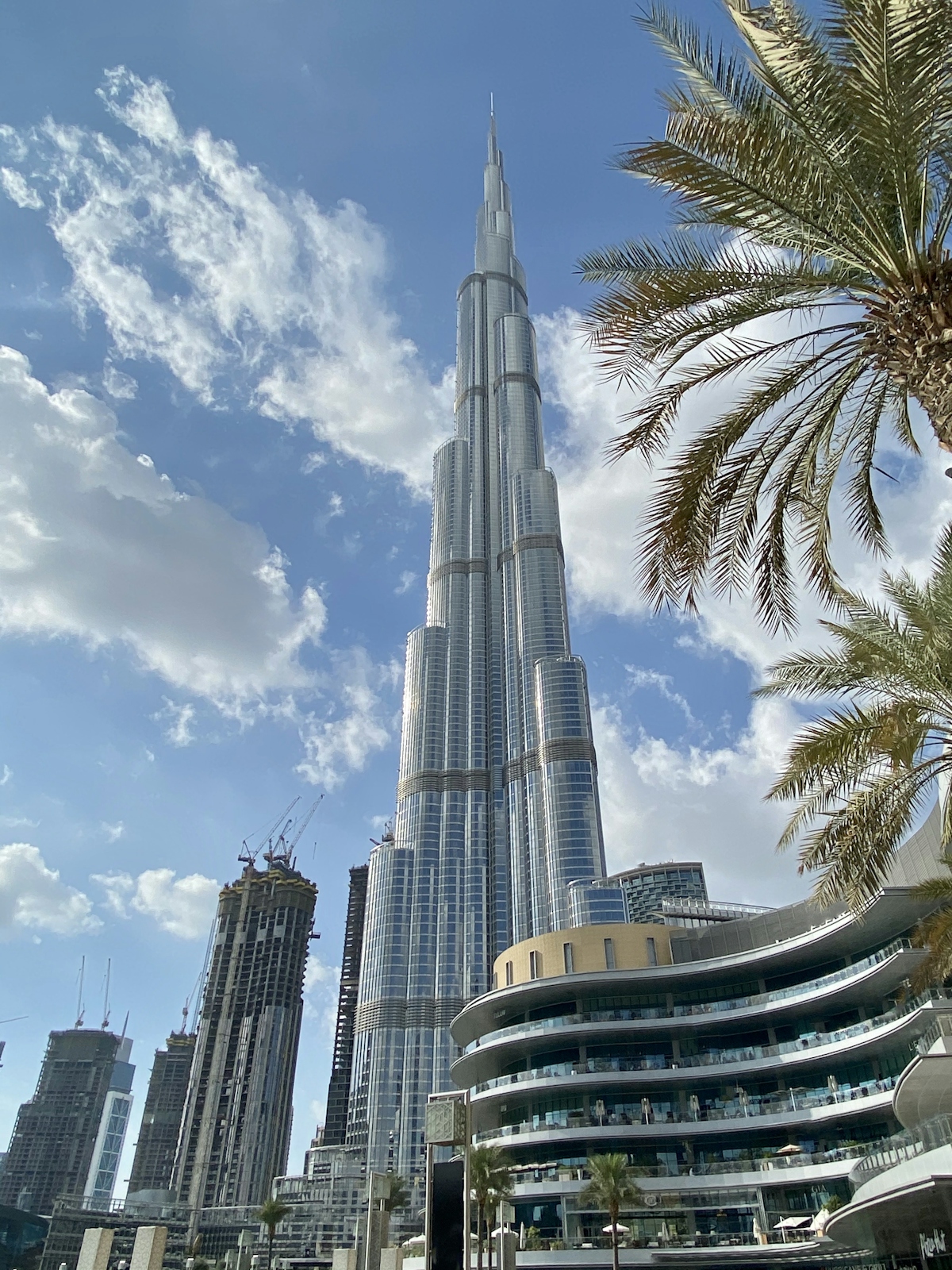
Morning (8:00 AM): Start your Dubai adventure at the Burj Khalifa — the world's tallest building at 828 meters. Book the "At the Top" ticket for Level 124/125 online for AED 169 (about $46). Go first thing when doors open to avoid the crowds that build by midmorning.
The 360-degree views from the observation deck are genuinely breathtaking — you can see the entire city sprawling below, the desert stretching endlessly to the south, and the turquoise Gulf shimmering to the north. Plan to spend about 45 minutes here, including the multimedia exhibition on the way up that tells the story of Dubai's transformation from fishing village to megacity.
Late Morning (10:00 AM): Walk directly into the Dubai Mall — connected to the Burj Khalifa base. This isn't just a shopping mall; it's a destination in itself. With over 1,200 stores spread across 5.9 million square feet, it's one of the largest malls in the world.
Skip the shopping for now and head to the Dubai Aquarium & Underwater Zoo (AED 199 for the full experience). The 10-million-litre tank holds over 33,000 aquatic animals, including 400 sharks and rays. You can see the tank for free from the mall walkway, but the tunnel walk-through is worth the ticket.
Afterwards, check out the life-size dinosaur skeleton (a genuine 155-million-year-old Diplodocus) displayed near the shoe district — it's free and casually placed between designer stores.
Afternoon (1:00 PM): Take a taxi or metro to Jumeirah for lunch at Comptoir 102 — a healthy café set in a converted villa surrounded by tropical plants. Mains cost AED 50-80 and the avocado dishes and fresh juices are excellent.
After lunch, head to Kite Beach — a free public beach with stunning views of the Burj Al Arab in the distance. The beach has clean facilities, food trucks, and you can try paddleboarding (AED 100/hour) or just swim and sunbathe.
Kite Beach is where Dubai's fitness-obsessed residents come to run, play beach volleyball, and train — it's a world away from the mall culture.
Evening (6:00 PM): Return to the Dubai Mall area for the Dubai Fountain show — the world's largest choreographed fountain system and it's completely free. Shows run every 30 minutes from 6 PM on the Burj Khalifa Lake.
The 900-foot jets are choreographed to Arabic and international music, with each show using a different song. The evening shows with the Burj Khalifa lit up behind them are genuinely spectacular — this isn't a tourist trap, locals love it too.
For dinner, you have two excellent options: At.mosphere on the 122nd floor of the Burj Khalifa for a once-in-a-lifetime splurge (AED 400+ per person, reservations essential), or Zaroob in Downtown for incredible Levantine street food — shawarma, falafel, and manakeesh for AED 40-60 per person in a lively, casual setting.

Old Dubai, Souks & Desert Safari
Morning (8:30 AM): Today you'll see a completely different side of Dubai — the historic core that existed long before the skyscrapers. Start in the Al Fahidi Historical Neighborhood (also called Bastakiya), Dubai's oldest preserved quarter.
The narrow lanes are lined with traditional wind-tower houses — an ingenious pre-air-conditioning cooling system — now converted into art galleries, cafés, and small museums. Visit the Dubai Museum inside Al Fahidi Fort (built in 1787), which costs just AED 3 — yes, three dirhams.
The underground galleries recreate life in Dubai before oil was discovered: pearl diving, fishing, desert trading. It's a powerful contrast to the city above. Allow about 90 minutes to wander the entire neighborhood, including the XVA Gallery and the small courtyard cafés where you can drink Arabic coffee with dates.
Mid-Morning (10:30 AM): Walk 10 minutes to the Dubai Creek and cross on an abra — a traditional wooden water taxi that costs AED 1. This 5-minute crossing is the cheapest and most authentic Dubai experience you'll have.
You'll arrive on the Deira side at the Spice Souk, where narrow alleys are lined with open sacks of saffron (dramatically cheaper than back home), cardamom, dried lemons, frankincense, and rose water. Fill a bag of mixed spices for AED 20-40.
Continue to the Gold Souk — a covered market with over 300 retailers selling gold jewelry at prices based on the daily gold rate plus a small making charge. Window shopping is free, and even if you don't buy, the sheer quantity of gold in one place is impressive.
If you do negotiate, expect to pay 20-30% below the initial asking price.
Afternoon (1:00 PM): Lunch at Al Ustad Special Kabab in Bur Dubai — this no-frills restaurant has been serving Iranian kebabs since 1978 and is widely considered one of the best kebab joints in the UAE. Their kubideh kebab with saffron rice and fresh bread is legendary, and you'll eat well for AED 35-50 per person.
After lunch, visit Al Seef — a beautifully restored waterfront area along the Creek that blends old and new architecture. There are boutique shops, artisan cafés, and excellent photo opportunities with the Creek and old wooden dhows as your backdrop.
Evening (4:00 PM): The highlight of Day 2 — a Desert Safari. Most tour operators pick up from hotels between 3:30-4:00 PM. A standard package costs AED 150-250 per person and includes: an exhilarating 4x4 dune bashing session across the red sand dunes, sandboarding (like snowboarding but on sand), a short camel ride, henna painting, and a BBQ dinner under the stars at a desert camp with live belly dancing and a fire show.
The whole experience lasts about 5-6 hours, and you'll be back at your hotel by 9:30 PM. The sunset over the dunes is one of those moments that makes the whole trip worthwhile.
Marina, Palm Jumeirah & Beach Life
Morning (9:00 AM): Your final day is all about Dubai's glamorous coastal side. Start at Dubai Marina — a stunning man-made canal city surrounded by over 200 residential towers, many of them architectural marvels.
Walk the 7km Marina Promenade past superyachts, waterfront restaurants, and some of the tallest residential buildings on earth. Breakfast at The Lighthouse — a popular brunch spot overlooking the marina with excellent eggs, fresh juices, and avocado toast for AED 60-80.
If you're feeling adventurous, the XLine Dubai Marina offers a 1-kilometer zipline across the entire marina at speeds up to 170km/h (AED 650) — terrifying and unforgettable in equal measure.
Late Morning (11:00 AM): Take the Palm Jumeirah Monorail (AED 20 return) to Atlantis The Palm at the tip of the artificial island. Even if you're not staying at this iconic hotel, you can access the Aquaventure Waterpark (AED 310 for a full day — worth it if you enjoy waterparks, with the Leap of Faith waterslide plunging through a shark-filled lagoon) or simply walk through the lobby to see the enormous aquarium installation called The Lost Chambers.
The Palm itself is worth experiencing just for the engineering: an artificial island visible from space, shaped like a palm tree, with each "frond" lined with luxury villas.
Afternoon (1:30 PM): For lunch, Aprons & Hammers at Atlantis offers excellent seafood in a casual setting (AED 100-150 per person), or take the monorail back to the mainland and eat at Ravi Restaurant in Satwa — Dubai's most famous Pakistani restaurant where an enormous feast of karahi chicken, dal, naan, and raita costs AED 25-35 per person. Ravi's has been an institution since the 1970s, and everyone from construction workers to Lamborghini-driving locals eats here.
Spend the early afternoon relaxing at JBR Beach (The Walk at Jumeirah Beach Residence) — a wide, clean public beach with a buzzing promenade of shops and restaurants behind it.
Evening (5:00 PM): End your Dubai trip at Madinat Jumeirah — a luxury hotel complex designed to look like an ancient Arabian city. Take an abra through the resort's canals (free for restaurant guests) with views of the iconic Burj Al Arab across the water.
Book sunset drinks at Folly by Nick & Scott — their terrace has arguably the best Burj Al Arab view in the city, with the sun setting directly behind the sail-shaped hotel. It's the perfect ending to three extraordinary days.

Budget Breakdown (Per Person, 3 Days)
| Category | Budget | Mid-Range | Luxury |
|---|---|---|---|
| Accommodation (3 nights) | $120 | $300 | $900 |
| Food & Drinks | $60 | $150 | $400 |
| Transport (Metro + taxis) | $25 | $60 | $120 |
| Activities & Entry Fees | $80 | $180 | $450 |
| Total 3 Days | $285 | $690 | $1,870 |
Practical Tips for Dubai
Money & Payments
Currency: UAE Dirham (AED). 1 USD ≈ 3.67 AED. Credit and debit cards are accepted almost everywhere — malls, restaurants, taxis, even some souk vendors. However, carry cash (AED 200-300) for abra rides, small souk purchases, and tips. ATMs are plentiful and most international cards work without fees.
Dress Code & Culture
Dubai is more relaxed than many visitors expect, but there are boundaries. In malls, hotels, and restaurants, casual Western clothing is perfectly fine — shorts, t-shirts, sundresses. At mosques (like the Jumeirah Mosque, which offers tours), cover your shoulders and knees.
Swimwear is appropriate only at beaches and pools. Public displays of affection beyond hand-holding can technically result in a fine, though enforcement is rare. During Ramadan (dates vary yearly), eating, drinking, and smoking in public during daylight hours is prohibited out of respect — most restaurants will have screened-off sections for non-fasting guests.
Alcohol
Alcohol is available at licensed restaurants and hotel bars only — not at standalone restaurants, supermarkets, or anywhere public. The drinking age is 21. Prices are high: expect AED 40-60 for a pint of beer, AED 60-90 for a cocktail.
The famous "Friday brunch" (offered by most hotels, AED 200-500 per person) is a Dubai institution — an all-you-can-eat-and-drink affair that's essentially the city's signature social event. If you want to try one, book in advance.
Weather & Timing
The ideal time to visit is November to March when temperatures are a pleasant 20-30°C (68-86°F) with clear skies. April and October are warm but manageable. Avoid June through August unless you enjoy 45°C+ heat — the outdoor attractions become genuinely unbearable, and even locals spend summer indoors.
If you visit during summer, room rates drop by 40-60%, but your activities will be limited to air-conditioned spaces.
Getting Around
The Dubai Metro (Red and Green lines) covers most tourist areas and is clean, safe, and fast. Use a Nol Card (available at any station, AED 6 for the card + credit) for metro, trams, and some buses. Taxis are metered starting at AED 12 (AED 13 after 10 PM) and are reliable — you'll never be scammed on price.
The RTA Bus network fills gaps the metro doesn't reach. Ride-hailing apps (Uber and Careem) work well and are sometimes cheaper than taxis for short rides.
Ready to book? Compare hotel prices in Dubai and find flights to Dubai on JustCheckin.