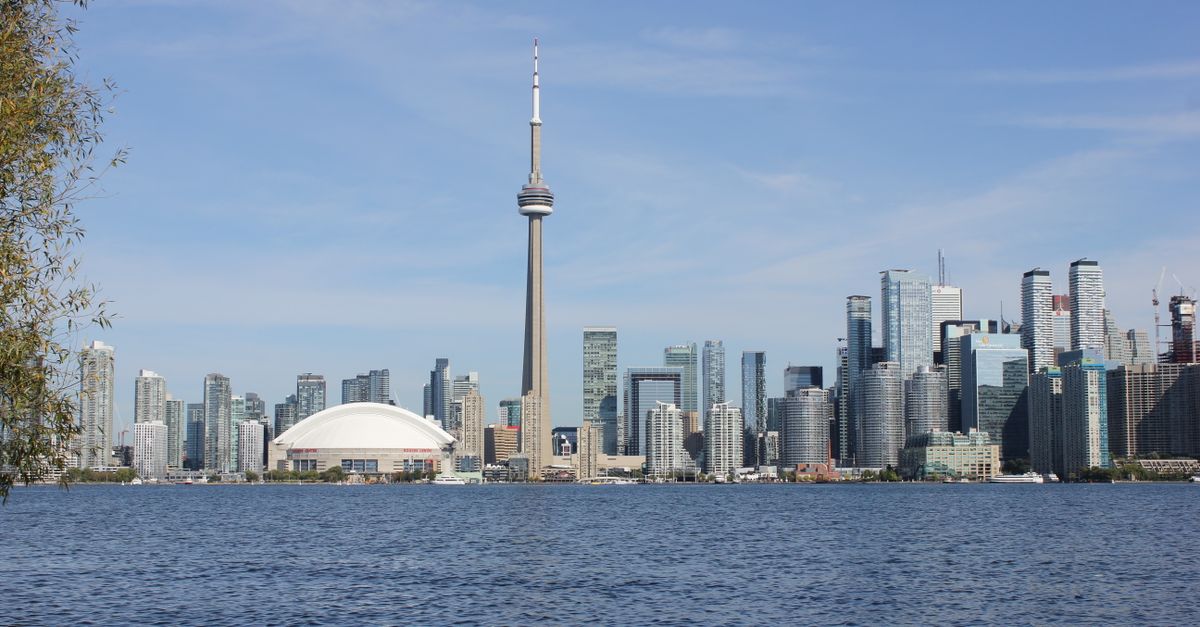
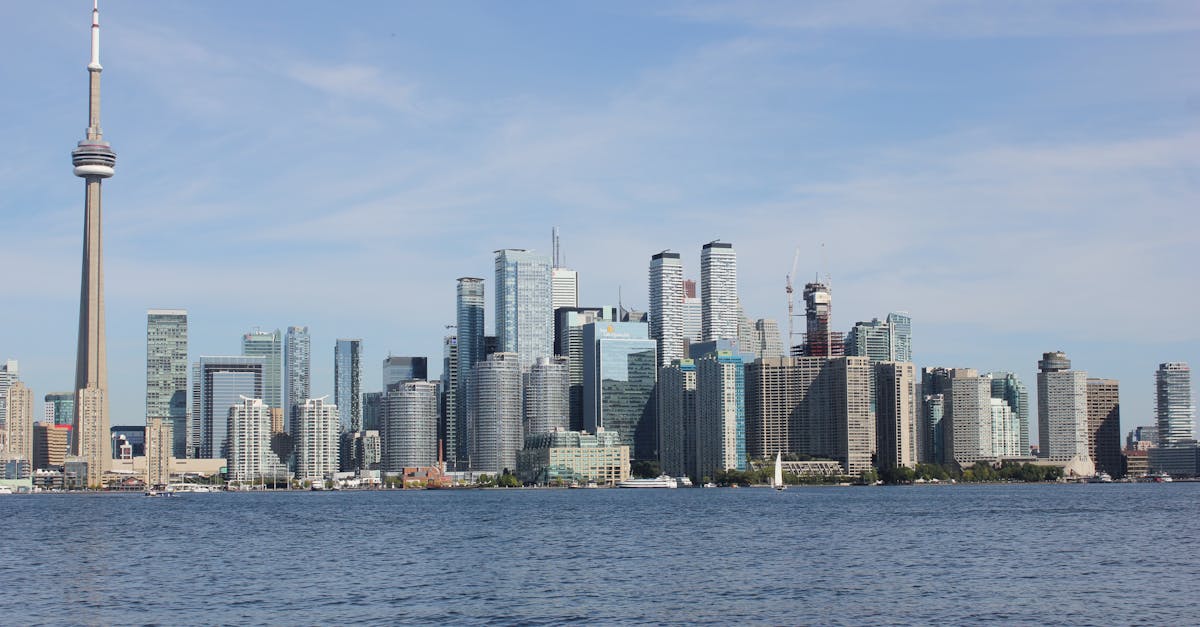
Toronto is the most underrated large city in North America for hidden gems, primarily because it lacks a dominant tourist identity. Unlike New York (finance and culture), Los Angeles (entertainment), or San Francisco (tech), Toronto is simply big and diverse — the most ethnically diverse city in the world by some measures — and that diversity has produced a food and neighborhood culture of extraordinary richness that doesn't fit easily into tourism marketing. The result is that visitors who engage beyond the CN Tower and Niagara Falls day trips discover a city that rivals any in North America for quality of food, neighborhood character, and cultural depth.
This guide is for travelers who want the Toronto that residents inhabit: the Tamil restaurants on Gerrard Street East, the Kensington Market that has resisted development for 80 years, the islands across the harbor that most visitors never visit, and the ravine system that runs through the entire city as a green network invisible from the street grid above. Plan one or two neighborhoods per day and eat as often as possible.
Toronto's TTC subway is functional but limited in geographic reach. The streetcar system is excellent for east-west movement through the central city. Most neighborhoods of interest are accessible by combining subway and streetcar — a day pass ($13.50) is excellent value. Bike share (Bike Share Toronto, day pass $7) is excellent for the waterfront, the Islands, and the central neighborhood grid.

1. The Toronto Islands' Ward's Island Community
The Toronto Islands — a chain of low-lying islands connected by footpaths in Toronto Harbour — are reachable by a 10-minute ferry from the foot of Bay Street. Most visitors go to Centre Island for the amusement park and the CN Tower view. Ward's Island, the quieter eastern island, is a functioning residential community of about 250 cottages, many built in the 1920s, in a car-free landscape of gardens, beaches, and lakeshore walks. The community has survived multiple city attempts to demolish it for parkland; the residents who have lived here for generations have created gardens of extraordinary character around their cottages. On weekday afternoons, the island is almost empty of visitors.
Ward's Island has been a community for over a century, originally as a summer retreat, later as a year-round residential neighborhood. The lease fight with the City of Toronto in the 1970s and 1980s was one of the most dramatic urban political battles in Canadian history; the community's survival is a direct result of organized resident resistance.
Take the Ward's Island ferry from the Jack Layton Ferry Terminal at the foot of Bay Street — ferry runs approximately every 30 minutes, $9.08 round-trip adults. On Ward's Island, walk the perimeter path, explore the cottage community by following any internal path, and swim at the sandy beach on the south shore. Bicycles are permitted on the ferry.
Ferry: $9.08 round-trip. The island has a small café (seasonal, limited menu) and limited food options — bring a picnic from Kensington Market or St Lawrence Market. Allow 2–3 hours minimum. The view of the Toronto skyline from the south shore beach is one of the city's most iconic and is almost never photographed from this angle in tourist material.
2. Kensington Market's Organic Commercial Culture
Kensington Market — a compact neighborhood of Victorian row houses converted to shops, restaurants, and market stalls west of Chinatown — has maintained its character as Toronto's most idiosyncratic commercial neighborhood despite decades of real estate pressure. The history is layered: originally a Jewish market in the early 20th century, then Caribbean, then hippie, then global — and currently all of these simultaneously. Vintage clothing shops occupy former fish markets; South American empanada shops share blocks with West Indian patty stands and Portuguese fishmongers. On Pedestrian Sundays (last Sunday of the month May–October), Augusta Avenue closes to cars and the neighborhood becomes its best self.
Kensington's resistance to complete commercial gentrification is partly structural — the properties are individually owned in small lots, preventing the kind of block-scale development that has transformed similar neighborhoods in other cities — and partly cultural, the result of generations of residents who have chosen community character over maximum rent extraction.
Take the 510 Spadina streetcar to Nassau Street, walk west one block, enter the market at any point. The market is centered on Augusta Avenue between College Street and Dundas Street West. Pedestrian Sundays run May through October — check the Kensington Market BIA website for dates.
Free to explore. Budget $10–20 for grazing: empanadas ($4–5), patties ($3), Caribbean food ($10–14), bubble tea ($7), vintage clothing ($5–50). The 7 Lives taqueria on Baldwin Street does Toronto's best tacos ($4–5 each). Bring cash — many vendors are cash only.
3. Gerrard Street East's South Asian Restaurant Corridor
The "Indian Bazaar" strip along Gerrard Street East between Greenwood and Coxwell Avenues in the East End is Toronto's Tamil, South Asian, and East Indian restaurant and grocery corridor — a strip that operates completely for its local community with restaurant menus in Tamil and Hindi, grocery stores selling fresh curry leaves and dried spices unavailable at mainstream markets, and sweet shops producing mithai (Indian sweets) at prices and quality that eliminate any reason to visit the sanitized South Asian restaurants in other neighborhoods. Sri Lankan restaurants here serve kothu roti and string hoppers; Tamil tea shops serve three meals a day in a context where English is not necessarily the primary language.
The neighborhood developed in the 1980s as Tamil and South Indian immigrants settled east of downtown, building a commercial corridor that serves approximately 70,000 South Asian Canadians in the surrounding east-end neighborhoods. The community's cultural organizations, temples, and grocery networks are deeply embedded in the area's streetscape.
Take the 506 Carlton streetcar east to Greenwood Avenue, or the 501 Queen streetcar to Coxwell and walk north. The commercial corridor runs along Gerrard Street East between Greenwood and Coxwell. Weekend mornings are most active; lunch is the primary meal service window for most restaurants.
Budget $12–18 for a complete Sri Lankan or South Indian lunch. Sweets at any mithai shop run $2–5 per piece. The grocery stores offer a produce and spice selection unmatched outside specialty importers. Highly recommended: Udupi Palace for South Indian vegetarian food ($12–16 per person), or any of the Tamil restaurants for kothu roti ($10–15).
4. The Distillery District's Winter Atmosphere
The Distillery District — 44 heritage industrial buildings on 13 acres east of downtown, developed from the former Gooderham and Worts Distillery (founded 1832) into a car-free pedestrian village of galleries, restaurants, and shops — is one of Toronto's most successful adaptive reuse projects. It's well-known and moderately visited. The hidden version of the Distillery is its winter atmosphere: from November through January, the Christmas market fills the cobblestone lanes with lanterns, vendors, and crowds that somehow make the already-atmospheric Victorian brick buildings more rather than less beautiful. In February and March, after the market ends and before the tourist season begins, the district is almost empty and extraordinarily photogenic under gray Toronto skies.
The Gooderham and Worts Distillery was once the largest in the British Empire. The industrial buildings — red brick, heavy timber, cast-iron columns — have been preserved with extraordinary care, and the galleries and restaurants that occupy them are of consistently higher quality than typical tourist district tenants.
Take the 504 King streetcar east to Parliament Street, walk south 5 minutes. Or walk from the St Lawrence Market area. The district is centered on Trinity Street and Mill Street. Open year-round; most shops and galleries open Tuesday–Sunday. The Christmas Market runs late November through December.
Free to enter and walk. Budget $20–30 for lunch at Mill Street Brew Pub (the on-site brewery, excellent food, $15–22 mains). Gallery visits are typically free. The Balzac's Coffee roastery in the Corkin Gallery building is one of Toronto's best café experiences ($5–7 for coffee drinks).
5. Spadina Avenue's Chinatown and the West End Markets
Toronto's Chinatown along Spadina Avenue between Dundas Street West and College Street is one of North America's largest and most functional — a dense commercial and restaurant strip that serves a significant Chinese-Canadian population and has been doing so since the 1950s. The real gem is not the street itself but the blocks east and west: Kensington to the west (already covered), and to the north, the stretch of Harbord Street and College Street where Cantonese, Vietnamese, and Vietnamese-Chinese restaurants serve lunch specials of extraordinary value ($10–14 for complete meals including soup). Bright Pearl restaurant is the best dim sum without a wait in the downtown core; the Chinese night market on Spadina in summer runs into the late evening.
Toronto's Chinese community has been present since the 1870s, originally concentrated east of downtown before relocating to the Spadina Avenue corridor after urban renewal destroyed the original Chinatown in the 1960s — a pattern repeated in Canadian and American cities during the highway-construction era. The current Chinatown is culturally vital and commercially thriving despite constant real estate pressure.
Take the 510 Spadina streetcar to Dundas Street West and walk the Chinatown block north toward College Street, or south toward Sullivan Street where older establishments are concentrated. Weekend mornings for dim sum; weekday lunch for the best value restaurant specials.
Budget $10–20 for dim sum or lunch. The grocery stores along Spadina sell produce, seafood, and prepared foods at remarkably low prices. Combine a Chinatown lunch with a Kensington Market afternoon for one of Toronto's best food days.
6. High Park's Cherry Blossoms and West End Nature
High Park in the west end — 399 acres of park, forest, wetlands, and a formal English garden — is Toronto's most complete urban park and genuinely rivals Central Park in scale and ecological quality. The park is most famous for its cherry blossoms (hanami) in late April–early May, when the Sakura trees near the main parking circle bloom in a spectacle that draws enormous crowds. Arrive before 7am on any peak blossom day and you'll have the trees essentially to yourself in a landscape of mist and pink flowers. The park's Grenadier Pond hosts migratory waterfowl in spring and fall; the Hillside Gardens are excellent from June through September.
High Park was donated to the City of Toronto by John Howard, an architect who designed his residence (Colborne Lodge, now a museum) within the park's grounds. Howard's original vision of an English landscaped park has evolved over 150 years into a complex ecosystem that includes significant remnants of black oak savanna — a globally rare ecosystem of which Toronto harbors one of the last examples.
Take the TTC Bloor-Danforth Line (Line 2) to High Park station. The park entrance is directly from the subway platform. Cherry blossoms: late April–early May (variable by year); follow @HighParkTO for daily updates. Early morning visits during peak bloom are essential to avoid crowds.
Free. Budget nothing except transit. Café options within the park are limited and seasonal — bring a picnic from Roncesvalles Avenue (the Polish neighborhood immediately east of the park) for the best combination. Zapiecek Polish Pierogies on Roncesvalles serves excellent pierogies for $12–15 that travel well for park eating.
7. St Lawrence Market's Saturday Farmers Market
St Lawrence Market is one of North America's best public markets — a building on Front Street East that has been operating since 1803 (the current building dates to 1844 with extensive rebuilding). Most visitors know the main market, which is open Tuesday through Saturday. The real gem is the Saturday farmer's market in the North Building: 70+ vendors selling Ontario produce, artisan cheeses, bread, meat, and prepared foods from the surrounding agricultural region. Saturday morning from 5am to 3pm, the market is operating at full intensity; arrive before 8am for the best produce selection and the least crowded experience.
The historical significance of the market extends beyond food: the building complex includes the original City Hall from 1844, a police station, and a jail where prisoners were held before execution. The market's continuity for over 200 years makes it one of Toronto's genuine institutional anchors.
Take the Line 1 subway to Union Station, walk east on Front Street 10 minutes. Or take the 504 King streetcar to Jarvis Street. The market is at 93 Front Street East. Main market: Tuesday–Saturday 5am–8pm (closes earlier some days). Farmer's market: Saturday only, 5am–3pm.
Budget $20–40 for a thorough farmers market shop. The iconic St Lawrence Market experience is the peameal bacon (back bacon) sandwich from Carousel Bakery ($7) — this is the sandwich that established the market's reputation and is still the best version of it in Toronto. Bring a reusable bag.
8. Roncesvalles Avenue's Polish Toronto
Roncesvalles Avenue in the West End is Toronto's Polish neighborhood — a 15-block commercial strip from Dundas Street West to Howard Park Avenue where Polish delis, bakeries, restaurants, and cultural organizations operate alongside a newer layer of independent coffee shops and restaurants that have arrived with gentrification. The Copernicus Lodge community center anchors the cultural life; the Olej & Ogor Polish deli on Roncesvalles sells kielbasa, bigos (hunter's stew), and zurek (sour rye soup) to go. The spring Polish festival (Roncesvalles Polish Festival, September) draws 150,000 people for a street fair that is genuinely community-organized rather than tourism-marketed.
Toronto's Polish community established its presence on Roncesvalles primarily after World War II and the subsequent Solidarity era, making Roncesvalles a neighborhood with distinct historical layers — prewar immigrants, postwar displaced persons, and post-1980 political refugees who shaped a community with strong ties to Polish Catholic culture and Polish cultural organizations.
Take the 504 King streetcar west to Roncesvalles Avenue, or walk south from the High Park subway station. Walk north along Roncesvalles from King Street toward Bloor Street. Morning visits offer the best deli and bakery inventory.
Budget $15–25 for a deli-sourced meal of kielbasa, bread, and pickles. Sit-down Polish restaurant meals run $20–30 per person. Café Polonez on Roncesvalles for pierogi and borscht ($12–18). The area is excellent for combining with a High Park visit — the park is 5 minutes walk west.

9. Little Portugal on Dundas Street West
The stretch of Dundas Street West between Trinity Bellwoods Park and Dufferin Street is a palimpsest of Toronto's immigration history: originally Portuguese (still visible in the tiled cafe fronts, the pastelarias selling custard tarts, and the deli selling salted cod), now overlaid with Brazilian, Vietnamese, and Latin American businesses. The result is one of the most interesting commercial streets in the city — you can eat a perfect pastel de nata ($3–4) at a Portuguese café and a Brazilian coxinha ($3) from a Brazilian snack shop within a 5-minute walk. The Dundas Street West streetcar runs the full length for $3.25.
Toronto's Portuguese community established its presence on Dundas West and Kensington in the 1950s–1970s, making it one of the largest Portuguese communities in North America. The community's cultural organizations — the Portuguese Canadian Cultural Centre, the Club Portugues — have deep roots in the neighborhood, and the religious festivals (particularly the Feast of St Anthony in June) reflect a cultural vitality that is not merely historical.
Take the 505 Dundas streetcar west from downtown to the Little Portugal stretch between Trinity Bellwoods and Dufferin. The 501 Queen streetcar also runs parallel one block south, with connections to the neighborhood. Walk north on Ossington Avenue for the Ossington Strip's independent bars and restaurants if combining with an evening out.
Budget $10–20 for grazing: custard tarts ($3–4), espresso ($3–4), a prego (Portuguese steak roll, $12–14). Sit-down Portuguese restaurants: $20–30 per person for a full fish dinner. Trincheira on Dundas West serves excellent traditional Portuguese food at these prices. Trinity Bellwoods Park, across the street, is Toronto's best people-watching park on summer afternoons.
10. The Scarborough Bluffs and Beach
Twenty kilometers east of downtown Toronto on the Lake Ontario shoreline, the Scarborough Bluffs — 15 kilometers of clay bluffs rising up to 90 meters above the lake — are one of the most dramatic natural features in the Greater Toronto Area. Bluffer's Park at the bluffs' base provides beach access and views back up at the white cliff faces; the Scarborough Bluffs Park at the top offers views down to the lake that feel genuinely grand in scale. The beach is uncrowded by Toronto standards on weekdays and is one of the best swimming spots within city limits.
The bluffs were formed by glacial deposition and subsequent erosion over approximately 10,000 years — they're still eroding at a rate of about 1 meter per year, and the resulting instability makes the cliff edges dangerous for close approach. The geological cross-section visible in the cliff face documents the layers of the last ice age in a way that no museum exhibit can replicate.
Take the 12 Kingston Road bus east from the Warden subway station to the Scarborough Bluffs Park entrance, or drive east along Kingston Road. Bluffer's Park at the lake level is accessed by a separate road near Kingston Road and Brimley Road. Open daily; free parking at Bluffer's Park weekdays.
Free. The surrounding Scarborough neighborhood — the most diverse in Toronto by some measures — has a remarkable variety of independent restaurants: excellent Sri Lankan food at Tamil restaurants on Ellesmere Road, Trini roti shops, and Caribbean patty bakeries. Budget $12–18 for a full Sri Lankan lunch in the Scarborough Tamil community along Markham Road.