Naples Food Guide: What to Eat and Where to Find It
Naples's food scene is a genuine reflection of its culture, geography, and history rather than a performance staged for tourist consumption. The local cuisine draws on centuries of tradition, regional ingredients, and the kind of culinary knowledge that passes from grandmother to grandchild in family kitchens long before it reaches restaurant menus. Street food stalls, market vendors, and family-run restaurants all contribute to a dining landscape that rewards curiosity and an adventurous palate. The best meals here are often the simplest ones, made with exceptional ingredients treated with the respect they deserve.

Pizza Napoletana
Pizza Napoletana (€12-18) — The essential Naples dish that every visitor should try at least once, ideally at a family-run restaurant where the recipe has been refined over generations rather than adapted for international palates. Made with locally sourced ingredients that reflect the region's geography and agricultural traditions, this dish captures the essence of the culinary culture in a single plate. The preparation is deceptively simple but the execution requires genuine skill honed over years of daily cooking. L'Antica Pizzeria da Michele serves one of the city's most respected versions in a setting that has barely changed in decades, with worn wooden tables and handwritten menus that change with the market and the seasons.
Ragù Napoletano
Ragù Napoletano (€3-6) — A beloved local specialty found at bars and restaurants throughout Naples, this dish reflects the region's agricultural heritage and the resourcefulness of home cooks who learned to make extraordinary food from humble, affordable ingredients. The flavour profile combines elements that seem simple individually but create something greater than their parts when combined with the right technique and the right quality of raw materials. Best enjoyed with a glass of local wine or beer at a neighbourhood bar where the unhurried pace of service defines the dining culture and rushing through a meal is considered borderline offensive.
Sfogliatella
Sfogliatella (€3-6) — A regional classic that locals order without thinking but visitors often overlook in favour of more familiar international options listed lower on the menu. This is a genuine mistake worth correcting. The combination of textures and flavours is unique to Naples and its surrounding region, making it impossible to replicate elsewhere no matter how skilled the chef or how expensive the ingredients. Sorbillo does a particularly excellent version that draws neighbourhood regulars who return daily and would notice immediately if the recipe changed even slightly.
Cuoppo Fritto
Cuoppo Fritto (€3-5) — Street food at its finest, found at market stalls, corner shops, and casual eateries throughout the old town wherever locals gather during breaks from work or shopping. Cheap, deeply satisfying, and best eaten standing up or perched on a stool at the counter watching the cooks work with practiced efficiency. The apparent simplicity of the preparation belies the considerable skill required to get the seasoning, temperature, timing, and texture exactly right every single time the dish is prepared throughout a long service day.
Pasta e Patate
Pasta e Patate (€12-18) — A showcase dish for the region's finest ingredients, prepared with minimal intervention and maximum respect to let the quality of the raw materials speak for itself without being masked by heavy sauces or excessive seasoning. Seasonal availability means this dish is genuinely best between specific months when the key ingredient is at its peak, so ask your server about timing and do not hesitate to order something else if the season is wrong. Trattoria da Nennella sources directly from local producers and small-scale farmers for the freshest possible version available anywhere in the city.
Babà
Babà (€3-6) — A regional specialty that visitors rarely encounter outside of Naples and its immediate surroundings, making it a genuine culinary discovery for those willing to step beyond the familiar. The recipe dates back centuries and reflects the cultural influences, trade routes, and ingredient availability that make this region's cuisine distinct from the rest of the country. Best enjoyed as part of a larger spread of shared dishes with friends, cold local drinks, and the kind of unhurried conversation that transforms a simple meal into a memorable evening.
Local Bread & Bakery Specialties
Local Bread & Bakery Specialties (€3-5) — The local bakery tradition deserves attention beyond the main dishes. Every neighbourhood has its preferred bakery where fresh bread, pastries, and regional specialties emerge from the oven throughout the morning. The best strategy is to arrive before 9am when selection is widest and the aromas are most intoxicating. Ask for whatever is freshest and eat it immediately, standing outside the shop with crumbs on your shirt and absolutely no regrets about the calorie count.
Market Grazing Plate
Market Grazing Plate (€3-6) — The central market offers the best opportunity to assemble a personal grazing plate from multiple vendors: cured meats from one stall, olives and pickled vegetables from another, fresh bread from the bakery counter, and local cheese from the specialist dairy vendor. Combine these with a glass of regional wine from the market bar and you have a lunch that costs half of what a restaurant charges while offering twice the variety and authenticity of a single kitchen's output.
- Eat where locals eat. If a restaurant is empty at peak dining hours while the one next door has a queue, follow the queue. Tourist menus with multiple languages and photos are almost always a sign of mediocre food at inflated prices.
- The local set lunch menu (where available) offers the best value: typically three courses with a drink for €12-18. Available at neighbourhood restaurants on weekday lunchtimes, this is how working locals actually eat.

Where to Eat: Centro Storico: Traditional Dining
The historic centre has the highest concentration of restaurants but also the highest risk of tourist traps. Stick to side streets away from the main square and look for places where staff do not stand outside recruiting. L'Antica Pizzeria da Michele has been serving traditional dishes since before tourism arrived and maintains standards that locals demand. Budget €12-18 per person with drinks.
Where to Eat: Vomero: Creative & Contemporary
The city's most exciting food neighbourhood, where young chefs are reinterpreting traditional recipes with modern techniques and global influences. Sorbillo leads the charge with a constantly evolving menu that reflects what is fresh at the market that morning. Wine bars and craft beer spots provide excellent options for grazing between meals. Budget €12-18 per person.
Where to Eat: Chiaia: Local & Affordable
Off the tourist trail, this residential neighbourhood is where Naples's best value dining hides in plain sight. Family-run restaurants serve generous portions of home-style cooking at prices that reflect local wages rather than tourist budgets. Trattoria da Nennella is a neighbourhood institution where the owner knows every regular by name and the daily specials are written on a chalkboard that changes with the seasons. Budget €3-6 per person.
Street Food & Markets
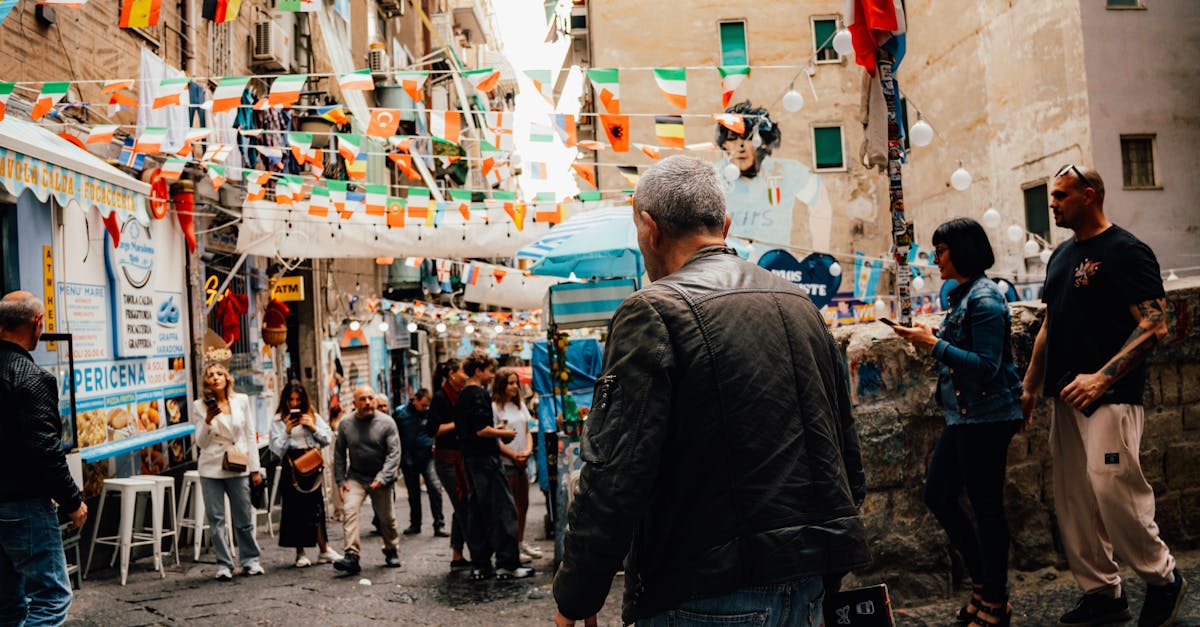
Naples may have invented the restaurant as the world knows it, but its truest food identity lives outdoors — in the narrow vicoli of the Quartieri Spagnoli, at the fish stalls of the Pignasecca market, and around the fry shops that open their shutters at dawn and close when the last cuoppo is sold. Street food here is not a trend or a food-hall concept; it is the original Naples dining experience, unchanged in its essentials for two centuries.
The Mercato di Porta Nolana, running along the eastern edge of the historic centre near Corso Umberto I, is the city's most atmospheric daily market and the undisputed headquarters of Neapolitan ingredient culture. Arrive before 9 AM on a weekday to see it at full intensity: fishmongers shouting prices over mounds of clams, mussels, octopus, and sea bass; cheese vendors slicing provola affumicata and fior di latte; and fruit stands piled with San Marzano tomatoes so ripe they split in the heat. Budget €8–12 to assemble a portable lunch from the stalls alone. The adjacent Pignasecca market, a few streets to the west, handles vegetables, cured meats, and the kind of rough-edged street snacks — pizza fritta stuffed with ricotta and ciccioli (€2.50), fried zucchini blossoms, and skewered mozzarella in carrozza — that require no plate or cutlery.
For the deep-fried cuoppo experience, the street corners around Spaccanapoli are the right hunting ground. The paper cone is filled to order with calamari, shrimp, zucchini, and mixed vegetables in a shatteringly crisp batter, then handed over the counter for immediate consumption. Friggitoria Fiorenzano on Piazza Montesanto has been frying since 1897 and charges €4 for a generous cone. The Quartieri Spagnoli — the Spanish Quarter grid of streets running uphill from Via Toledo — is where to find pizza a portafoglio, a folded slice sold for €1.20 from hole-in-the-wall shops that keep no chairs and expect no lingering. Eat it walking, with sauce on your chin, exactly as every Neapolitan schoolchild does.
Sunday mornings bring a different energy to the historic centre. The Fiera Antiquaria Napoletana along Via Francesco Caracciolo, beside the seafront, mixes antique dealers with snack vendors selling taralli (ring-shaped crackers glazed with lard and black pepper, €0.50 each) and sfogliatelle ricce from wheeled carts. The coffee culture that bookends every street food session deserves separate mention: a standing espresso at the bar costs €1.10 at a standard neighbourhood bar, and the correct protocol is to pay first, hand the receipt to the barista, and drink it in two minutes without sitting down. Any bar charging over €1.50 for a standing espresso near the historic centre is charging the tourist premium.