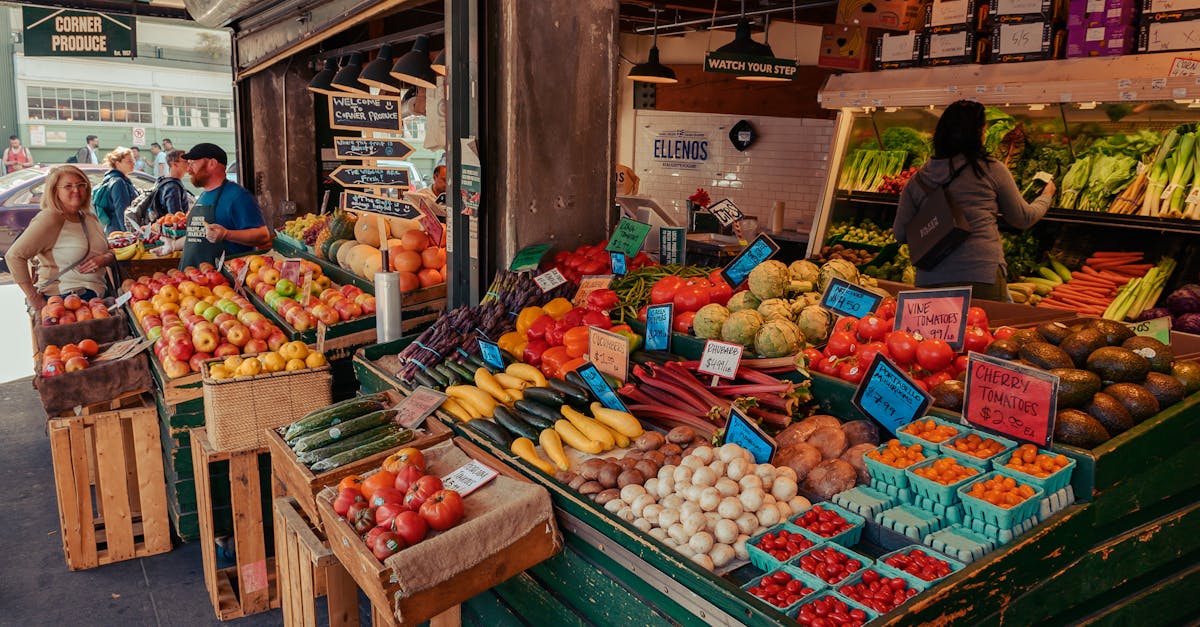
Montreal's food scene operates on a principle most cities have forgotten: the best cooking requires time, attention, and accumulated knowledge from making the same dish a thousand times. Street vendors often outperform restaurants because their repetition-honed technique produces extraordinary consistency.
The restaurant scene adds sophistication, with chefs blending traditional techniques with contemporary ideas to create dishes that honor their origins while pushing forward. But the foundation remains the same: local ingredients, time-tested recipes, and a food culture where cutting corners is personal failure.
Come hungry. Stay hungry. Montreal will reward every appetite.
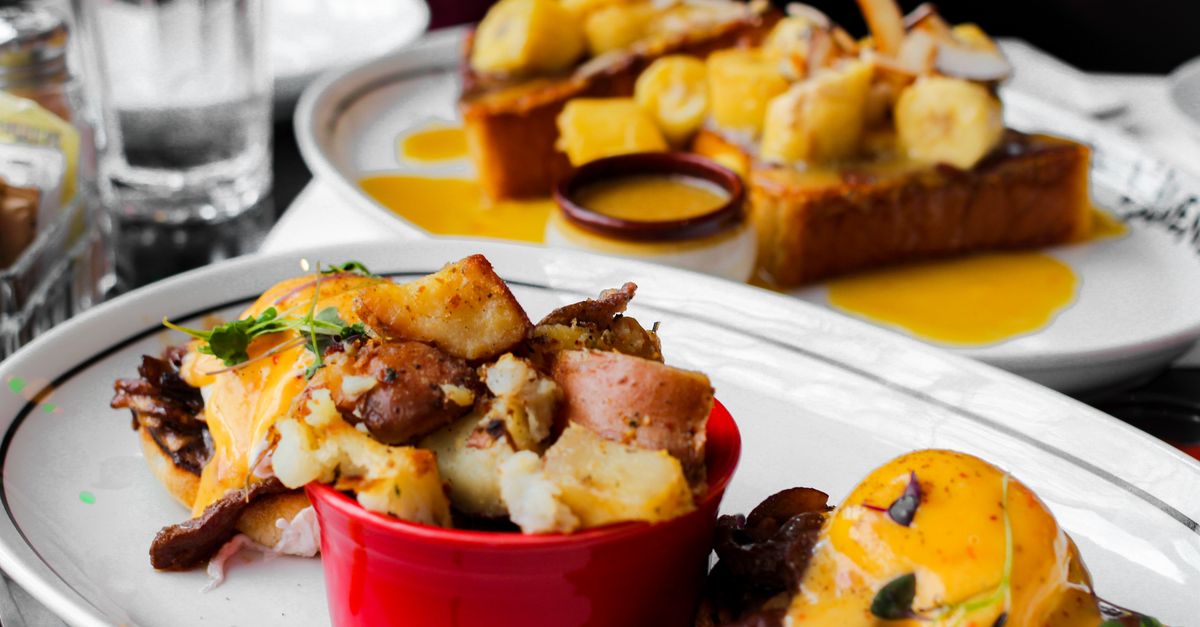
Must-Try Dishes in Montreal
1. Poutine classique
The dish that defines Montreal's culinary identity — the one locals argue about and visitors remember long after leaving. The best versions deliver a depth of flavor suggesting hours of preparation in each bite, with contrast between crispy and soft, rich and bright. The preparation varies from place to place, but consistency of quality across the city speaks to how seriously this dish is taken. Expect to pay CAD 9. Order this on your first day as a benchmark for every version you encounter afterward.
2. Smoked meat sandwich
Deceptively simple. The ingredients are straightforward, but the technique to balance them perfectly is not. The best versions achieve that rare quality where every element is individually identifiable yet inseparable from the whole. Street vendors often outperform restaurants because repetition-honed skill produces consistency no recipe guarantees. Expect to pay CAD 14. Ask locals where their favorite version is served and follow their directions without hesitation.
3. Montreal-style bagel
Comfort food elevated to culinary art. Bold flavors without aggression, generous portions without excess. Rooted in home cooking that grandmothers perfected and street vendors democratized by making it available to anyone with a few coins and an appetite. The satisfaction is both immediate and lasting. Expect to pay CAD 1.50. Pairs exceptionally well with local beverages, creating a combination greater than the sum of its parts.
4. Tourtière meat pie
A dish that divides first-time visitors — some love it immediately, others need a second attempt before the flavors register correctly on a palate calibrated to different cuisines. By the third bite, most are converts. The seasoning achieves an intensity that Western cooking rarely approaches, using ingredients commonplace here but exotic elsewhere. Expect to pay CAD 8. Trust the dish. It survived centuries of culinary evolution because it works.
5. Tarte au sucre
The dish you will crave three months after leaving Montreal. It has that addictive quality — a combination of flavor, texture, and memory that lodges in your subconscious. The local version is impossible to replicate at home — the technique, heat source, and atmosphere all contribute something no kitchen can reproduce. Expect to pay CAD 5. Eat it more than once during your stay. You will be glad you did.
6. Crepe from a street cart
Every family in Montreal has their own variation. The street version tends to be more robust and unapologetically seasoned than restaurant interpretations, which are often smoothed out for broader palates. Both are valid, but the street version is the one to try first — it gives you the unfiltered flavor profile that defines the dish in its most honest form. Expect to pay CAD 7. The aroma alone is worth the trip across town.
7. BeaverTail pastry
A dish that rewards patience. The slow transformation of simple ingredients into something complex and deeply satisfying cannot be rushed. When it arrives, the color should be rich and inviting, the surface properly charred or glossed, and the aroma should make you lean in involuntarily. This is food that takes itself seriously. Expect to pay CAD 6. Order it at the most traditional-looking establishment you can find.
8. Foie gras poutine
What locals order when they want to treat themselves — not because it is expensive, but because it represents the pinnacle of local tradition. Requires fresh, high-quality ingredients and careful preparation. A rushed version is immediately recognizable and deeply disappointing. When made right — and in Montreal, it usually is — it justifies an entire trip. Expect to pay CAD 18. Ask your server which version they personally prefer.

Where to Eat in Montreal
Schwartzs Deli
Schwartzs Deli is the epicenter of Montreal's food culture — tourists and locals overlap in productive chaos, and quality ranges from good to extraordinary. Walk the entire area before committing, and eat where the local queue is longest. Prices are fair, portions generous. Most spots open from late morning through late evening, with peak energy at lunchtime and after sunset. Come twice if your schedule allows — daytime and nighttime experiences are meaningfully different.
Jean-Talon Market
The food at Jean-Talon Market reflects Montreal's identity in concentrated form — local flavors, traditional preparation, prices calibrated for regulars rather than one-time visitors. The best places have operated for years, sometimes decades, with menus refined through daily judgment by people who know exactly what each dish should taste like. Sit at the counter if possible — watching the preparation is half the experience, and cooks tend to be more generous with portions when they see genuine interest.
Plateau Mile End bakeries
Plateau Mile End bakeries represents the evolving face of Montreal's food scene — traditional recipes alongside contemporary interpretations, veteran cooks beside young chefs, honoring the past without being imprisoned by it. The atmosphere is energetic, the crowd a mix of food-savvy locals and informed travelers. Prices are slightly higher than pure street food but quality justifies the premium. Reservations recommended for dinner at popular spots, but lunch is usually walk-in friendly.
Food Tips for Montreal
Dietary Considerations
Vegetarian options exist throughout Montreal, though not always labeled. Ask directly — most kitchens accommodate requests. For allergies, carry a written card in the local language stating your restrictions.
Food Safety
Eat where turnover is high, cooking is visible, and locals are eating. Cooked food from busy stalls is almost universally safe. Bottled water recommended. Raw preparations require more caution in warmer months.
Tipping & Payment
Check whether service is included at restaurants before tipping. Cash remains king at smaller establishments — carry small denominations. Credit cards work at most restaurants but rarely at market stalls.
Food by Neighbourhood in Montreal
Montreal's culinary geography is one of its best-kept secrets. Each neighbourhood has a distinct food personality, and eating your way across them is a more revealing introduction to the city than any tourist circuit. The key is knowing which part of town to head to for which craving — and then going there before hunger turns to urgency.
The Plateau-Mont-Royal is the neighbourhood for leisurely brunches and bakery culture. The stretch of Avenue du Mont-Royal between Saint-Denis and Papineau is lined with independent cafes and restaurants that fill every weekend morning with locals reading newspapers over café au lait. Café Olimpico on Saint-Viateur has been pulling espresso shots since 1970 — arrive before 9 AM to claim a seat without waiting. Fairmount Bagel and St-Viateur Bagel, the city's two rival institutions a few streets apart, bake their wood-fired bagels around the clock. The debate over which is superior is a local sport — try both and form your own position.
Mile End, overlapping with the Plateau's northern edge, is where Montreal's Jewish deli tradition meets its bohemian creative class. Schwartz's Deli at 3895 Saint-Laurent Boulevard is the undisputed temple of smoked meat — a medium-fat sandwich with mustard on rye, served at a communal table, costs around CAD 14 and has not fundamentally changed since 1928. The queue moves faster than it looks. Wilensky's Light Lunch on Fairmount, open since 1932, serves a griddled salami-and-bologna pressed sandwich for CAD 4 — no substitutions, no modifications, pay when you order.
Jean-Talon Market in Little Italy anchors the northern food culture. Surrounding restaurants like Pizzeria Napoletana (Montreal's oldest pizzeria, since 1948) and Café Italia draw neighbourhood regulars who have been coming for decades. The market itself sells Québec cheeses, cured meats, and maple products that make exceptional picnic supplies for a meal in the nearby Parc Jarry.
In Old Montreal near the waterfront, avoid the obvious tourist traps on Place Jacques-Cartier and instead find Olive et Gourmando on Rue Saint-Paul Ouest — a bakery-cafe that draws queues of locals for its pressed sandwiches, morning pastries, and reliably excellent coffee (CAD 8-14 per dish). Marché Bonsecours holds periodic artisan food markets worth checking for local jams, honey, and charcuterie.
The Little Burgundy neighbourhood near the Atwater Market has emerged as one of the city's most exciting dining pockets. Joe Beef, Au Pied de Cochon, and Liverpool House cluster within a few blocks and have together shaped Montreal's contemporary restaurant reputation internationally — all are worth a splurge dinner (CAD 60-100/person). But the Atwater Market itself, with its indoor cheese and charcuterie stalls, serves a more democratic food experience at fraction of the price.
Continuing through Canada? Read our Vancouver 3-Day Itinerary for more food adventures.