
Lapland's food is inseparable from its extreme environment. Above the Arctic Circle, where winter lasts eight months, where the sun does not rise for weeks in December, and where reindeer outnumber people in the Finnish tundra, cooking has always been a matter of survival as much as pleasure. The indigenous Sámi people developed food traditions over thousands of years that extract maximum nutrition from minimum available resources — reindeer, Arctic fish, wild berries, and the sparse but intensely flavored plants that emerge briefly each summer during the polar day. Nothing here is wasted. Nothing here is unnecessary. Everything is intensely flavored by the cold.
What makes Lapland's food extraordinary is the purity of its ingredients. Arctic char pulled from frozen lakes has a fat content and flavor that warm-water fish cannot approach. Cloudberries (lakka in Finnish) grow only in boggy arctic terrain and have a flavor of such complexity — simultaneously tropical-fruity and tart and honey-like — that no cultivated fruit remotely resembles them. Reindeer, which graze on lichen through the winter and on fresh Arctic grasses and herbs in summer, produces meat of remarkable leanness and delicacy with an almost wild, mineral quality. The altitude, the cold, and the purity of the environment combine to produce ingredients that are simply better versions of their category than anywhere else.
Come in winter for the Northern Lights and the full Arctic experience; come in summer for the 24-hour light and the wild berry picking. Both seasons have distinct food experiences. The reindeer stew in a kota (traditional Sámi tent) during a snowstorm is not the same experience as eating cloudberry jam on fresh rye bread at a fell-top café during the midnight sun — both are Lapland, but they are different meals entirely.

10 Must-Try Dishes in Lapland
1. Sautéed Reindeer (Poronkäristys)
Poronkäristys — sautéed reindeer — is Finland's most beloved national dish and Lapland's most essential culinary expression. Thin-sliced reindeer meat is sautéed in butter until the edges crisp slightly and the meat is just cooked through, then simmered briefly with a small quantity of beer or water to release the pan juices into a light sauce. It is served over a generous portion of mashed potato (perunamuusi), with lingonberry jam (puolukkahillo) on the side. The dish is simultaneously humble and magnificent — simple technique applied to extraordinary ingredients.
The reindeer meat used for poronkäristys is typically from the leg — a lean, dark, intensely flavored muscle that cooks quickly when sliced thin and can become tough if overcooked. The key is speed: high heat, thin slices, brief cooking, immediate service. The fat content is much lower than beef or pork, which means the butter it sautées in provides most of the cooking fat and contributes significantly to the final flavor. The lingonberry jam provides the acidity and fruit sweetness that the lean reindeer requires — eating poronkäristys without lingonberry is like eating beef without horseradish or mustard.
Poronkäristys is found at every restaurant in Rovaniemi and throughout Finnish Lapland. The quality variable is the meat's source: reindeer from Sámi herds in the northern fell region that have grazed on lichen and arctic grasses produce a more complex, more delicate flavor than reindeer from lower altitudes. Restaurants in Inari and Saariselkä, closer to the fell environment, often source better reindeer than the tourist-area restaurants in Rovaniemi. Gastronomia Restaurant at Hotel Sky Ounasvaara in Rovaniemi serves a particularly refined version with locally sourced ingredients.
Poronkäristys at a restaurant costs EUR 18–32. The portion is generous — mashed potato is a substantial accompaniment and the reindeer portion itself is filling. For a more economical version, the lunch specials (päivän lounas) at local restaurants in Rovaniemi include poronkäristys for EUR 12–18, slightly smaller portions but identical quality. The lingonberry jam is not optional; add extra if the serving seems insufficient relative to the meat quantity.
2. Arctic Char (Nieriä)
Arctic char (Salvelinus alpinus, called nieriä in Finnish) is one of the world's finest freshwater fish — a salmonid species that lives only in cold, pristine, oxygen-rich Arctic and sub-Arctic lakes and rivers where the water quality is so pure that its presence is used as an environmental indicator. Lapland's fell lakes support indigenous Arctic char populations of extraordinary quality: the fish are naturally lean and active from swimming in cold water, with a distinctive pink-orange flesh from their crustacean diet, and a clean, delicate flavor that is subtler than salmon but more complex than trout.
The flavor of wild-caught Arctic char from a Lapland lake is categorically different from farmed char raised in controlled conditions. The cold, lichen-rich lake environment produces fish with a higher omega-3 content than warm-water fish, a firm texture from the constant cold-water swimming, and a mineral cleanliness that reflects the Arctic water's purity. The best preparation for wild char is the simplest: grilled over open fire on a stick (the traditional Finnish tikkupaistettu preparation) with nothing but salt, or pan-fried in butter with dill and served with boiled new potatoes from the brief Arctic summer.
Arctic char appears on menus throughout Lapland during fishing season (primarily summer and autumn, with some winter ice-fishing availability). Restaurants near Lake Inari and the fell lakes north of Saariselkä source genuinely wild or locally farmed char. The Inari Wilderness hotel restaurant serves wild-caught nieriä as a seasonal feature that changes with the fishing conditions. Ice fishing tours in winter sometimes include cooking the catch on the ice — an eating experience with no equivalent anywhere else in the world.
Arctic char at a restaurant costs EUR 22–38 as a main course. The ice fishing tour with cooking the catch costs EUR 80–150 per person including equipment and guide, with the meal included. A freshly caught and cooked Arctic char eaten beside the ice hole where it was caught is one of the finest eating experiences in Scandinavia — the quality of the fish, the purity of the setting, and the immediacy of the preparation create a combination that no restaurant replicates regardless of price.
3. Cloudberry (Lakka / Hjortron)
Cloudberries (lakka in Finnish, hjortron in Swedish) are the gold standard of Nordic wild berries — expensive, elusive, and of such extraordinary flavor that they were historically presented to European royalty as gifts from the Arctic. Growing only in boggy Arctic terrain at specific altitudes, cloudberries cannot be cultivated commercially and must be picked by hand in the brief August-September window when they ripen. They are orange-amber when ripe, and each berry contains approximately half its weight in seeds, which is why their yield is measured by the handful rather than the kilogram. The flavor is unique: simultaneously tropical-fruity (passionfruit-adjacent), tart, honey-like, and with a floral complexity that accumulates over multiple bites.
Cloudberries are used in Lapland cooking in several forms: fresh (with cream and sugar as a dessert — the most direct expression of the berry's flavor), as jam (lakkasurkki — the most common preserved form, used on breads, with reindeer, and in desserts throughout the year), and as liqueur (lakka liqueur — a sweet, golden spirit that captures much of the berry's character). The fresh cloudberry with whipped cream served at fell-top cafés during the summer polar day is considered one of the finest seasonal foods in Nordic cuisine.
Fresh cloudberries are available for purchase at the market in Rovaniemi and at direct sellers throughout Lapland during August and September only. The berry picking season is intensely localized in time — a week or two at most. Outside this window, cloudberries appear only preserved. Restaurants throughout Lapland serve cloudberry preparations year-round using the previous season's preserves. For the fresh experience, the wilderness lodges and fell cafés during the August window have berries that were picked within hours.
A small fresh cloudberry dessert at a restaurant costs EUR 10–18. Cloudberry jam (150g jar) costs EUR 8–20 depending on source — the artisan-produced versions from small-scale pickers are significantly more flavorful and more expensive than commercial production. Cloudberry liqueur (0.5L bottle) costs EUR 15–30 at alcohol shops. A spoonful of cloudberry jam on freshly baked rye bread with cultured butter is the most accessible and most daily-life expression of the berry's extraordinary character.
4. Reindeer Soup (Poronsoppa)
Reindeer soup (poronsoppa) is Lapland's warming winter staple — a clear, intensely flavored broth made from reindeer bones, ribs, and offal simmered for hours with root vegetables, bay leaves, and allspice until the gelatin in the bones dissolves into a rich, naturally body-full liquid. The broth is clarified by skimming, then served with pieces of tender reindeer meat, root vegetables, and sometimes barley to add substance. It is simultaneously delicate (the broth is almost transparent) and deeply warming — the kind of soup that functions as medical restoration when you have been standing in -25°C for three hours.
The broth quality in reindeer soup is everything. A properly made poronsoppa should have a deep golden color from the collagen dissolution, a clean reindeer flavor without any of the sourness or cloudiness that indicate rushed or improperly handled cooking, and a body-full texture from the dissolved collagen that coats the inside of the mouth. Shortcuts — using commercial stock, adding flavor enhancers, or using packaged reindeer rather than whole cuts with bone — produce a soup that is technically reindeer soup but functionally a shadow of the original.
Reindeer soup is served at traditional restaurants, wilderness lodges, and kota (traditional Sámi tent) experiences throughout Lapland. The kota experience specifically — sitting around a central open fire inside a lavvu or kota, eating reindeer soup from a wooden bowl while the fire is the only light source and the Arctic dark or light presses against the tent walls — is a specifically Lapland eating experience that has no equivalent outside this region and this season.
Reindeer soup at a restaurant costs EUR 14–24. The kota experience package (including reindeer soup, bread, and cultural context) costs EUR 45–80 per person. The soup should be eaten with rye bread or flat bread (näkkileipä or ruisleipä) — the dark, dense bread's earthiness complements the light but deep-flavored broth. Adding a generous quantity of black pepper at the table is traditional and improves the balance of the flavors considerably.
5. Lingonberry Dishes (Puolukka)
Lingonberry (puolukka in Finnish, lingon in Swedish) is arguably the most important berry in the Nordic kitchen — a small, tart, bright red berry that grows across the Lapland forests and bogs in extraordinary abundance. Unlike the elusive cloudberry, lingonberries can be picked by the bucketful in September and October, and they preserve remarkably well due to their natural benzoic acid content, which inhibits microbial growth without processing. They appear in Lapland cooking in virtually every context: as a jam with reindeer and game, as a sauce with fish, as a component in desserts, and as a fresh berry eaten by the handful while walking through the autumn forest.
The flavor of lingonberry is its tartness — more acidic than sweetness, with a clean, slightly astringent character that cuts through fat and richness in the way that cranberry does in American cooking but with more complexity and more genuine berry flavor. Lingonberry sauce served warm with sautéed reindeer is the standard application; lingonberry jam on dark rye bread with butter is the everyday application; lingonberry as a sorbet or dessert component provides the acidity that Lapland's rich dairy-and-meat-forward cuisine needs as a counterpoint.
Lingonberries appear in some form at every traditional Lappish meal. The berry itself is available fresh in season (September–October) at markets and roadside sellers throughout Lapland. For the year-round experience, lingonberry jam, lingonberry sauce, and lingonberry juice are available at every supermarket and food shop in Finland. Fazer Foods produces high-quality lingonberry products, but the artisan jams from small Lapland producers use berries picked from specific forest locations that produce more complex, more intensely flavored product.
Fresh lingonberries at a market cost EUR 4–8 per kilogram in season. Lingonberry jam (250g jar) costs EUR 4–12 depending on quality. Restaurants serving lingonberry as a dessert component typically charge EUR 8–16 for a dessert plate. The most important thing about lingonberry is to eat it with other things rather than alone — its tartness is a supporting flavor that elevates everything it accompanies, not a standalone eating experience. With reindeer, with cream cheese, with dark bread, or with just-cooked Arctic char, lingonberry shows its true purpose.
6. Smoked Reindeer (Savustettu Poronliha)
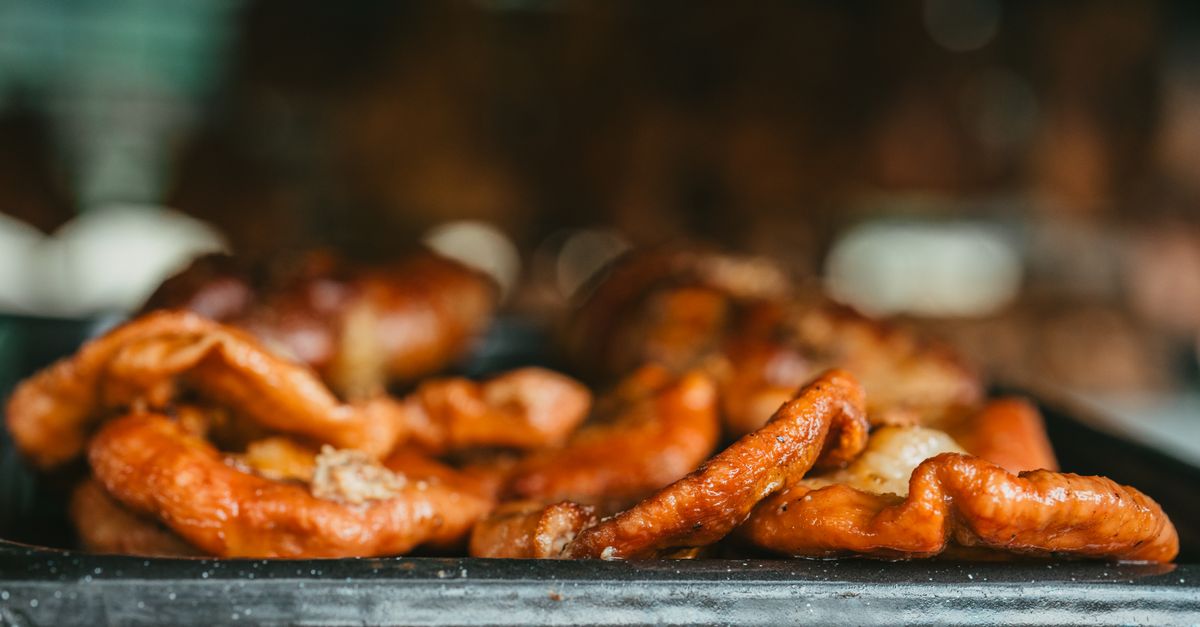
Smoked reindeer meat is one of Lapland's most important traditional preservation foods — whole cuts of reindeer, cured in salt and then cold-smoked over birch wood for days or weeks until the exterior develops a dark, intensely flavored crust and the interior is preserved against the brief summer warmth. The smoking both preserves the meat and transforms its flavor: the birch smoke adds a distinctive sweet-resinous character that is specifically Nordic and specifically appropriate for the lean, delicate reindeer muscle.
Smoked reindeer appears in thin slices as a cold starter, incorporated into salads, served warm with reindeer fat and flat bread as a traditional meal, or eaten directly from a bag as a hiking snack — the most utilitarian and most authentic application. The texture is firmer than fresh reindeer, the flavor more concentrated and more complex from the salt curing and smoke, and the protein content per gram is very high — making it genuinely functional as a hiking and outdoor activity food in the way that a Sámi herdsman would have relied on it during the winter migrations.
Smoked reindeer is sold at markets, specialty food shops, and directly from reindeer herders throughout Lapland. The Arctic market at Rovaniemi's town center has dedicated vendors selling smoked reindeer in various formats — whole joints, sliced portions, and snack-sized dried pieces. For the finest smoked reindeer with the most direct Sámi production connection, the food shops in Inari and the northern communities sell product from herders who smoke their own reindeer using traditional methods and birch wood harvested locally.
Smoked reindeer (100g sliced package) costs EUR 6–18 depending on producer and quality. A whole smoked joint costs EUR 40–100. At restaurants as a starter, EUR 12–24 for a serving with accompaniments. The dried snack version (sámi-style dried reindeer, similar to jerky) costs EUR 4–8 for a small bag and is the most portable and most purely flavored application — ideal as a hiking snack or as a supplement to trail lunches in the fell environment.
7. Salmon Soup (Lohikeitto)
Lohikeitto — Finnish salmon soup — is arguably the most refined and most beloved soup in Finnish cuisine, and the version made in Lapland with wild-caught or locally farmed salmon from the northern rivers achieves a quality that the standard restaurant version in southern Finland cannot match. The soup combines salmon chunks with potatoes, leeks, cream, and fresh dill in a clean, lightly seasoned broth that manages to be simultaneously rich from the cream and light from the delicate fish — a combination that requires careful calibration and premium fish to achieve correctly.
The key is the salmon: the fat content of wild or semi-wild salmon from cold Arctic rivers is higher and more evenly distributed than farmed salmon from southern aquaculture operations. When the salmon chunks are added to the hot broth and allowed to just barely cook through, the fat renders slowly into the surrounding liquid, creating a subtle enrichment of the broth that cream and butter alone cannot replicate. The dill added at the last moment provides freshness that prevents the richness from becoming heavy. The potatoes provide starch that thickens the soup naturally as they cook.
Lohikeitto is found at virtually every restaurant in Lapland and throughout Finland as a standard offering. The quality differential is primarily the salmon source — restaurants that use salmon from the salmon rivers of northern Lapland (the Teno, the Tornio) produce the finest version. Wilderness lodges and fishing camps that serve freshly caught salmon in their lohikeitto are in a different category from any restaurant offering, however good. For the most accessible restaurant version in Rovaniemi, Arctic Restaurant Nili is consistently cited for their northern salmon sourcing and commitment to regional ingredients.
Lohikeitto at a restaurant costs EUR 16–26 as a main course. The soup arrives with a slice of dark rye bread and butter — the bread is not optional garnish but an essential part of the eating, used to absorb the cream-enriched broth at the bottom of the bowl. The dill should be added fresh just before service — dried dill or dill added too early loses the aromatic freshness that makes the soup's herb note work. A bowl of correctly made lohikeitto on a cold day is deeply restorative in a way that only specifically right food in specifically right conditions manages to be.
8. Rye Bread (Ruisleipä)
Finnish rye bread (ruisleipä) is not a side dish or a bread basket item — it is a fundamental part of the Finnish food culture that deserves to be experienced as a primary rather than secondary element. The Finnish sourdough rye tradition produces a bread of extraordinary density, deep earthiness, and a slight sourness from the long fermentation that distinguishes it from the lighter rye breads of Central Europe. In Lapland, rye bread is eaten at every meal, used as an eating implement for soups and stews, and as a canvas for the region's exceptional butter and toppings.
The flat crispbread version (näkkileipä — Finnish hardtack) that dries on wooden racks in traditional Finnish kitchens is the traveling form — incredibly dense, shelf-stable for months, intensely flavored from the fermented rye, and satisfying in a way that calorie-dense, nutrient-rich foods developed for harsh environments consistently are. The soft sourdough version (hapatettu ruisleipä) requires fresh eating and is at its finest within hours of baking — the crust crackles, the interior is chewy and moist, and the flavor is the full expression of the fermented rye culture that requires weeks of maintenance to keep alive.
Rye bread is available everywhere in Lapland — at every restaurant as the standard bread, at every supermarket in pre-packaged form, and from the local bakeries in Rovaniemi and the smaller towns that bake daily. The Fazer bakery brand provides the most consistent commercial version; the artisan bakeries in Rovaniemi's market area make fresh-baked versions that are perceptibly better. For the crispbread tradition, buying a bag at a local market and carrying it as a hiking snack with smoked reindeer and cloudberry jam is the most Lapland-appropriate usage.
Fresh sourdough rye bread at a bakery costs EUR 4–9 per loaf. A bag of crispbread (näkkileipä) costs EUR 3–7. The best pairing for Lapland rye bread: fresh butter from Finnish dairy, thin slices of smoked reindeer, and cloudberry jam — a combination that encapsulates the entire regional food culture in three ingredients on one slice. Do not eat Lapland food with wheat bread unless specifically necessary; the rye is the correct vehicle for every northern Finnish preparation.
9. Finnish Coffee Culture (Kahvikulttuuri)
Finland consumes more coffee per capita than any other country in the world — approximately 12 kilograms per person per year, nearly three times the global average. In Lapland, where the dark winters last eight months and the cold is genuinely extreme, coffee is not a morning ritual but a continuous thread running through the entire day. Coffee breaks (kahvitauko) are legally mandated in Finnish workplaces; offering coffee to a guest is the primary expression of hospitality; and the practice of drinking coffee while eating a sweet pastry (pulla — a cardamom-spiced sweet roll) in front of a fire is as culturally central to Lapland life as reindeer herding.
Finnish filter coffee — brewed light and drunk in large quantities — is the standard preparation. Espresso culture is less developed outside the major southern cities, but in Lapland's wilderness lodges and fell cafés, coffee quality has improved dramatically as local cafés have adopted specialty coffee approaches while maintaining the Finnish preference for volume. The most memorable coffee experience in Lapland is not at a sophisticated café but in a kota or wilderness shelter, brewed over an open fire in a classic Finnish aluminum percolator (sahrami), drunk from a tin cup while the fire provides the only warmth in an Arctic landscape.
Fell cafés (tunturikahvila) throughout Lapland serve coffee with pulla and local berry pastries in settings that range from modest mountain huts to architecturally ambitious sky-view buildings. The Luostotunturi fell café, accessible by gondola from Luosto ski resort, serves coffee with cloudberry cake at the fell summit — an eating experience where the setting and the ingredients together create something more than either achieves independently.
Coffee at a restaurant or café costs EUR 2.50–4.50 per cup. Finnish pulla (cardamom bun) costs EUR 2–5 at bakeries. A wilderness kota coffee experience (included in adventure tours) costs EUR 40–100 per person with the activity. The pulla that accompanies coffee in Finnish culture should be cardamom-scented, slightly sweet, and braided or twisted — the cardamom is the essential flavor, and Finnish pulla without it is not Finnish pulla.
10. Sámi Traditional Foods (Saamelaisruoka)
The Sámi people — the indigenous inhabitants of Sápmi, the territory that crosses northern Norway, Sweden, Finland, and the Kola Peninsula of Russia — have food traditions that predate Scandinavian settlement by thousands of years and that represent an extraordinary depth of ecological knowledge translated into culinary practice. The traditional Sámi diet was based primarily on reindeer (every part of the animal was used: meat, organs, marrow, blood, fat, and the partially digested stomach contents), fish from the fell lakes, and the wild plants, berries, and mushrooms of the Arctic environment.
Contemporary accessible Sámi food experiences include: dried reindeer meat and fat eaten together (suovas — a traditional preparation of lightly smoked reindeer), blood soup (verikeitto) made from reindeer blood with barley and fat — a preparation that is nutritionally extraordinary for cold environments but is rarely encountered in tourist contexts, and the traditional cooking inside a kota around an open fire where everything is cooked directly in the flames or in cast iron vessels hung over them. The fire itself — birch wood from the surrounding forest — contributes flavor to everything cooked in it.
The Sámi cultural experiences available in Finnish Lapland provide access to traditional food — Siida Museum in Inari has a café serving Sámi-inspired preparations; the reindeer farm experiences throughout Lapland include traditional food demonstrations; and some Sámi community members offer genuine traditional cooking experiences as part of cultural tourism that benefits their communities directly. Approaching Sámi food as cultural engagement rather than novelty tourism is both more respectful and more likely to produce a genuine experience.
Sámi-influenced menu items at restaurants in Inari cost EUR 15–28 for main dishes incorporating traditional ingredients. Cultural experience packages that include traditional food preparation cost EUR 60–150 per person. The most honest expression of Sámi food culture is not available in a restaurant format — it lives in the community itself and in the family traditions that have continued for thousands of years. Approaching with genuine curiosity and appropriate reverence is the correct orientation.
Lapland's Essential Food Neighborhoods
Rovaniemi (Gateway City): The capital of Finnish Lapland and the main arrival point has the widest range of restaurants, from tourist-facing Santa Claus-themed dining rooms to serious Nordic cuisine restaurants. The market (kauppahalli) in the city center is the best single location for tasting and buying Lapland food products — smoked reindeer, cloudberry products, lingonberry preserves, and rye bread from multiple local producers. Arctic Restaurant Nili and Restaurant Sky Kitchen are the city's most respected dining addresses for genuine northern ingredients.
Inari (Northern Sámi Territory): Three hours north of Rovaniemi at the shores of Lake Inari, the town of Inari is the administrative and cultural center of the Finnish Sámi community and the most authentic location for Sámi food traditions. The Siida Museum's café serves Sámi-influenced food; the Wilderness Hotel Nellim nearby provides an accommodation experience where the food directly reflects the surrounding fell and lake environment. Arctic char from Lake Inari itself appears on menus here at a freshness unavailable in the south.
Saariselkä / Kakslauttanen (Fell Wilderness): The fell wilderness south of Inari has the highest concentration of wilderness lodges and Northern Lights experiences. The glass igloo accommodations here include breakfasts with Lapland specialties — cloudberry jam, reindeer preparations, rye bread from local bakeries. The fell cafés accessible by ski or snowshoe during winter and by hiking trail in summer provide coffee and cloudberry cake in a setting that is the full expression of the Arctic food experience.
Practical Eating Tips for Lapland
Budget guidance: Lapland is expensive by any global standard. A restaurant meal in Rovaniemi costs EUR 20–40 per person for a main course without drinks. The wilderness experience packages (kota dinner, reindeer herding, ice fishing with cooking) cost EUR 60–150 per person. Supermarket self-catering with Lapland products (rye bread, smoked reindeer, cloudberry jam) costs EUR 25–40 per day. The overall food budget for Lapland is EUR 40–80 per day for comfortable eating without premium wilderness experiences.
Seasonal access and transport: Much of Lapland's best food experience requires leaving the town centers. Wilderness lodges, fell cafés, and reindeer farm experiences are accessible by organized tour (most comfortable), rental car (most flexible), or snowmobile during winter. Without private transport or an organized tour, the food experience in Lapland is limited to the restaurants of Rovaniemi and Saariselkä, which are good but do not represent the full depth of what the region produces. Transport is not optional — it is the precondition for genuine food exploration.
Dietary notes: Lapland's traditional food is heavily meat and fish-based, which reflects the environmental reality of surviving in an Arctic ecosystem rather than a philosophical choice. Vegetarian and vegan travelers will find their options limited at traditional restaurants — the main options are mushroom-based dishes, soup preparations, and dairy-heavy Finnish café food. The cloudberry and lingonberry dessert traditions are entirely plant-based and extraordinary by any standard. Being clear about dietary requirements when booking wilderness lodges allows kitchens to prepare plant-based alternatives that are genuinely good rather than afterthoughts.


