
Ibiza Food Guide: What to Eat and Where to Find It
Ibiza's food scene is a genuine reflection of its culture, geography, and history rather than a performance staged for tourist consumption. The local cuisine draws on centuries of tradition, regional ingredients, and the kind of culinary knowledge that passes from grandmother to grandchild in family kitchens long before it reaches restaurant menus. Street food stalls, market vendors, and family-run restaurants all contribute to a dining landscape that rewards curiosity and an adventurous palate. The best meals here are often the simplest ones, made with exceptional ingredients treated with the respect they deserve.

Bullit de Peix
Bullit de Peix (€12-18) — The essential Ibiza dish that every visitor should try at least once, ideally at a family-run restaurant where the recipe has been refined over generations rather than adapted for international palates. Made with locally sourced ingredients that reflect the region's geography and agricultural traditions, this dish captures the essence of the culinary culture in a single plate. The preparation is deceptively simple but the execution requires genuine skill honed over years of daily cooking. Can Caus serves one of the city's most respected versions in a setting that has barely changed in decades, with worn wooden tables and handwritten menus that change with the market and the seasons.
Sofrit Pages
Sofrit Pages (€3-6) — A beloved local specialty found at bars and restaurants throughout Ibiza, this dish reflects the region's agricultural heritage and the resourcefulness of home cooks who learned to make extraordinary food from humble, affordable ingredients. The flavour profile combines elements that seem simple individually but create something greater than their parts when combined with the right technique and the right quality of raw materials. Best enjoyed with a glass of local wine or beer at a neighbourhood bar where the unhurried pace of service defines the dining culture and rushing through a meal is considered borderline offensive.
Flao
Flao (€3-6) — A regional classic that locals order without thinking but visitors often overlook in favour of more familiar international options listed lower on the menu. This is a genuine mistake worth correcting. The combination of textures and flavours is unique to Ibiza and its surrounding region, making it impossible to replicate elsewhere no matter how skilled the chef or how expensive the ingredients. Es Torrent does a particularly excellent version that draws neighbourhood regulars who return daily and would notice immediately if the recipe changed even slightly.
Guisat de Marisc
Guisat de Marisc (€3-5) — Street food at its finest, found at market stalls, corner shops, and casual eateries throughout the old town wherever locals gather during breaks from work or shopping. Cheap, deeply satisfying, and best eaten standing up or perched on a stool at the counter watching the cooks work with practiced efficiency. The apparent simplicity of the preparation belies the considerable skill required to get the seasoning, temperature, timing, and texture exactly right every single time the dish is prepared throughout a long service day.
Greixonera
Greixonera (€12-18) — A showcase dish for the region's finest ingredients, prepared with minimal intervention and maximum respect to let the quality of the raw materials speak for itself without being masked by heavy sauces or excessive seasoning. Seasonal availability means this dish is genuinely best between specific months when the key ingredient is at its peak, so ask your server about timing and do not hesitate to order something else if the season is wrong. S'Ametller sources directly from local producers and small-scale farmers for the freshest possible version available anywhere in the city.
Ensalada Payesa
Ensalada Payesa (€3-6) — A regional specialty that visitors rarely encounter outside of Ibiza and its immediate surroundings, making it a genuine culinary discovery for those willing to step beyond the familiar. The recipe dates back centuries and reflects the cultural influences, trade routes, and ingredient availability that make this region's cuisine distinct from the rest of the country. Best enjoyed as part of a larger spread of shared dishes with friends, cold local drinks, and the kind of unhurried conversation that transforms a simple meal into a memorable evening.
Local Bread & Bakery Specialties
Local Bread & Bakery Specialties (€3-5) — The local bakery tradition deserves attention beyond the main dishes. Every neighbourhood has its preferred bakery where fresh bread, pastries, and regional specialties emerge from the oven throughout the morning. The best strategy is to arrive before 9am when selection is widest and the aromas are most intoxicating. Ask for whatever is freshest and eat it immediately, standing outside the shop with crumbs on your shirt and absolutely no regrets about the calorie count.
Market Grazing Plate
Market Grazing Plate (€3-6) — The central market offers the best opportunity to assemble a personal grazing plate from multiple vendors: cured meats from one stall, olives and pickled vegetables from another, fresh bread from the bakery counter, and local cheese from the specialist dairy vendor. Combine these with a glass of regional wine from the market bar and you have a lunch that costs half of what a restaurant charges while offering twice the variety and authenticity of a single kitchen's output.
- Eat where locals eat. If a restaurant is empty at peak dining hours while the one next door has a queue, follow the queue. Tourist menus with multiple languages and photos are almost always a sign of mediocre food at inflated prices.
- The local set lunch menu (where available) offers the best value: typically three courses with a drink for €12-18. Available at neighbourhood restaurants on weekday lunchtimes, this is how working locals actually eat.
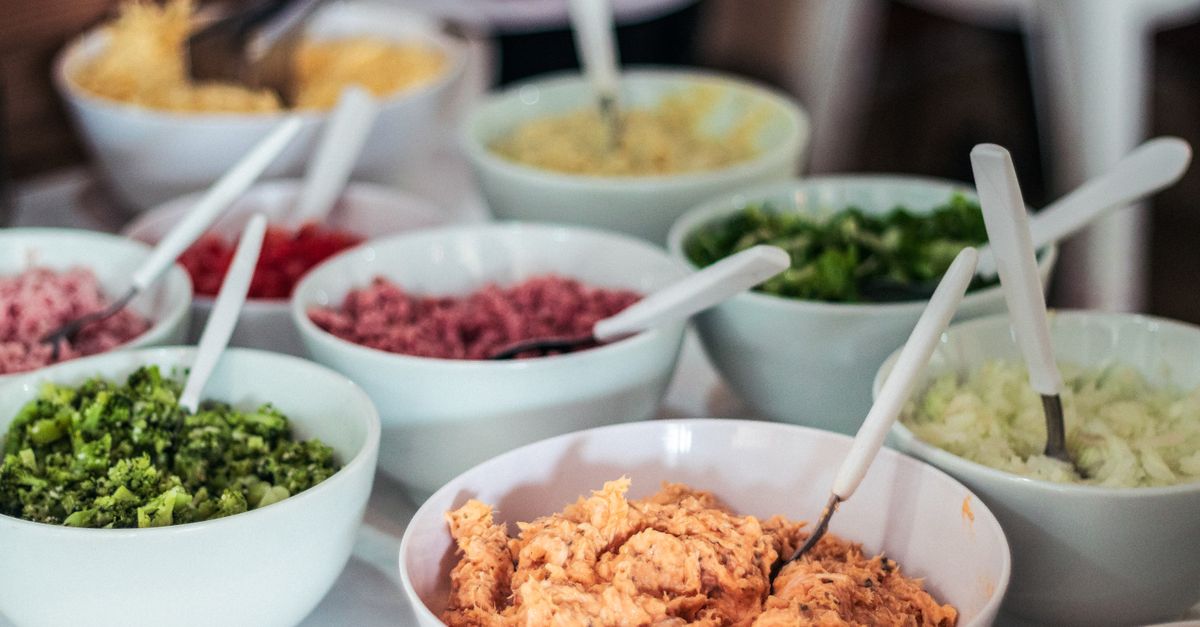
Where to Eat: Dalt Vila: Traditional Dining
The historic centre has the highest concentration of restaurants but also the highest risk of tourist traps. Stick to side streets away from the main square and look for places where staff do not stand outside recruiting. Can Caus has been serving traditional dishes since before tourism arrived and maintains standards that locals demand. Budget €12-18 per person with drinks.
Where to Eat: La Marina: Creative & Contemporary
The city's most exciting food neighbourhood, where young chefs are reinterpreting traditional recipes with modern techniques and global influences. Es Torrent leads the charge with a constantly evolving menu that reflects what is fresh at the market that morning. Wine bars and craft beer spots provide excellent options for grazing between meals. Budget €12-18 per person.
Where to Eat: Santa Gertrudis: Local & Affordable
Off the tourist trail, this residential neighbourhood is where Ibiza's best value dining hides in plain sight. Family-run restaurants serve generous portions of home-style cooking at prices that reflect local wages rather than tourist budgets. S'Ametller is a neighbourhood institution where the owner knows every regular by name and the daily specials are written on a chalkboard that changes with the seasons. Budget €3-6 per person.
Drinks & Nightlife: Eating and Drinking After Dark
Ibiza's international reputation rests entirely on its nightlife, but most visitors miss the layer of drinking culture that existed before the superclubs arrived and continues alongside them — the hierbas seco tradition, the bar-to-bar evening passeig, and the village square aperitivo rituals that define how islanders actually socialize after dark.
Hierbas ibicencas is the island's native liqueur and the drink that separates locals from tourists more reliably than anything else on a menu. Made from wild herbs including rosemary, thyme, juniper, chamomile, and up to twenty other plants depending on the producer, it comes in two styles: seco (dry, more anise-forward, around 26% ABV) and dulce (sweet, closer to an amaro, 24% ABV). The seco version is drunk as a digestivo after meals, poured neat in a small glass and sipped slowly. Can Rich distillery near Sant Mateu sells bottles direct (€12-18) and offers informal tours by appointment. Every traditional restaurant will offer hierbas at the end of a meal — accept it.
The evening social ritual in Ibiza Town (Eivissa) and in village squares across the island follows a structure centuries old. The passeig begins around 7 PM when families, couples, and groups drift toward the main square to occupy chairs at outdoor cafes and bars. In Dalt Vila, the small bars along the Plaça de la Vila fill with local professionals unwinding with a cervesa (small draft beer, €2.50-3.50) or a vermut (vermouth over ice with an olive, €4-6). This hour-long aperitivo window — before tourists flood in from the beach resorts around 9 PM — is when the island feels most genuinely itself.
For wine, the Can Maymó and Can Rich estates produce small quantities of Ibicenco wine from Monastrell and local grape varieties. Neither is widely exported — drinking a glass at a village restaurant means drinking something you genuinely cannot find elsewhere. Ask specifically for vi de la terra (wine from the land) rather than accepting a mainland Spanish pour by default. Prices are comparable: €3.50-5 per glass at a good restaurant.
The beach bars (chiringuitos) along Cala Bassa, Cala Comte, and Ses Salines operate at a different pitch from the town bars — louder, pricier, and calibrated for visitors. A caipiroska at Cala Bassa Beach Club costs €14-18; the same drink at a Santa Gertrudis village bar costs €7. Both have their place, but understanding the difference prevents sticker shock. The sunset ritual at Café del Mar in Sant Antoni — the original, not the franchise — costs nothing beyond the price of a drink and delivers a west-facing sea view that has made philosophers of unprepared tourists for forty years.


