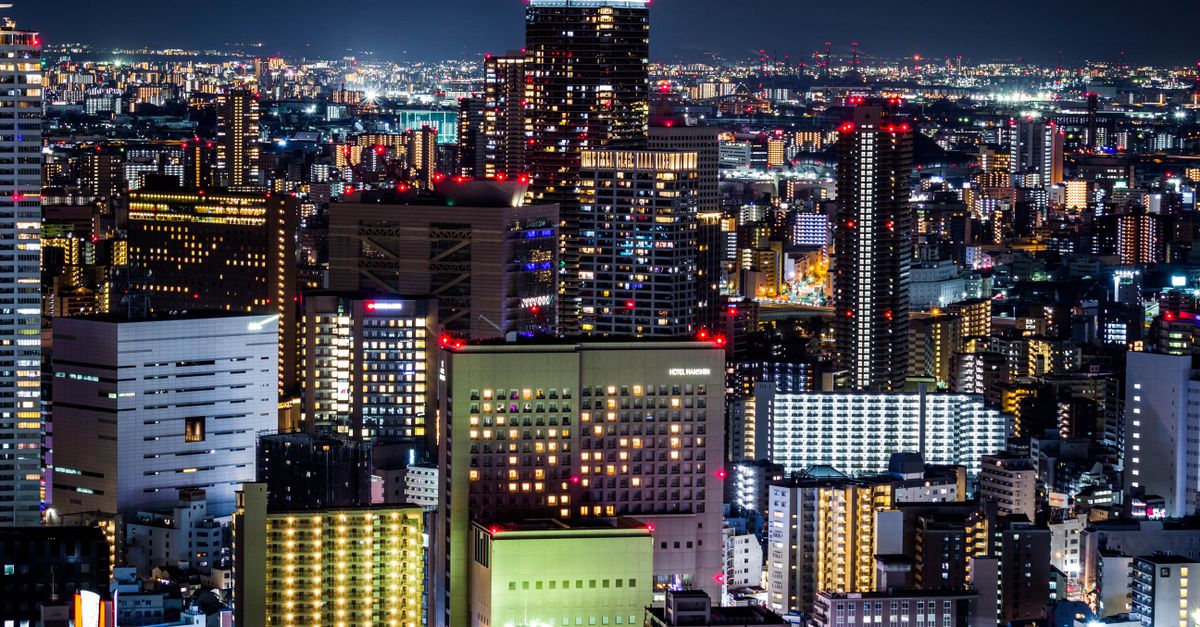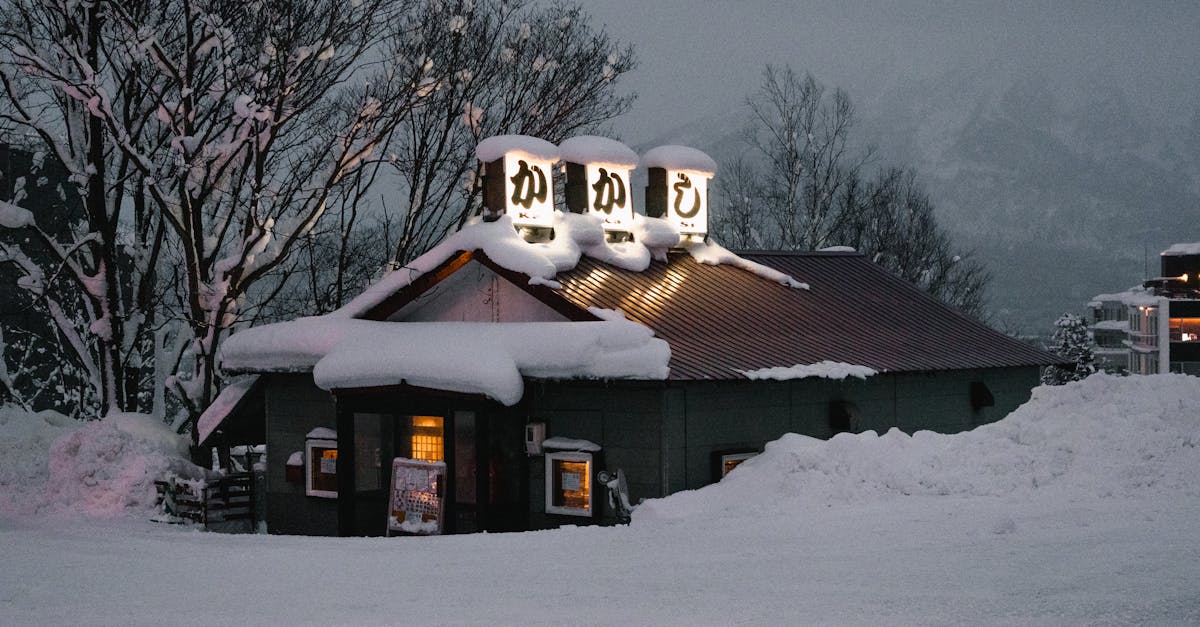
Hokkaido is Japan's final frontier and its most remarkable food island. The northernmost of Japan's four main islands — closer to Russia's Sakhalin Island than to Tokyo — has a food culture of breathtaking abundance that reflects its unusual position as Japan's agricultural heartland and premier seafood source simultaneously. While the rest of Japan is densely cultivated on terraced hillsides, Hokkaido has space: vast dairy farms producing Japan's finest butter, cheese, and milk; potato and corn fields extending to the horizon; and surrounding cold seas teeming with king crab, hairy crab, sea urchin, scallops, and Pacific salmon of international quality. The island is essentially a cold-climate food paradise.
The central food paradox of Hokkaido is that an island best known internationally for its ski resorts and natural beauty has a food culture sophisticated enough to hold its own against Tokyo's restaurants — and in specific categories (fresh crab, sea urchin, Sapporo ramen, fresh dairy) arguably surpasses anything the capital can offer. The city of Sapporo, Hokkaido's capital and Japan's fifth-largest city, developed its own ramen tradition (the world-famous Sapporo miso ramen) and its own dining scene that benefits from the extraordinary ingredient quality surrounding it. Eating well in Hokkaido requires minimal effort and maximal appetite.
The seasonal dimension of Hokkaido food culture is extreme compared to the rest of Japan. Hairy crab season (June and July), king crab season (autumn and winter), sea urchin season (June through August on the Shakotan coast), salmon season (autumn), and the dairy calendar that produces different cheese and butter qualities throughout the year — a foodie's ideal Hokkaido trip is planned around seasonal peaks rather than weather windows. The best food calendar for a single visit is the Hokkaido summer-to-early-autumn period (July through October), when crab, sea urchin, and salmon overlap with agricultural peak season.

10 Must-Try Dishes in Hokkaido
1. Sapporo Miso Ramen (味噌ラーメン)
Sapporo miso ramen is Japan's most distinctive regional ramen style and the dish that elevated Hokkaido's food reputation nationally in the 1960s when it became a national sensation. Developed at a small Sapporo restaurant called Aji no Sanpei in 1955, it uses a thick, deeply flavored miso broth (typically a blend of white and red miso, often with lard added for richness) enriched with garlic, ginger, and sesame paste, combined with curly, thick wheat noodles (designed to hold up to the rich broth and stand on their own rather than immediately absorbing it), and topped with corn, butter, bamboo shoots, bean sprouts, green onion, and a slice of chashu pork. The corn and butter — both quintessentially Hokkaido — are the signature elements that no other regional ramen includes.
The miso broth achieves a depth that simple soy-sauce or pork-bone broths cannot — the fermented soybean character, the caramelized depth from the fried aromatics (garlic and ginger are typically stir-fried in lard before the broth is added), and the butter's fatty richness create a soup that is simultaneously the most filling and the most flavor-complex ramen in Japan. The curly noodles are designed specifically for this application — their texture holds at the soup's weight and their spring provides resistance that flat noodles lack.
The Sapporo Ramen Republic on the tenth floor of the Esta shopping complex near Sapporo Station is the most concentrated ramen experience available in the city — eight of Hokkaido's most celebrated ramen shops occupy the space, with all-day queues and the ability to compare styles within a single visit. Aji no Sanpei, the original miso ramen restaurant on Minami-Nijo, remains the historical address. Keyaki ramen in Susukino (the entertainment district) is the contemporary local consensus choice for quality.
Sapporo miso ramen costs ¥900 to ¥1,600 at specialist restaurants. The corn and butter topping should be added at the beginning rather than the end — the butter needs time to melt into the hot broth and the corn needs to heat through. The correct order of eating: taste the broth first before noodles or toppings, understand the miso character, then eat noodles with toppings in combination. The broth at the bottom of the bowl, richened by the dissolved butter and the miso's sediment, is worth drinking directly after the solids are finished.
2. Kegani (毛ガニ — Hairy Crab)
Hokkaido's hairy crab (kegani — literally "hair crab") is the crustacean that food obsessives travel specifically to eat. The kegani is a medium-sized deep-sea crab (Erimacrus isenbeckii) with a characteristically dense covering of fine hairs on its shell — bizarre in appearance and spectacular in eating quality. The crab's body fat (kanimiso, 蟹味噌) is extraordinary: a bright orange, intensely flavored crab liver and fat paste that Hokkaido people eat directly from the shell or mixed with the white claw meat. The combination of sweet, clean crab flesh and the deeply rich, slightly bitter kanimiso creates one of the most complex flavors in Japanese seafood.
Hairy crab is typically served simply boiled (茹でガニ — yude gani) or steamed, which preserves the kanimiso in its pure state — other preparations (grilled, with sauces) alter the kanimiso's delicate flavor. A whole kegani, split at the table, is eaten with fingers and specialized crab tools to extract every fragment of meat from the small, numerous leg sections, then finished by scooping the kanimiso directly with a small spoon or mixing it with sake in the empty shell. It is messy, time-consuming, and completely absorbing.
The hairy crab season is June through August — outside this window, quality declines significantly and the price rises as availability drops. The Sapporo fish market Nijo Ichiba (二条市場) and Curb Market (場外市場) near Sapporo Station sell live hairy crabs in season. The waterside restaurants of Otaru (forty minutes from Sapporo by rail) are the most atmospheric setting for crab dining, with live tanks visible from the dining room and the crab cooked to order.
Hairy crab costs ¥3,000 to ¥8,000 per crab depending on size and season. This is the most expensive item in this guide and the one most worth paying. A single kegani per person is sufficient as a substantial component of a multi-course meal. At the fish market, buying a live crab and having it cooked on-site is both the freshest option and slightly less expensive than a restaurant order. Ask the market vendor to cook it steamed rather than boiled if you have the option — the texture of the meat is slightly more defined.
3. Uni Don (ウニ丼 — Sea Urchin Rice Bowl)
Uni don — a bowl of steamed Japanese short-grain rice topped with fresh, raw sea urchin (uni, 雲丹) roe — is the dish that creates Hokkaido pilgrimages for Japanese food enthusiasts. Hokkaido sea urchin — particularly from the Shakotan Peninsula's crystal-clear waters, from Rishiri Island, and from the Nemuro coast — is considered the finest in Japan and probably in the world. The roe has a sweetness, delicacy, and ocean-freshness that sea urchin from other regions simply doesn't match, and the rice bowl format — which places maximum uni front-and-center without distraction — is the correct vehicle for appreciating this quality.
Good Hokkaido uni has a sweet, almost melting quality — it should be barely set, creamy in texture, and taste primarily of cold, clean seawater with a slight mineral depth. Any bitterness indicates poor quality, old stock, or preservation with alum (a common commercial practice that extends shelf life but ruins flavor). The Shakotan mursaki uni (purple sea urchin) has the most delicate flavor; the bafun uni (horse dung sea urchin — the name is more charming in Japanese context) has a richer, more assertive character. Both are exceptional; trying both on consecutive days provides instructive comparison.
The Sapporo Central Wholesale Market's adjacent restaurant area serves uni don for breakfast — the freshest possible uni, served as morning market food in the Japanese tradition, costs ¥3,500 to ¥8,000 depending on the quantity and quality grade. In Otaru's seafood market district, the standing sushi bars in the covered market serve fresh uni over rice for immediate consumption at market-direct prices. The June-August season produces the finest uni; pre-ordering at fish market restaurants the day before ensures the best available grade on the day of eating.
Uni don costs ¥2,500 to ¥6,000 at a serious Hokkaido restaurant. A premium bowl with double or triple the standard uni quantity (for those who want to truly appreciate the ingredient) costs ¥5,000 to ¥12,000. This is not a tourist price — it reflects the genuine cost of the ingredient at its source. Buy the best grade you can afford and eat it as the main event of a Hokkaido meal rather than as a side dish alongside other expensive items. The uni's delicacy requires undivided attention.
4. Jingisukan (ジンギスカン — Hokkaido Lamb Barbecue)
Jingisukan — named after Genghis Khan in a romantically imprecise reference to Mongolian barbecue culture — is Hokkaido's signature barbecue dish and one of the most distinctive eating experiences in Japan. Thin-sliced lamb and mutton are grilled on a distinctive convex cast-iron grill (designed so fat runs off the sides rather than dripping into the flame) over charcoal or gas, eaten dipped in a sweet-soy-based tare sauce with finely julienned raw onion and grated daikon radish. The combination of the lamb's slight gaminess, the sweet sauce, and the pungent raw onion produces a flavor that is emphatically northern Japanese and unlike any other Japanese barbecue style.
Hokkaido is Japan's only significant sheep-farming region, which explains why jingisukan developed uniquely here — the rest of Japan has essentially no lamb tradition. The Hokkaido sheep graze on the vast pastures that the island's space allows, producing lamb with a flavor that is lighter than New Zealand or Australian equivalents due to the specific grasses and climate. The tradition uses both fresh lamb (fresh jingisukan, considered superior) and marinated frozen lamb (which is cheaper and has its own devotees for the deeper, more seasoned flavor the marinade provides).
Sapporo's jingisukan temple is Daruma (だるま) restaurant in Susukino district — open since 1952, with a cooking setup that has been the reference for every jingisukan restaurant that followed. The restaurant's intimate scale (twelve seats) and the quality of their fresh lamb creates a twenty-minute wait on any evening, which is worth it entirely. Beer Garden jingisukan events at the Hokkaido Shrine in July are the most social and atmospheric version of the dish — thousands of people eating lamb on outdoor grills under the summer sky.
Jingisukan at Daruma costs ¥1,800 to ¥2,800 per person for a satisfying meal. At beer garden events, ¥2,000 to ¥3,500 per person with unlimited beer included in some packages. Order fresh lamb rather than the marinated version for the definitive Hokkaido lamb experience; the tare sauce and raw vegetables provide sufficient seasoning without the marinade obscuring the meat's quality. Pair with Sapporo Draft (the regional beer, brewed in the city since 1876) for the most Hokkaido-appropriate combination.
5. Ikura Don (イクラ丼 — Salmon Roe Rice Bowl)
Hokkaido's salmon roe — ikura (イクラ), from the Russian "ikra" — is among the finest in Japan, produced from the Pacific salmon (mainly chum salmon, sake) that return to Hokkaido's rivers in autumn for their spawning run. The roe is brined in a mixture of soy sauce, mirin, and sake that lightly seasons without obscuring the roe's own rich, oceanic flavor. Good Hokkaido ikura has roe that are individually intact, with a characteristic gentle resistance followed by a release of the liquid interior — they should "pop" without being tough. The flavor is clean, briny, slightly sweet, and deeply satisfying over hot Japanese short-grain rice.
The salmon roe season is primarily September through November during the salmon run, and fresh-season ikura don in this period is categorically superior to the year-round version made from frozen or imported roe. The fresh roe is lighter in color (the brining process darkens them over time), more delicate in flavor, and has the specific marine freshness that distinguishes the just-brined from the stored version. Eating ikura don in Hokkaido in October at a fish market adjacent restaurant, with roe from salmon caught that morning, is one of the definitive Japanese food experiences.
The Nijo Ichiba fish market in Sapporo and the fish markets of Kushiro, Nemuro, and Shiretoko on the eastern Hokkaido coast are the optimal locations for fresh-season ikura don. The standing sushi counters within these markets serve it to local fishermen and market workers from 6 AM — the quality at this hour and at these unpretentious market venues is the highest available, and the price is lower than at tourist-facing restaurants.
Ikura don costs ¥1,500 to ¥3,500 depending on the quantity of roe and the season. The premium for fresh-season roe (September to November) over year-round frozen product is meaningful — approximately thirty percent higher in price but significantly better in quality. A mixed bowl of ikura and uni (sea urchin) over rice — the combination that Hokkaido people consider the definitive single-bowl luxury — costs ¥3,000 to ¥6,000 at a quality market restaurant and is entirely worth the expenditure.
6. Yuki No Chiizu Keki (雪のチーズケーキ — Hokkaido Cheesecake)
Hokkaido dairy — the butter, cream, and milk produced from the island's Friesian cattle grazing on vast northern pastures — is the foundation of Japan's finest Western-style baking and confectionery tradition. Hokkaido cheesecake (北海道チーズケーキ) is made from Hokkaido cream cheese (significantly higher fat content than mainland Japanese or imported equivalents) baked into a dense, rich, slightly tangy cake that has become one of Japan's most beloved gift confectioneries. The texture is somewhere between New York cheesecake and a Japanese cotton-soft cake — dense and creamy but lighter than the American version, with a clean dairy flavor that makes each bite refreshing rather than heavy.
The Hokkaido dairy difference is immediately apparent compared to cheesecakes made from standard commercial cream cheese. The higher fat content produces a richness and a longer-lasting creaminess on the palate, and the freshness of the Hokkaido milk — from dairy operations that supply milk processed within twenty-four hours of milking — gives the finished cake a milk-sweet quality that aged or long-transported dairy lacks. This is cheesecake at its most ingredient-dependent.
TUBER (ツバル) in Sapporo's Odori area is one of the most respected Hokkaido cheesecake producers, with seasonal fruit variations using local Hokkaido strawberries, melon, and blueberry alongside the classic plain version. Hori confectionery and Rokkatei (六花亭) are the most widely distributed Hokkaido confectionery brands, available throughout the island at airports, stations, and shops — and reliably excellent quality at accessible prices. Rokkatei's Marusei Butter Sandwich (マルセイバターサンド) — a butter cookie sandwich with a Hokkaido cream and raisin filling — is Japan's most beloved regional confectionery gift.
A Hokkaido cheesecake from a quality confectionery shop costs ¥1,800 to ¥4,500 for a whole cake. Individual slices at café settings cost ¥450 to ¥850. Rokkatei Marusei Butter Sandwiches cost ¥120 to ¥160 each, available in gift boxes of various sizes. These are among the most appropriate Hokkaido food souvenirs — they represent the dairy tradition authentically, they travel reasonably well, and they are genuinely appreciated by Japanese recipients as regional specialty gifts.
7. Kani Ryori (カニ料理 — King Crab Preparations)
Hokkaido's king crab (タラバガニ tarabagani) and snow crab (ズワイガニ zuwaigani) are the apex of Japanese shellfish culture, available at their finest from the northern Hokkaido fishing ports of Wakkanai, Rausu, and the Nemuro coast. King crab legs — enormous, thick, and filled with sweet white meat — are prepared in several classic Hokkaido ways: boiled and served cold with ponzu, grilled over charcoal until the shell chars and the meat caramelizes slightly, made into crab shabu-shabu (briefly cooked in hot dashi broth), or used as the primary flavor element in crab miso soup (かにの味噌汁).
Snow crab (zuwaigani) is smaller and more delicate in flavor than king crab but more complex in its internal fat structure — the bright orange crab fat and roe within are more generous than king crab's. Snow crab season (November through March) produces the finest examples: cold, just-caught, the shells still firm. The peak month is February, when Hokkaido snow crab commands extraordinary prices at Tokyo fish markets but is available at source in the fishing ports at a fraction of the capital's markups.
The most atmospheric crab dining experience in Hokkaido is at one of the crab restaurants in Otaru's harbor district, where tanks of live crab are visible from the dining room and the crab is chosen by the customer from the tank. Kanimidori (かに道楽) on Eki-mae Dori in Sapporo is the city's most famous crab restaurant chain. For the freshest-possible crab experience, driving or taking a bus to one of the northern fishing port restaurants (Rausu or Monbetsu) during peak season produces the finest available.
Crab dinner at a Hokkaido crab restaurant costs ¥5,000 to ¥15,000 per person depending on the type and quantity of crab. The "all-inclusive crab feast" set menus (かにのコース kani no kōsu) at specialist restaurants offer the best value — multiple preparations of a full crab for a fixed price. King crab grilled over charcoal is the preparation that shows the meat's quality most clearly; book specifically for this preparation at restaurants that offer it.
8. Soft Ice Cream (ソフトクリーム — Dairy Culture)
Hokkaido soft-serve ice cream (ソフトクリーム — sofuto kuriimu) is a cultural and agricultural statement as much as a dessert. The milk that produces Hokkaido's soft serve is from the island's enormous dairy herds — the cows graze on verdant, uncrowded pastures in a way that is simply not possible in Japan's more densely farmed regions — and the fat content and freshness of this milk produces a soft-serve ice cream of richness and dairy depth that mainland Japanese soft serves lack. Visitors from the rest of Japan make special trips to Hokkaido specifically for soft serve, which should indicate how different the product is.
The flavor options have expanded significantly in recent decades: plain dairy (the definitive version), lavender (from the famous lavender fields of Furano), Hokkaido melon (bright green, intensely flavored from Yubari and Furano melon), black sesame, and salt caramel are the most commonly encountered varieties. The melon version, made with real Hokkaido melon rather than flavoring, is extraordinary — the melon's sweetness and musky fragrance concentrated into a cold, dairy-rich form. But the plain dairy version first, always.
Soft-serve ice cream is available everywhere in Hokkaido — at farm shops, at tourist attractions, at road stops (道の駅 michi no eki) throughout the island's agricultural areas, and at numerous Sapporo confectionery shops. The dairy farm shops in the Niseko and Tomamu ski resort areas have particularly high-quality milk soft serve. Any farm shop advertising "Hokkaido milk" soft serve is using genuinely local milk; the ¥400 to ¥700 price is standard across the island.
Hokkaido soft-serve ice cream costs ¥350 to ¥700 depending on the flavoring and the vendor. Eat it outdoors — the July and August Hokkaido summer, when temperatures rarely exceed 28°C even in Sapporo, is the ideal temperature for soft serve without the melting problem that affects the same product in Osaka in August. The famous "shiroi koibito" (白い恋人) cookie from Hokkaido, a langue-de-chat sandwich with white chocolate, is the other essential Hokkaido dairy confectionery experience and the most purchased souvenir from the island.
9. Hokkaido Soup Curry (スープカレー)
Soup curry is a Sapporo invention from the 1970s that has become Hokkaido's second great ramen-challenger comfort food — a thin, fragrant curry broth rather than a thick stew, poured around a central mound of rice with various accompaniments (large pieces of chicken, potato, carrot, eggplant, and pumpkin, all separately cooked to retain their individual textures) arranged decoratively around the bowl. The curry broth is spiced more like a Southeast Asian curry than a Japanese curry — fragrant with lemongrass, galangal, and whole spices in addition to the Indian-derived curry spice base that Japanese curry normally uses.
The soup curry concept solves a genuine problem with thick Japanese curry: the roux-based thick curry obscures the vegetable and protein components, whereas the thin curry broth reveals them. Each piece of chicken retains its own texture; each vegetable has been cooked separately to its individual ideal doneness; the broth carries the complex spice profile without the starchiness of thick curry. Eating soup curry requires a different technique — you spoon broth over each rice bite rather than stirring everything together.
Soup curry restaurants in Sapporo are concentrated in Susukino and the university district south of the city center. Lavi in Minami-Ichijo is consistently rated as one of the top soup curry restaurants and handles the spice base with particular complexity. Garaku (ガラク) in Nijo Ichiba area is the most accessible address near the fish market for a combined market and soup curry experience. The spice level can be adjusted from level 1 (mild) to level 10 (genuinely fiery) at most establishments — level 4 or 5 is the point where the complex spice character is fully expressed without the heat obscuring it.
Soup curry costs ¥1,200 to ¥2,200 depending on the protein choice and additions. The chicken thigh version is the canonical preparation; the seafood version (with Hokkaido crab or scallops in the broth) is more expensive and more impressive for the ingredient quality. The size of the vegetable pieces distinguishes Sapporo soup curry from other interpretations — the half-potato, the whole baby eggplant, the large kabocha pumpkin cube — these are generous, proud portions of excellent Hokkaido produce.
10. Zangi (ザンギ — Hokkaido Fried Chicken)
Zangi is Hokkaido's version of karaage (Japanese fried chicken) but marinated more aggressively and fried in larger pieces — the marinade of soy sauce, ginger, garlic, sake, and sesame oil penetrates deeper in the zangi preparation because the pieces are larger and the marinade time is longer. The result is a fried chicken with a more pronounced seasoning and a slightly more robust exterior crust than standard karaage. Hokkaido people claim zangi as their own regional preparation, and the restaurants in Kushiro (where the dish originated in the 1960s) make it with a specificity and confidence that justifies the regional claim.
The name "zangi" is of uncertain etymology — possibly from "zankara," a Chinese-influenced term in the Kushiro dialect for deep-fried food, or from the Chinese "炸鸡" (zhá jī, fried chicken) brought to Hokkaido through fishing community cultural exchange with Sakhalin. Whatever the origin, the result is distinctly Hokkaido: larger, more deeply marinated, and frequently served with the cooking chef's specific additional seasoning rather than the generic ponzu sauce that karaage is universally paired with.
Zangi is available at izakaya (Japanese pub-style restaurants) throughout Hokkaido and at dedicated zangi restaurants in Kushiro and Sapporo. The Zangi specialty restaurant Tori Tori (鳥鳥) in Sapporo's Susukino serves a particularly good version using free-range Hokkaido chicken. At izakaya throughout the island, zangi is always on the menu as a reliable crowd-pleasing dish. The Kushiro version, eaten at the original restaurant in the fishermen's neighborhood of Nusamai, is the most historically grounded version.
Zangi at an izakaya costs ¥600 to ¥900 for a serving of five to six pieces. As a main dish at a dedicated restaurant, ¥1,200 to ¥1,600 for a full serving with rice and miso soup. Eat it hot, directly from the fryer — the crust softens quickly and the interior juices redistribute as it cools. Dip in the accompanying sauce (typically a ginger-soy-based sauce rather than the standard Japanese lemon-and-soy) or eat plain. The quality of the Hokkaido chicken means the second option is entirely satisfying.

Hokkaido's Essential Food Areas
Sapporo Central and Susukino — the city's main food zone — contains the ramen shops, jingisukan specialists, soup curry pioneers, and izakaya that represent the full range of Sapporo food culture. Susukino, the entertainment district south of Odori Park, has the highest concentration of good-quality restaurants and is the correct area for evening eating from 6 PM onward. The Sapporo Ramen Republic at Esta shopping center provides a comprehensive ramen overview without requiring restaurant research.
Nijo Ichiba (二条市場) and Curb Market, both near Sapporo Station, are the city's fish and produce markets with adjacent restaurants serving the freshest possible seafood. These are the locations for morning sea urchin don, salmon roe breakfast, and fresh crab directly from the tank. Market hours are approximately 6 AM to 6 PM; the best eating at the adjacent restaurants starts at 7 AM when the first deliveries have been processed. Both markets are tourist-accessible and local simultaneously.
Otaru, forty minutes from Sapporo by JR express, is the most atmospheric food destination for a day trip — a preserved Meiji-era canal city with a concentrated seafood restaurant and sushi district. The Otaru Canal seafood restaurants serve outstanding sushi and crab in historic warehouse settings. The standing sushi bars in the covered Sankaku Market serve market-direct seafood for significantly lower prices. Otaru's glassware artisan tradition also produced the tradition of eating sushi from custom glassware that distinguishes the best Otaru sushi experiences.
Practical Eating Tips for Hokkaido
Daily food budget in Hokkaido: ¥3,000 to ¥5,000 (approximately USD 20 to USD 35) for a day of excellent eating including ramen, market seafood, soft serve, and convenience store provisions for snacks; ¥8,000 to ¥20,000 for days focused on premium crab, sea urchin don, and formal restaurant dining. The island's food costs are meaningfully lower than Tokyo for equivalent quality, and the seafood in particular is significantly less expensive at its source than at capital city restaurants. JR Hokkaido Pass: the JR Hokkaido rail pass (available for foreign visitors) covers most major routes on the island and is the most economical way to access the fish port towns that provide the highest-quality and lowest-priced seafood. A seven-day pass costs approximately ¥20,000 and covers the Sapporo-Otaru-Hakodate axis as well as routes to Kushiro and Abashiri in eastern Hokkaido. Convenience store culture: Hokkaido's convenience stores (7-Eleven, Lawson, FamilyMart) carry regional specialty products — Hokkaido milk, Hokkaido butter sandwiches, Hokkaido melon products — that are genuinely good and significantly cheaper than tourist shop equivalents. A convenience store "hokkaido milk onigiri" (rice ball made with Hokkaido dairy rice) costs ¥200 to ¥300 and represents the dairy tradition accessibly. Winter food note: Hokkaido in winter (December to March) has its own food calendar — miso ramen becomes more important, hot pot (nabe) seasons are peak, and crab prices peak as supply decreases. The snow-covered farms and iced harbors create a different but equally compelling food context from the summer abundance.