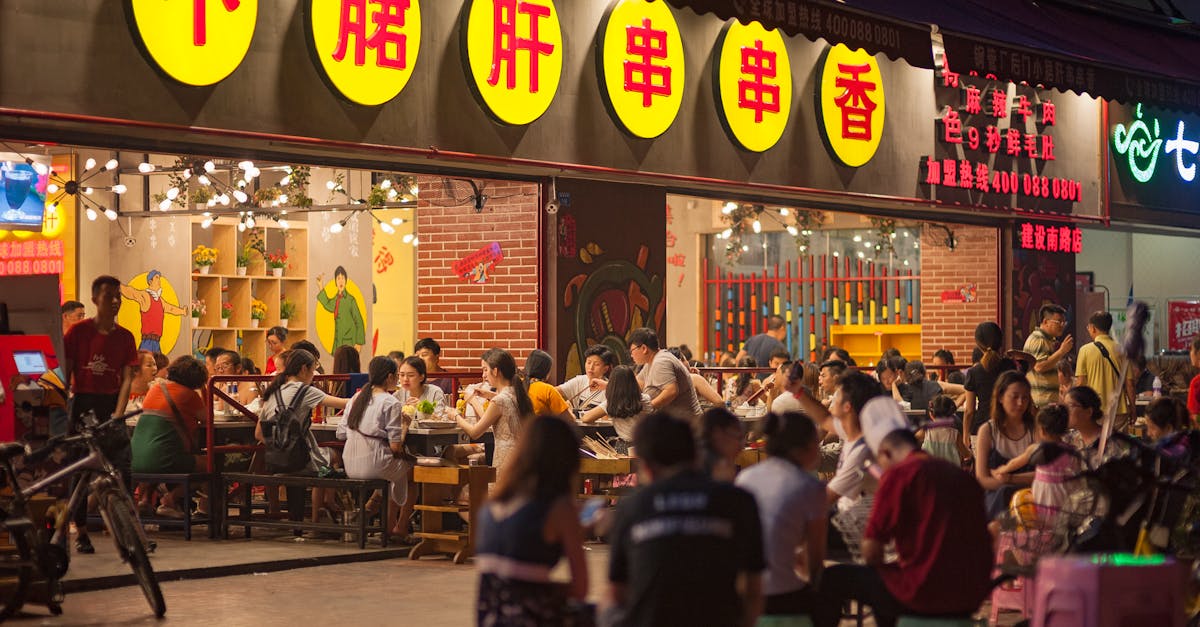
The food culture in Guilin reflects centuries of regional tradition refined by generations of cooks who specialize in single dishes. The street food scene offers the most authentic and affordable eating, while restaurants provide comfort and variety. Eating here is a cultural experience as much as a culinary one — the rituals of ordering, seasoning, and sharing reveal local values.

Must-Try Dishes
1. Guilin Rice Noodles (Mifen) — CNY 8-15
Guilin's daily obsession — round rice noodles in a clear broth with sliced pork, pickled beans, peanuts, and chili oil. Every neighborhood has its champion noodle shop. Chongshan Lao Mifen near the train station is legendary (CNY 8-15). Customize with extra chili, pickled bamboo, and a marinated egg.
2. Beer Fish (Pi Jiu Yu) — CNY 60-100
Yangshuo's famous dish — fresh Li River fish braised in beer with tomatoes, peppers, garlic, and ginger. The beer tenderizes the fish and creates a tangy sauce. Best at Yangshuo's West Street restaurants (CNY 60-100 for a whole fish). Confirm the price before ordering.
3. Stuffed Li River Snails — CNY 10-20
River snails stuffed with a mixture of minced pork, herbs, and chili, then steamed in the shell. A Guilin street snack that's messier and more fun than it sounds. CNY 10-20/plate from night market vendors. Suck the filling from the shell with force.
4. Oil Tea (You Cha) — CNY 10-20
A savory tea made from pounded tea leaves, ginger, garlic, and peanuts, mixed with puffed rice and fried soybeans. An ethnic minority (Dong and Yao) tradition common in the Longji rice terrace area. CNY 10-20/bowl. Bitter, warming, and completely unique.
5. Yangshuo Banana Pancake — CNY 5-10
A backpacker-trail classic — thin crepes filled with banana and honey, cooked on a street griddle. CNY 5-10 from West Street vendors. Simple, sweet, and the taste of Yangshuo's traveler culture since the 1980s.
6. Dried Bamboo Shoots with Pork — CNY 25-40
Guilin's most traditional home-style dish — dried bamboo shoots reconstituted and braised with pork belly. The smoky, slightly bitter shoots absorb the pork fat beautifully. Available at local restaurants for CNY 25-40.
Where to Eat
City Center — Convenient & Diverse
The tourist center has English menus, air conditioning, and familiar service. Useful for your first meal and when you need comfort, but not where the best food lives. Budget CNY30-80 per person.
Local Neighborhoods — Authentic Flavors
Ten minutes from tourist zones, restaurants serve local families. Prices drop, authenticity rises, and the food improves. Language barriers exist but enthusiasm for sharing food transcends words. Budget CNY15-40 per person.
Markets & Street Food — Best Value
Morning and evening markets offer the cheapest, freshest food. Point at what looks good, watch what locals order, and eat standing or at communal tables. Budget CNY8-25 per person for a full meal.

Eating Culture in Guilin
Chinese dining is communal — dishes are ordered for the table, not for individuals, and placed on a lazy Susan or in the center for sharing. The host (or the person who invited) typically orders and pays. When dining with Chinese friends, expect a tug-of-war over the bill — offering to pay is polite, insisting three times is expected, and ultimately the inviter pays.
Chopstick etiquette matters: don't point with them, don't tap your bowl (it's associated with begging), and don't stand them vertically in rice. It's acceptable to hold your rice bowl close to your mouth and push rice in with chopsticks. Tea is refilled constantly — leaving the lid off your teapot signals the waiter for more water.
Chinese menus can be overwhelming — dozens to hundreds of dishes. Use Dianping (China's Yelp) to see what's popular at each restaurant. Photo menus are increasingly common. At hotpot restaurants, the waiter will help with ordering quantities. At dim sum restaurants, tick your selections on a paper order form — the carts of food are becoming less common as digital ordering replaces them.
Street food and market food in China is safe and excellent. The stalls with the longest lines have the best food and the highest turnover (freshest cooking). Avoid pre-cooked food sitting at room temperature for extended periods. Morning markets (6-9 AM) and night markets (6-10 PM) are the peak street food times.
Food by Neighbourhood
Guilin's food geography divides roughly between the tourist-facing centre, the local residential belt around the city's main arteries, and the dramatically different eating culture of Yangshuo, 65 kilometres south along the Li River — a full culinary universe away from its parent city despite the short distance.
In central Guilin, the Zhengyang Pedestrian Street area and the blocks around the Two Rivers and Four Lakes scenic zone are the most accessible starting points. Prices here run 20-40% above local averages, but the concentration of food stalls, the evening crowds, and the proximity to the lakeside parks make it convenient for first evenings. Guilin mifen shops along Zhengyang stay open from 6 AM until 10 PM and serve noodles for CNY 8-12 — even here, the local noodle shops are good value by any standard.
For the most authentic experience in Guilin proper, head to Wanfu Road and the surrounding residential streets north of Elephant Trunk Hill. This is where off-duty taxi drivers and market traders eat — handwritten menus on red paper, plastic stools, and zero English signage. Stir-fry restaurants here charge CNY 20-35 for a plate of wok-fried greens with garlic or river fish in pickled chili sauce. The beer fish appears on nearly every menu, noticeably cheaper (CNY 50-70) than the Yangshuo version catering to tourists.
The Nanhuan Road night market, open from 6:30 PM until midnight, is Guilin's best evening food street for variety and local atmosphere. Snail vendors, skewer stalls, cold tofu, and three or four dedicated mifen shops occupy a three-block stretch. The stuffed river snails here cost CNY 10-15 and the vendor will offer you gloves and a toothpick to work through them. Sit at the outdoor plastic tables under the string lights and watch the city unwind after dark.
In Yangshuo, the food geography splits between West Street (tourist-oriented, inflated prices, English menus, beer fish at CNY 80-100) and the local lanes off Pantao Road and Xianqian Street, where the same beer fish costs CNY 55-70 and the restaurant owner personally knows the Li River fisherman who caught it that morning. The Yangshuo County Market, held on the 4th, 14th, and 24th of each month, draws farmers from the surrounding Zhuang minority villages selling wild herbs, dried mushrooms, and smoked meats that appear nowhere in the tourist restaurants. Arrive before 9 AM.
Around the Longji Rice Terraces (90 minutes by bus), the Zhuang and Yao minority villages operate small guesthouses that serve home-cooked meals using terraced-rice, preserved meats, and wild-foraged ingredients. A dinner at a Ping'an village guesthouse — bamboo rice, smoked pork, stir-fried fern tips — costs CNY 40-60 per person and is unlike anything available in Guilin city. Book a night at the terraces partly for the scenery, partly for the food.
Planning Your Food Exploration
The most rewarding food experiences come from planning meals around the local eating schedule rather than forcing your own rhythm onto a foreign city. Most Asian cities eat early — breakfast stalls open at dawn and close by 9 AM, lunch service peaks at noon and ends by 2 PM, and dinner starts at 5-6 PM. Night markets and street food stalls offer the best evening options, typically running from 6 PM until 10 PM or later.
Budget allocation matters. Spend 30-40% of your food budget on one memorable meal — a signature local restaurant, a cooking class, or a fresh seafood dinner. Allocate the rest to street food, markets, and casual local restaurants where the authentic flavors live. This strategy ensures you taste both the refined and the everyday versions of the local cuisine without breaking the bank.
Photography etiquette at food stalls and small restaurants varies by culture. In most of Asia, photographing your food is completely normal and even expected. Photographing the cook or the stall itself — ask first with a smile and gesture. Most vendors are flattered; a few prefer not to be photographed. In sit-down restaurants, photograph freely but be discreet about photographing other diners.
Food allergies and dietary restrictions require preparation. Write your restrictions in the local language (Google Translate helps) and show the note at each restaurant. Common allergens like peanuts, shellfish, and gluten appear in unexpected places — soy sauce contains wheat, fish sauce is in many Thai and Vietnamese dishes, and peanuts appear in Indonesian, Malaysian, and Chinese cooking. Communicate clearly and ask about ingredients rather than assuming from the menu description.
The single best food investment in any Asian city is a cooking class. For 5-50, you'll visit a local market, learn 4-6 dishes hands-on, and gain techniques that let you recreate the flavors at home. The market tour alone — learning to identify local herbs, spices, and produce — transforms your understanding of the cuisine for every subsequent meal during your trip.


