Buenos Aires Food Guide: Asado, Empanadas & the Art of Argentine Eating
Argentina's relationship with food is intimate, ritualistic, and centered on one thing above all else: beef. Buenos Aires consumes more steak per capita than almost any other city on Earth, and the quality is extraordinary — grass-fed cattle from the Pampas produce meat with flavor that grain-fed beef cannot match.
But Buenos Aires is not a one-trick city. Italian immigration gave Argentina its pasta, pizza, and gelato traditions. The dulce de leche obsession touches every dessert. And the empanada — Argentina's perfect portable food — comes in regional variations that inspire fierce loyalty.
The Essential Dishes
Asado
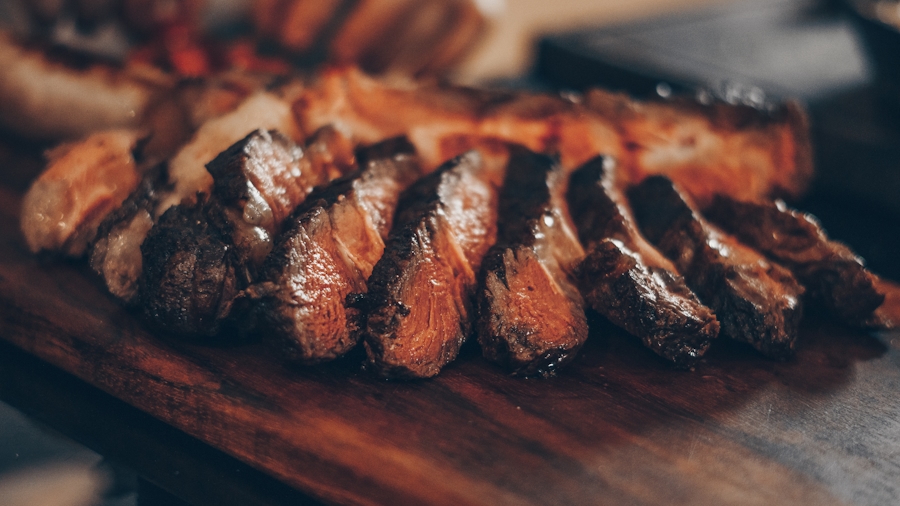
Asado is more than grilled meat — it's Argentina's national ritual. A proper asado starts with provoleta (grilled provolone cheese with oregano), moves through chorizo and morcilla (blood sausage) on bread as appetizers, and then the main event: massive cuts of beef slow-cooked over wood embers for hours.
The essential cuts to know: bife de chorizo (sirloin, the most popular steak cut), ojo de bife (ribeye, richest marbling), entraña (skirt steak, intensely beefy), vacio (flank, leaner but flavorful), and tira de asado (short ribs, cut across the bone Argentine-style). Order your steak jugoso (medium-rare) for the best flavor — bien cocido (well-done) is socially acceptable but will earn a quiet sigh from the parrillero.
Where to Eat Asado
La Cabrera in Palermo is the famous tourist pick — enormous steaks with small complimentary side dishes covering the table. Expect waits of 45-60 minutes on weekends. Bife de chorizo runs ARS 18,000-25,000 ($18-25). The quality is consistent and the portions are absurd.
Don Julio in Palermo is the critic's choice — regularly ranked among the world's best restaurants. Their dry-aged meats and in-house aging program produce steaks with deeper, more complex flavors. Two people with wine: ARS 60,000-90,000 ($60-90). Reservations are essential.
For budget asado, every neighborhood has a parrilla libre (all-you-can-eat grill) for ARS 8,000-15,000 ($8-15) per person including salad bar, sides, and unlimited meat brought to your table. The quality varies, but places like Gran Parrilla del Plata in San Telmo deliver legitimate asado at accessible prices.
Empanadas
Argentina's perfect food: a half-moon of dough filled with meat, cheese, ham, or vegetables, then baked or fried. Every province has its own style — Buenos Aires empanadas tend to be baked with a thin, flaky crust. The classic carne (beef with onion, cumin, and hard-boiled egg) is the benchmark.
El Sanjuanino in Recoleta serves empanadas from the San Juan province tradition — spicier, with more cumin, fried to a golden crisp. ARS 1,500-2,500 ($1.50-2.50) each. Order four or five with a cold Quilmes beer. La Cocina in San Telmo bakes excellent empanadas for ARS 1,200-2,000 ($1.20-2) each — try the carne suave (mild beef) and humita (corn and cheese).
Choripan
A chorizo sausage split and grilled, served on crusty bread with chimichurri sauce. This is Argentine street food at its purest — you'll find choripan at football matches, street fairs, and roadside stands. The Costanera Sur (the riverside road near Puerto Madero) has legendary choripan stands charging ARS 3,000-5,000 ($3-5). The secret is the chimichurri — every stand has their own recipe of parsley, garlic, oregano, oil, and vinegar.
Dulce de Leche
Argentina's caramelized milk spread appears in everything: alfajores (sandwich cookies), ice cream, pancakes, medialunas, cakes, and eaten directly from the jar with a spoon. The rivalry between Havanna and Cachafaz brands is genuine — Argentines have opinions. Havanna alfajores from any kiosk (ARS 1,500-3,000 / $1.50-3 per box) make excellent souvenirs.
Medialunas
Argentine croissants, but sweeter and glazed with sugar syrup. They come in two styles: de grasa (made with lard, savory) and de manteca (made with butter, sweet). Cafe culture in Buenos Aires revolves around medialunas and cafe con leche — the standard breakfast order at any confiteria. A dozen medialunas from a panaderia costs ARS 3,000-5,000 ($3-5).
Where to Eat
Don Julio (Palermo)
The restaurant that put Buenos Aires on the global fine dining map. The wine list focuses exclusively on Argentine Malbec from small producers. The provoleta starter is legendary — grilled until bubbling, served with a drizzle of honey. Reservations book weeks ahead; walk-ins queue from 7 PM for cancellation seats. Two people with a bottle of Malbec: ARS 70,000-100,000 ($70-100).
La Cabrera (Palermo)
The steak experience that overwhelms. The table fills with 10-12 small complementary side dishes before your steak arrives. Portions are designed for the Argentine appetite, which means they're enormous by any other country's standards. Bife de chorizo for one: ARS 18,000-25,000 ($18-25). The wait on Friday and Saturday nights can reach 90 minutes — put your name in, walk to a nearby bar, and they'll call.
Cafe Tortoni (Centro)
Buenos Aires' most famous cafe, operating since 1858. The interior is all dark wood, stained glass, and marble tables. It's touristy — locals will tell you there are better cafes — but the atmosphere is genuinely historic. A cafe con leche and a slice of torta costs ARS 5,000-8,000 ($5-8). Tango shows in the basement (ARS 15,000 / $15) run nightly at 8 PM.
Pizza & Pasta: The Italian Legacy
Buenos Aires-style pizza looks nothing like Italian or American pizza. It's thick-crusted, drowning in cheese, and often eaten with faina — a thin chickpea-flour flatbread placed on top. Fugazzeta (onion pizza without tomato sauce, double cheese) is the signature style. Guerrin on Avenida Corrientes and El Cuartito in Tribunales have been serving these monster slices since the mid-20th century. A slice and a moscato (sweet wine): ARS 3,000-5,000 ($3-5).
Fresh pasta at neighborhood restaurants is an Argentine Sunday tradition. Ravioles de ricotta, sorrentinos (large stuffed pasta), and noquis (gnocchi) — eaten specifically on the 29th of every month, when money is tight before payday. Placing a coin under your plate on noqui day brings good luck. A plate of fresh pasta with sauce: ARS 8,000-14,000 ($8-14).
Price Guide
| Meal | Budget | Mid-Range |
|---|---|---|
| Breakfast (medialunas + coffee) | ARS 3,000 ($3) | ARS 6,000 ($6) |
| Empanadas (4-5) | ARS 6,000 ($6) | ARS 10,000 ($10) |
| Pizza slice + faina | ARS 3,000 ($3) | ARS 5,000 ($5) |
| Steak dinner with wine | ARS 15,000 ($15) | ARS 35,000 ($35) |
| Choripan (street) | ARS 3,000 ($3) | ARS 5,000 ($5) |
Sweet Treats & Desserts
Argentina's dessert culture is anchored entirely in dulce de leche, the thick caramelized milk paste that appears in almost every sweet preparation in the country. But Buenos Aires has built an elaborate ecosystem around this obsession, and exploring it reveals the Italian and Spanish roots that shaped Argentine pastry culture over 150 years of immigration.
Heladería (ice cream) culture in Buenos Aires rivals anything in Italy. The Italian immigrant community brought gelato-making traditions that evolved into something distinctly Argentine — denser, sweeter, and layered with dulce de leche in combinations that have no Italian counterpart. Freddo on Avenida Santa Fe and Volta in Palermo are the benchmark chains (ARS 2,500-4,500 for a cone or cup), but independent heladerías throughout Palermo and Recoleta produce small-batch seasonal flavors. Tramontane in Palermo Soho makes dulce de leche with salted almonds and a chocolate chip variant layered with caramel that consistently draws queues on weekend afternoons.
The alfajor — two shortbread cookies sandwiching a thick layer of dulce de leche, then coated in chocolate or powdered sugar — is Argentina's signature snack and comes in wildly varying quality. Street kiosk versions (Havanna Classic, Jorgito) satisfy the basic craving at ARS 800-1,500 each. For something genuinely exceptional, Dulce Pecado in San Telmo makes fresh alfajores daily with a corn starch cookie that shatters on the first bite (ARS 2,500-3,500 each). El Moro on Avenida Corrientes does a triple-layer version filled with membrillo (quince paste) as well as the classic dulce de leche.
Confiterías — traditional Buenos Aires cafés focused on pastry — serve medialunas alongside tortas, cheesecake, and facturas (morning pastries). Confitería Las Violetas in Almagro, opened in 1884, has the most beautiful Belle Époque interior in the city — stained glass skylights, marble tables, and painted ceilings. A café con leche with a medialuna and a slice of lemon tart costs ARS 5,000-8,000 ($5-8). The experience is worth it even if the pastry quality is merely good rather than extraordinary.
Churros in Buenos Aires come as thick fried dough batons filled with dulce de leche and served with a small cup of thick hot chocolate for dipping. El Churrero de San Telmo on Defensa Street operates a small cart near the Sunday market (ARS 1,500-2,500 for a portion) and represents one of the most satisfying €2 equivalent experiences in the city. The combination of the fried exterior, the warm dulce de leche interior, and the bitter chocolate dipping sauce is precisely calibrated to be addictive.
Buenos Aires eats with passion, patience, and enormous portions. The asado tradition alone justifies the flight. But the Italian influence, the cafe culture, the empanada craftsmanship, and the dulce de leche obsession create a food city that rewards every meal. For more Argentine food traditions, explore Mendoza's wine and food scene in the foothills of the Andes.