Tbilisi — Budget Guide
Budget Guide

Tbilisi on a Budget — How to Visit Without Breaking the Bank

Tbilisi is one of the cheapest capital cities in Europe — if you even consider Georgia European, which is a debate...

🌎 Tbilisi, GE 📖 8 min read 💰 Budget budget Updated Jul 2026

Tbilisi on a Budget: GEL 80-150 Per Day

Tbilisi is one of the cheapest capital cities in Europe — if you even consider Georgia European, which is a debate Georgians enjoy having. A full day of sightseeing, three excellent meals, wine, and accommodation costs less than a single restaurant dinner in Paris or London. Budget travellers live like royalty here. Mid-range travellers live like aristocracy.

A realistic backpacker budget sits at GEL 80-120 per day. Mid-range comfort runs GEL 130-200. Both eat superbly, drink well, and see everything.

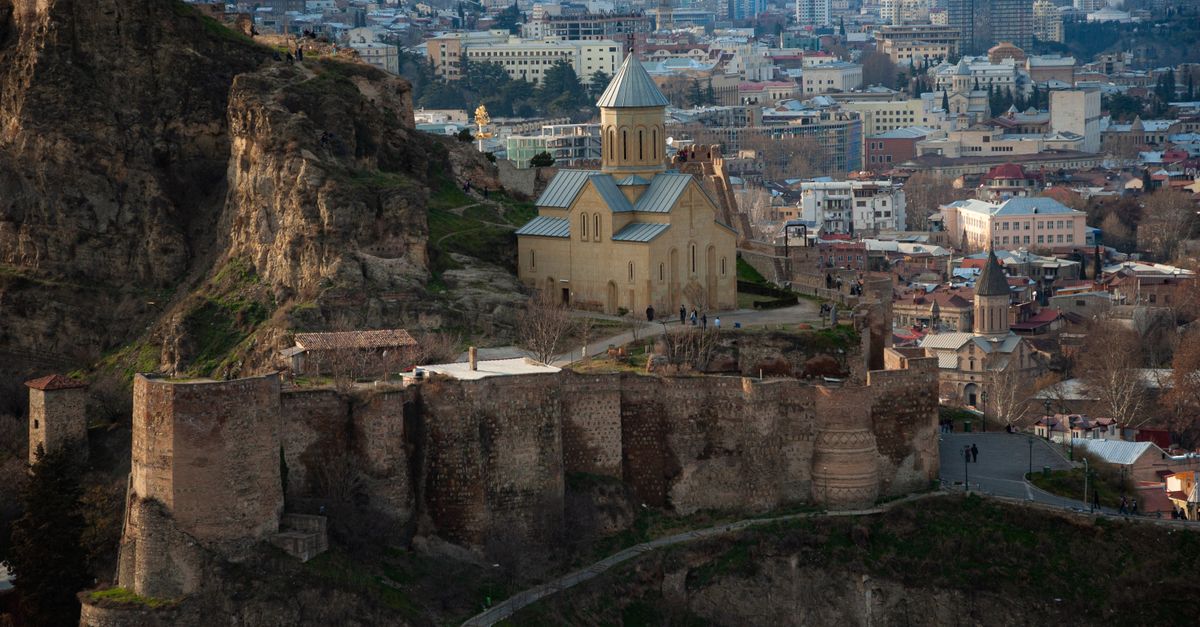
Panoramic view of Tbilisi Old Town from Narikala Fortress with Mtkvari River
Tbilisi from Narikala Fortress — the cable car ride up costs GEL 2.50. Most of the city's best views are free or nearly free.

Accommodation

Hostels: GEL 15-40 Per Night

Tbilisi has excellent hostels. Fabrika (GEL 20-35 per dorm bed) is both a hostel and a creative hub — the courtyard alone is worth staying for. Envoy Hostel on Shardeni Street (GEL 18-30) sits in the heart of the Old Town. Nest Hostel (GEL 15-25) on Barnovi Street is quieter and well-maintained. All include Wi-Fi and most include basic breakfast.

Guesthouses & Budget Hotels: GEL 50-120 Per Night

Tbilisi has hundreds of family-run guesthouses offering private rooms with breakfast for GEL 50-80 per night. These are often in residential apartments with a host family — you get home-cooked breakfast, local recommendations, and genuine Georgian hospitality. Search Booking.com for "guesthouse" and filter by the Old Town or Vera district for the best locations.

Budget hotels like Rooms Hotel Tbilisi offer design-forward spaces at GEL 100-180 — extraordinary value for the quality. Stamba Hotel, if you catch a deal, delivers luxury at GEL 200-300 that would cost four times more in Western Europe.

Airbnb value: Tbilisi Airbnb apartments are exceptionally cheap — entire apartments in the Old Town from GEL 40-80 per night. For groups of two or more, an apartment is often cheaper than two hostel beds and includes a kitchen. The traditional balcony apartments on Leselidze and Kote Abkhazi streets are the most atmospheric options.

Transport

Metro

Tbilisi's metro has two lines and covers the city's main corridors. A ride costs GEL 1 using a reloadable metro card (GEL 2 for the card, load credit at stations). The metro runs from 6 AM to midnight. Useful stops: Liberty Square (city centre), Rustaveli (avenue), Marjanishvili (Fabrika area), and Didube (for marshrutka departure to Mtskheta and beyond).

Bolt App

Bolt (similar to Uber) is the primary ride-hailing app. Rides within the city cost GEL 3-8 — absurdly cheap by any standard. A ride from the airport to the Old Town costs GEL 15-25. Bolt is safer and more reliable than hailing taxis on the street, where meters are rare and price negotiation is required. Download the app before arrival.

Walking

The Old Town, Rustaveli Avenue, and Marjanishvili are all walkable — the core tourist area spans about 3 kilometres. Tbilisi is hilly — comfortable shoes are essential. The climb from the river to Narikala Fortress is steep but the cable car (GEL 2.50, uses metro card) solves this. Walking is the best way to discover Tbilisi's hidden courtyards and balconied streets.

Free & Cheap Activities

Free

Walking the Old Town costs nothing and is the city's best activity. The Sioni Cathedral, Anchiskhati Basilica, and Metekhi Church are all free to enter. The Bridge of Peace and Rike Park are free. Walking the Abanotubani bath district — admiring the domed roofs and the cliff above — is free (the baths themselves cost GEL 5-150 depending on public vs. private). The Dry Bridge Flea Market (daily, best weekends) is free to browse.

Under GEL 15

The Narikala cable car (GEL 2.50 each way) and the botanical garden (GEL 4) are the cheapest attractions. The National Museum (GEL 15) is worth every lari for the gold Treasury alone. Open-air wine bars throughout the Old Town serve glasses from GEL 8 — effectively cheaper than a bus ride in most European cities.

Dry Bridge Flea Market in Tbilisi with Soviet-era antiques and paintings displayed
Dry Bridge Flea Market — Soviet medals, oil paintings, vinyl records, and curiosities from Georgia's past. Browsing is free; buying requires mild negotiation.

Eating on a Budget

Under GEL 10 Per Meal

Tone bakeries sell shotis puri (long bread, GEL 1-2), lobiani (bean bread, GEL 2-3), and Imeruli khachapuri (GEL 3-5). These are complete meals for under GEL 5. Khinkali from Pasanauri chain restaurants cost GEL 0.80-1.20 each — ten dumplings make a feast for GEL 8-12. Street food vendors sell fresh fruit, churchkhela, and grilled corn for GEL 1-3 per item.

GEL 10-25 Per Meal

Machakhela and Samikitno restaurants serve full Georgian meals — khinkali, salad, grilled meat, bread, and a beer — for GEL 15-25 per person. These are chain restaurants but quality is reliable and prices are local. Independent restaurants on side streets off Leselidze serve similar food at similar prices with more atmosphere.

Wine Budget

A bottle of excellent Georgian wine from a supermarket costs GEL 8-20. Restaurant wine by the glass starts at GEL 6-10. A litre of house wine at a casual restaurant costs GEL 10-15 — yes, an entire litre. Georgian wine is not a luxury item; it is a daily staple, priced accordingly.

Day Trips on a Budget

Mtskheta: GEL 5-20

Marshrutka from Didube station costs GEL 1 each way. Churches are free to enter. A Bolt taxi each way costs GEL 15-20. Lunch in Mtskheta at a local restaurant costs GEL 10-20. Total budget day trip: GEL 15-45.

Kakheti Wine Region: GEL 60-150

Organised day tours (GEL 60-120 per person, including transport, 3-4 wineries, and lunch) are the easiest option. Self-organised via marshrutka is possible but complicated with multiple transfers. A shared Bolt to Sighnaghi (GEL 40-60 each way, split among passengers) is an alternative — the town is beautiful and has free wine tastings at multiple cellars.

Currency tip: The Georgian Lari (GEL) trades at approximately GEL 2.70-2.80 to US$1, GEL 3.40-3.60 to £1, and GEL 2.90-3.10 to €1 as of 2025. ATMs (TBC Bank and Bank of Georgia are most common) dispense GEL with reasonable fees. Cards are widely accepted in restaurants and shops but carry cash for markets, bakeries, and marshrutkas.
CategoryBudget (GEL/day)Mid-Range (GEL/day)
AccommodationGEL 15-40GEL 60-120
FoodGEL 15-30GEL 40-70
TransportGEL 3-8GEL 10-20
ActivitiesGEL 5-15GEL 15-40
WineGEL 8-15GEL 15-30
Daily TotalGEL 46-108GEL 140-280
Street food vendor in Tbilisi selling churchkhela and fresh bread
Churchkhela and fresh bread from a Tbilisi street vendor — a complete snack for GEL 4-6. Georgian street food is cheap, fresh, and everywhere.

Tbilisi destroys the myth that European travel must be expensive. A city with 1,500 years of history, world-class food, ancient wine culture, and genuine warmth — all for less than GEL 100 per day. The only thing you cannot do cheaply in Tbilisi is leave without planning your return.

Money-Saving Tips for Tbilisi

Tbilisi is already cheap by any European or North American measure, but knowing where the money actually goes — and where it does not need to go — is the difference between GEL 80 days and GEL 50 days. The savings are real and require nothing more than a little local knowledge.

Time your meals like a local. Georgian families eat their main meal at midday, not in the evening. Restaurants respond accordingly — lunch portions are larger and set menus (business lunches) cost GEL 12–18 for soup, main, salad, and sometimes a drink. The same dish ordered at dinner costs GEL 20–30. Restaurants on and around Erekle II Street in the Old Town are particularly good value for midday sets. Eat a heavy lunch and a street-food dinner to cut your daily food bill by 30 percent without eating worse.

Supermarkets are your friends for breakfast and snacks. Carrefour on Rustaveli Avenue and the Spar chains across the city stock local yoghurt (matsoni, GEL 3–4), shotis puri bread (GEL 1–2), fresh fruit, and churchkhela (walnut-and-grape candy, GEL 2–5). A supermarket breakfast runs GEL 5–8 compared with GEL 15–25 at a cafe. Georgian mineral water — Borjomi, Likani, or Nabeghlavi — costs GEL 1.50–2 in a supermarket versus GEL 6–10 at a restaurant table.

Free wine is genuinely available in Tbilisi. Several wine bars and natural wine cellars in the Old Town offer complimentary pours during opening hours to attract buyers. Vino Underground on Galaktion Tabidze Street and Spirits of the Wolf near Marjanishvili both welcome browsers. Even if you buy a single glass (GEL 8–12), you will have tasted five or six wines by the time you decide. Wine festivals in spring and autumn (check the Tbilisi Tourism website for dates) offer unlimited tasting for an entry fee of GEL 15–25.

Use the metro card for everything it covers. The GEL 2 card fee is a one-time cost, and reloading before metro or cable car trips eliminates the need to buy tickets. Some bus routes (maршрутка minibuses, GEL 1) accept the card; others require exact cash. Bolt rides are so cheap that the marginal cost between walking 20 minutes and taking a Bolt (GEL 3–4) barely registers — but walking through the Old Town's hidden courtyards and carved wooden balconies is the experience itself, not the transportation to it.

Avoid the tourist-facing currency exchange booths near the Old Town entrance and on Rustaveli Avenue — their rates trail TBC Bank and Bank of Georgia ATMs by 3–5 percent. That difference costs GEL 15–25 on a GEL 500 withdrawal, enough for a good dinner. Withdraw larger amounts (GEL 200–300) less frequently to minimize per-transaction ATM fees.

💡 The Tbilisi City Pass (GEL 35–55 for 24/48 hours) covers the metro, cable car, botanical garden, and several museum entries. Do the arithmetic for your itinerary — if you plan to use the cable car, botanical garden, and National Museum on the same day, the pass pays for itself immediately.
First Time in Tbilisi → Tbilisi Hidden Gems →
JC
JustCheckin Editorial Team
Researched, written, and verified by travel experts. Last updated Jul 08, 2026.
COMPLETE TBILISI TRAVEL GUIDE

Everything you need for Tbilisi

Daily Budget — Tbilisi

Typical traveller costs · All figures in USD

🎒
$112
Budget/day
🏨
$280
Mid-range/day
$840
Luxury/day

💱 Georgian Lari (GEL) - 1 USD = 2.8 GEL

Culture & Etiquette

👗
Dress Code
Tbilisi is a conservative city, especially when visiting churches or mosques. Dress modestly by covering your shoulders and knees. Remove your shoes before entering a church or mosque. Avoid revealing clothing, especially in rural areas.
🤝
Local Customs
Greetings are an important part of Georgian culture. When meeting someone, use a handshake or a kiss on the cheek. Remove your shoes before entering a home. Respect the elderly and use formal titles (e.g., 'Mr./Mrs./Ms.') when addressing them. Learn a few basic Georgian phrases, such as 'გამარჯობა' (gamarjoba) for 'hello' and 'მადლობა' (madloba) for 'thank you'.
⚠️
Watch Out For
Be cautious of taxi scams, where drivers may take you on a longer route to increase the fare. Always use a licensed taxi or ride-sharing service. Be wary of overly friendly locals who may try to sell you overpriced goods or services. Never leave your drink unattended in a bar or restaurant.
Dos & Don'ts
Tipping is not expected but is appreciated for good service. When dining, wait for the host to start eating before you begin. Use your right hand when eating or giving/receiving something. Avoid public displays of affection, especially in rural areas.
👩
Solo Female Safety
Tbilisi is generally a safe city for solo female travelers. However, be aware of your surroundings, especially at night. Avoid walking alone in dimly lit areas or taking unlicensed taxis. Keep your valuables secure and be mindful of your drink at all times.
🏳️‍🌈
LGBTQ+ Notes
Georgia has a relatively conservative society, and LGBTQ+ rights are limited. Public displays of affection may attract unwanted attention. However, Tbilisi has a small but growing LGBTQ+ community, and some bars and clubs are LGBTQ+ friendly.
📷
Photography
Be respectful when taking pictures of people, especially in rural areas. Ask for permission before photographing someone, especially if they are in a traditional setting. Avoid taking pictures of military or government buildings, as well as sensitive areas like prisons or hospitals.

Getting Around Tbilisi

✈️
Airport Transfer
From Tbilisi International Airport, take a taxi or use the Grab app (approximately 20-30 GEL, ~7-10 USD, 20-30 minutes). Metered taxis are also available, but prices may vary.
🚇
Public Transport
Tbilisi has a well-developed public transportation system, including buses and the metro. The metro is the most efficient way to get around the city, with a single ticket costing approximately 0.50 GEL (~0.18 USD).
📱
Taxi & Ride Apps
Use the Bolt or Yandex Taxi apps to hail a taxi, which are generally cheaper and safer than street taxis. You can also negotiate prices with metered taxis, but be aware that prices may vary.
🛵
Rental Tips
Renting a car is not recommended in Tbilisi, as traffic can be challenging. However, if you prefer to rent a car, consider using companies like Europcar or Sixt, and be aware that parking can be difficult to find.
🗺️
Getting Around
Download the Google Maps app to navigate the city, and consider purchasing a SIM card or portable Wi-Fi hotspot for data access. Be aware that traffic in Tbilisi can be heavy during peak hours, so plan your itinerary accordingly.

Frequently Asked Questions

Yes, tap water in Tbilisi is generally considered safe to drink. It undergoes regular purification. However, if you have a particularly sensitive stomach or are concerned, bottled water is readily available and inexpensive.
Georgia uses Type C and Type F electrical outlets, the same as most of continental Europe. The standard voltage is 220V with a frequency of 50Hz. Most modern electronics (laptops, phone chargers) are dual-voltage, but it's always good to check your device's label. You might need an adapter.
You can easily purchase a local SIM card at the airport upon arrival or at official stores of mobile operators like Magti, Silknet, or Geocell in the city. You'll need your passport for registration. They offer various data and call packages suitable for tourists.
Georgians are known for their hospitality. It's polite to accept offers of food or drink, especially if invited to someone's home. When visiting churches, women should cover their heads and shoulders, and both men and women should wear modest clothing (no shorts or revealing tops). Always remove your shoes before entering a Georgian home.
Tbilisi is generally a safe city with low crime rates. However, like any major city, be aware of your surroundings, especially in crowded tourist areas, to prevent pickpocketing. Be cautious when crossing streets as traffic can be unpredictable. It's advisable to use official taxis or ride-sharing apps.
Bargaining is not common in most shops, supermarkets, and restaurants where prices are fixed. However, you can expect to bargain at flea markets, souvenir stalls, and sometimes with taxi drivers (agree on a price beforehand or ensure the meter is used). Be polite and friendly when negotiating.
Tipping is not mandatory in Georgia, as a service charge is often included in the bill at restaurants. However, if you receive exceptional service, it is appreciated to leave a tip of around 5-10% for waiters, tour guides, and drivers.
Tbilisi has a good public transport system. The metro is efficient for longer distances. Buses cover most areas. Taxis are abundant and affordable, but it's best to use ride-sharing apps like Bolt or Yandex, or agree on a fare beforehand. Walking is also a great way to explore the central districts.
Learning a few basic phrases can go a long way. 'Gamarjoba' (Hello), 'Madloba' (Thank you), 'Nakhvamdis' (Goodbye), 'Otsi' (Yes), 'Ara' (No), and 'Bodishi' (Excuse me/Sorry) are very useful. English is spoken by many younger people and in tourist areas, but locals appreciate the effort.
The Georgian supra (feast) is a significant cultural tradition, often led by a 'tamada' (toastmaster). It's customary to drink wine or chacha (grape brandy) during toasts. When eating, it's polite to try a bit of everything offered. Don't be surprised by the generous portions and the emphasis on sharing food.
✨ Jiai — Travel AI Open Full →
Hi! I'm **Jiai**. Ask me about hotels, flights, activities or budgets for any destination.
✈️

You're on a roll!

Enter your email for unlimited Jiai access + personalised travel deals.

No spam. Unsubscribe anytime.