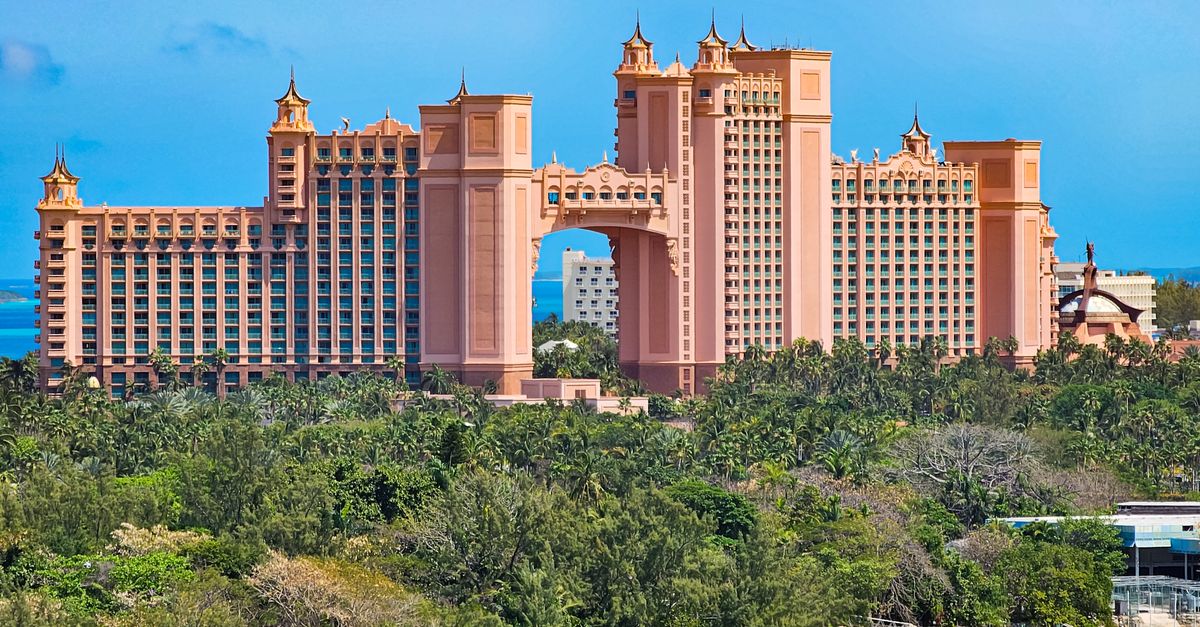
Nassau's reputation as a cruise-ship destination has obscured what the Bahamian capital actually is: a historically layered, creatively vital city of 280,000 people with a pirate past, a complex colonial history, a living Junkanoo culture, and a culinary tradition built on conch, grouper, and Bahamian rum that predates the resort hotels by three centuries.
Most visitors to Nassau spend their time on Cable Beach or Paradise Island's Atlantis resort, venturing downtown only for the Straw Market souvenir run. That leaves the city's genuinely extraordinary layers — the 18th-century pirate fortifications, the historic African Bahamian neighbourhoods, the underground rum bar scene, the quiet Exuma islands accessible by day trip — almost entirely to independent travellers willing to explore.
The Bahamian dollar is pegged 1:1 to the US dollar and both are universally accepted. Nassau is expensive by Caribbean standards (prices are often comparable to South Florida) but the hidden-gem experiences listed here are uniformly affordable for what they deliver.

1. Fort Fincastle and the Queen's Staircase
Most Nassau visitors photograph Fort Charlotte on the western waterfront but overlook Fort Fincastle, a smaller and more interesting fortification on Bennett's Hill in the city's central heights. Built in 1793 by Lord Dunmore, the colonial governor, in the shape of a paddlesteamer (visible only from above), the fort was designed to protect Nassau Harbour from all approaches. The view from its ramparts over the harbour, Paradise Island, and the open Atlantic beyond is the finest panorama in Nassau and almost entirely tourist-free.
Reaching Fort Fincastle requires climbing the Queen's Staircase — 66 steps cut entirely from solid limestone bedrock by enslaved workers in the 1790s. Each step is said to represent one year of the reign of Queen Victoria, though the staircase predates Victoria's reign by several decades. The cutting of the staircase — done by hand through solid rock — represents an extraordinary act of enforced labour, and interpretive panels at the bottom tell that story with appropriate gravity.
The staircase and fort are located on Elizabeth Avenue, about a 15-minute walk from the Straw Market. Entry to the fort costs $3 USD; the staircase is free. The site is considerably less crowded than Fort Charlotte and the local guides at the top of the staircase — unofficial historians who station themselves there daily — offer some of the most nuanced accounts of Bahamian colonial history available in Nassau. Tip them generously; $5–10 for a 30-minute explanation is appropriate.
Combine the fort visit with a walk through the historic Grant's Town neighbourhood immediately south of the hill — one of Nassau's oldest African Bahamian communities, with wooden Victorian houses in various states of photogenic decline. The church on Blue Hill Road, dating to 1834, was established by freed enslaved people in the year of emancipation and remains an active congregation with an extraordinary gospel choir audible on Sunday mornings.
2. Junkanoo Beach Local Scene
While visitors flock to Cable Beach and the Atlantis pools, Nassau's working-class families head to Junkanoo Beach — a public beach directly west of the cruise terminal that is free, accessible, and far more authentically Bahamian than the manicured resort stretches. The beach is named for the Junkanoo festival, the Bahamas' most important cultural event, and the wooden beach bars that line it are decorated with the same vivid fabric-and-wire costumes used in the procession.
Junkanoo the festival happens on Boxing Day (December 26) and New Year's Day, when costumed groups called "rushers" compete in elaborate parade processions down Bay Street starting at 2 a.m. The costumes — built over months from cardboard, crepe paper, feathers, and wire — can weigh 50 kilograms and represent biblical, historical, and fantastical themes. The sound system of cowbells, goombay drums, and brass horns creates a physical wall of music that is one of the most extraordinary sonic experiences in the Caribbean.
At any time of year, Junkanoo Beach offers food and drinks from the beach bars at local prices: a Kalik beer costs $3 (half the price of Cable Beach), a plate of cracked conch with peas and rice costs $12–15, and the atmosphere is relaxed and genuinely welcoming. The beach is walkable from downtown Nassau in 10 minutes. No entry fee, no sun-lounger rental hustle.
The Junkanoo Museum on Bay Street — a 5-minute walk from the beach — houses a permanent exhibition of prize-winning Junkanoo costumes and explains the festival's roots in West African masquerade traditions. Entry is $10 USD; audio guides are available in English. The museum is small but excellent and covers a cultural tradition that UNESCO has recognised as intangible cultural heritage.
3. Nassau's Rum Cake Trail
The Bahamas has an undersung baking tradition centred on dark rum cake — a dense, moist, rum-soaked fruitcake that bears no resemblance to the dry doorstop versions sold in airport gift shops. The authentic version is made with local dark rum (Nassau Royale or Bacardi Nassau-produced expressions), tropical dried fruits, and dark brown sugar, and emerges from wood-fired ovens in a few specific bakeries and home operations that have been operating for generations.
The most acclaimed producer is the Bahama Pie Company on Wulff Road, a family operation that has been making rum cake, guava duff (a Bahamian steamed pudding), and Johnny Cakes since 1962. The bakery occupies a small concrete building with no signage visible from the street; regulars park outside and walk through the side entrance to the production kitchen, which doubles as the shop. A whole rum cake costs $25 BSD; by-the-slice is available for $4.
A second essential stop is Arawak Cay (the Fish Fry) on the western edge of downtown, where Aunt Patty's has been selling rum cake alongside conch salad and fried grouper from a brightly painted wooden shack since the 1990s. The Fish Fry is the city's best food destination — a row of locally owned seafood restaurants, open-air bars, and snack stalls where Nassauvians eat on weeknights and weekends alike.
The full rum cake trail takes about half a day, combining the Bahama Pie Company with the Fish Fry and the Straw Market where several vendors sell their own rum cake versions. Prices at the Straw Market are tourist-oriented; the Wulff Road bakery price is what residents pay. The Fish Fry opens around noon and is most lively from 5 p.m.; conch salad prepared fresh costs $8–12 BSD and is the Bahamian national dish done properly.
4. The Potter's Cay Market Under the Bridge
Under the Paradise Island bridge, tucked away from Nassau's main tourist circuit, Potter's Cay is one of the Caribbean's most vivid market experiences. Every morning, mail boats from the Family Islands (the 700-island Out Islands of the Bahamas) tie up at the dock and unload their cargo: boxes of fresh-caught fish and conch, bags of vegetables, live chickens, and the everyday goods of island life. Simultaneously, vendors line the dock selling fresh conch salad, cracked conch, and steamed fish from makeshift kitchens balanced on the boat docks.
The conch salad at Potter's Cay is the benchmark against which all other Bahamian conch salad must be measured. The vendors crack and clean live queen conch in front of you, dice the meat with tomatoes, onions, green peppers, and scotch bonnet chilli, dress it with fresh lime juice and sour orange, and serve it in a polystyrene cup for $8–10 BSD. It is simultaneously raw, bright, spicy, and one of the best things you can eat in the Caribbean.
Potter's Cay is a 5-minute walk from downtown Nassau under the bridge on the eastern side of the harbour. The market operates daily from about 6 a.m. to 6 p.m. The mail boats for various Family Islands depart from here in the afternoon and early evening; watching a 35-metre wooden vessel load up with supplies for a 12-hour overnight voyage to Inagua or Crooked Island is a glimpse of a Bahamian way of life that the resort world has entirely bypassed.
The market has a few rough edges — the dock is industrial, the crowds can be tight, and the vendors are persistently enthusiastic — but it is entirely safe for visitors who approach with energy and appetite rather than apprehension. The fish stalls sell fresh catches at prices that make even Nassauvians happy: whole grouper for $12–15 BSD per kilogram, snapper for $8–10. If you have access to a kitchen, this is where to shop.
5. The Retreat Garden National Park
On Village Road, a 15-minute drive from downtown Nassau, the Bahamas National Trust maintains a 5-acre garden of extraordinary botanical richness: The Retreat contains the world's largest private collection of palm trees — over 175 species from every tropical region on earth, many of them rare or endangered. The garden is a living museum that has been accumulating palms since the 1920s, when Lyford Cay founder Harold Christie planted the first specimens.
The Retreat is also one of Nassau's best birding locations, particularly during the spring and autumn migration when warblers, vireos, and thrushes stop in the garden's dense canopy. Year-round residents include the Bahama woodstar hummingbird, the white-crowned pigeon, and the loggerhead kingbird. The garden's trail meanders through zones of different palm habitat, from dry Caribbean forest to dense tropical understorey, in the space of a 45-minute walk.
Entry costs $5 USD; guided botanical tours are available by appointment for $15 per person. The garden is open Monday to Saturday from 9 a.m. to 5 p.m. The Bahamas National Trust office at the entrance can provide information on conservation work across the island chain, including the extraordinary sea turtle nesting programme on the Exuma Cays.
The garden is most beautiful in the early morning when the light filters through the palm canopy and the temperature is bearable. Combine with a walk through the nearby residential neighbourhood of Centreville — one of Nassau's oldest middle-class African Bahamian communities — and breakfast at one of the bakeries on Village Road for a genuinely local Nassau morning.
6. Clifton Heritage National Park
At Nassau's southwestern tip, beyond the resort zone of Old Fort Bay, Clifton Heritage National Park preserves one of the most historically significant landscapes in the Bahamas. The 208-acre park contains the ruins of a Loyalist cotton plantation established in the 1780s, an earlier Lucayan (Taino) settlement that predates European arrival, and an underwater sculpture trail in the adjacent marine reserve.
The plantation ruins tell the story of the Loyalist influx — American colonists who fled to the Bahamas after the Revolution, bringing their enslaved workers. They planted cotton, failed (the soil and climate were unsuitable), and the enslaved workers became the foundation of modern Bahamian society after emancipation in 1834. The park's interpretive trail connects this history with the West African spiritual tradition that evolved into Obeah in the Bahamas.
The marine sculpture trail — a series of works by Bahamian artist Willicey Tynes placed in 3–5 metres of water offshore — is accessible by snorkelling or a short walk-in from the beach. The underwater pieces include a representation of enslaved Africans jumping from a slave ship — a powerful and affecting underwater experience for any snorkeller or diver.
Clifton is 20 km from downtown Nassau; a taxi costs around $25 USD one-way. Entry to the park is $10 USD. Guided tours are available on Saturday mornings at 10 a.m. for $20 per person and are the best way to understand the layered history of the site. Snorkelling gear rental is available at the park entrance for $10. Bring your own water and sunscreen as there are no shops or restaurants in the park.
7. Day Trip to the Exumas
The Exuma Cays — a 120-kilometre chain of 365 small islands and cays stretching southeast from Nassau — are among the most beautiful archipelago landscapes in the world. The water is a shade of turquoise that makes Caribbean clichés seem inadequate: genuinely luminous, a colour produced by white sand reflected through 15–20 metres of perfectly clear Atlantic water. Staniel Cay, Allan's Cay, and Compass Cay are all accessible by day-trip charter from Nassau and represent some of the most extraordinary swimming, snorkelling, and wildlife encounters available anywhere in the hemisphere.
Allan's Cay is home to the Exuma iguana — a large, prehistoric-looking lizard found only in the northern Exumas that has been habituated to human visitors and will eat grapes and lettuce from your hands. Compass Cay Marina has a resident population of nurse sharks that guests can swim with in a sheltered bay. Staniel Cay's Thunderball Grotto — a sea cave flooded with blue light and populated with fish — was filmed in the James Bond film of the same name and remains one of the Caribbean's most extraordinary snorkel sites.
Day-trip charters from Nassau run approximately $250–350 USD per person on a shared boat, typically visiting 3–4 stops over an 8-hour day. This seems expensive until you account for the fuel costs (Staniel Cay is 130 km from Nassau) and the quality of the experience. Book through Nassau Yacht Haven Marina or any of the charter operators clustered near Paradise Island bridge. Alternatively, fly — Southern Air or Flamingo Air offers scheduled service to Staniel Cay for $150 return.
The swimming pigs of Big Major Cay — a colony of feral pigs that swim out to meet boats — have become Instagram-famous and consequently very crowded. The iguana colony at Allan's Cay is far less visited and equally extraordinary. All marine areas in the Exumas sit within the Exuma Cays Land and Sea Park, and feeding, anchoring on coral, and removing marine life are all prohibited. Bring sunscreen that is reef-safe.
8. Nassau's Hidden Historic Churches
Nassau's downtown contains an extraordinary concentration of historic churches that most visitors walk past without noticing. The oldest is Christ Church Cathedral on George Street — established in 1670, making it one of the oldest Anglican parishes in the New World. The current building dates from 1837 and contains memorial tablets to Loyalist families that read as a compressed social history of early Bahamian settlement. The cooling interior is a refuge from Nassau's summer heat and the wooden pews still carry the original name plates of the founding congregations.
A block away, Zion Baptist Church — established in 1834 by freed enslaved people immediately after emancipation — represents a different and equally important strand of Bahamian religious and social history. The congregation here was the centre of the Nassau general strike of 1942, when Black Bahamian workers walked off wartime construction projects to demand equal pay with their white counterparts. The resulting riots and their political aftermath accelerated Bahamian independence by a decade.
Both churches are open for self-guided visits on weekday mornings and offer Sunday services that are extraordinary musical experiences — the Baptist gospel choral tradition in the Bahamas is one of the most powerful in the world. Dress appropriately (covered shoulders, no shorts) for church visits. Neither charges admission; modest donations are appreciated.
A self-guided walking tour of Nassau's historic churches can be downloaded from the Bahamas National Trust website. The tour connects nine historic religious buildings within downtown Nassau, many of them containing significant colonial art, memorial tablets, and architectural features that are otherwise inaccessible. The full walk takes about 2 hours and is best done early morning before the heat and cruise-ship crowds build.

9. The Over-the-Hill Neighbourhood
Over-the-Hill — the area south of Blue Hill Road in Nassau — is the historic heart of Bahamian African culture and the neighbourhood most rarely visited by tourists. Named for its position on the southern side of the ridge that divides Nassau, the area was where freed enslaved people settled after emancipation in 1834, building their own churches, schools, and community structures. It remains a predominantly working-class neighbourhood with a strong community identity and an extraordinary concentration of Junkanoo culture.
The neighbourhood's Junkanoo shacks — where the elaborate parade costumes are designed and built — are concentrated in Over-the-Hill and are the primary reason to visit outside festival season. Several shacks welcome visitors during the September–December building period; the Valley Boys on Baillou Hill Road and the Saxons on Nassau Street are among the oldest and most established groups. Visiting a shack during construction season is the most direct encounter with living Bahamian culture available to any visitor.
Over-the-Hill is safe during daylight hours, particularly around the main roads. The side streets can be disorienting; navigate by landmark (the large churches are the best waypoints) rather than relying on GPS. Motoconchos (local motorcycle taxis, not common in Nassau itself, but neighbourhood minibuses and jitneys serve the area) run from Bay Street for BSD 1.50. A community food market on Baillou Hill Road operates on Saturday mornings with excellent Bahamian breakfasts for $6–10 BSD.
The neighbourhood's history is told with great passion at the small Pompey Museum on Bay Street near the Straw Market — named for a leader of an 1830 slave revolt on Exuma whose story is one of the foundational narratives of Bahamian emancipation. Entry is $3 USD. The museum is a better introduction to Bahamian social history than anything available at the resort concierge desk.
10. Graycliff Chocolate Factory and Cigar Lounge
The Graycliff Hotel — Nassau's oldest hotel, built as a pirate's mansion in 1740 — contains within its grounds a chocolate factory producing some of the finest bean-to-bar chocolate in the Caribbean, and a cigar rolling lounge employing master torcedores (cigar rollers) from Cuba. Both operations are open for tours and are among the most distinctive artisan experiences in the Bahamas.
The chocolate factory uses cacao from estates across the Caribbean and Central America, and produces 100-gram bars in 13 varieties from 72% Dominican dark to passion-fruit-infused Bahamian milk chocolate. The factory tour takes 45 minutes and includes tasting of six varieties. The most extraordinary product is a limited-edition bar made with Bahamian sea salt and Caribbean dark rum — complex and memorable in equal measure.
The cigar lounge employs six rollers who hand-produce Graycliff cigars using Dominican, Nicaraguan, and Cuban-seed tobacco leaf. Visitors can watch the rolling process, which takes about 90 seconds per cigar for an expert roller, and purchase freshly rolled cigars at prices around $15–25 USD each. The adjoining bar serves rum cocktails and Bahamian wine (produced on the estate from imported grape juice — an eccentric but surprisingly drinkable product).
Chocolate factory tours cost $25 USD per person; cigar lounge visits are free with a purchase. The hotel's restaurant — one of Nassau's finest and most expensive — overlooks the pool in a garden of extraordinary tropical planting. Even if not dining, the garden and public rooms of the hotel are worth a 30-minute self-guided tour. The building's 280-year history encompasses pirates, colonial governors, and the likes of Winston Churchill and the Duke of Windsor, who was wartime governor of the Bahamas.