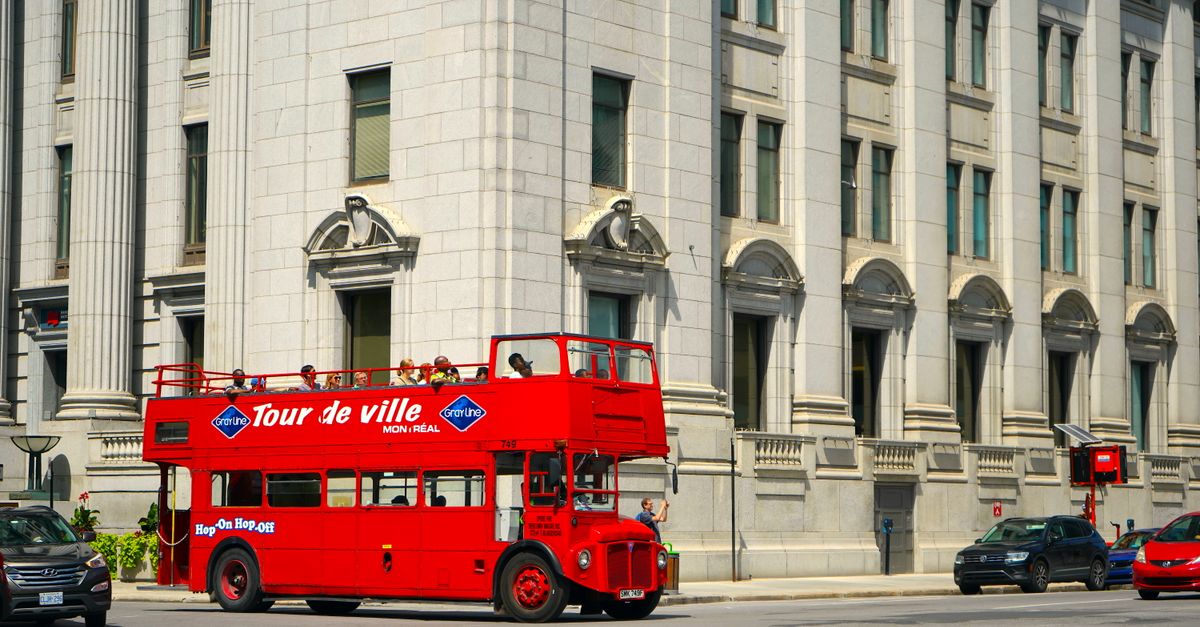
Montreal is simultaneously one of the most European and most North American cities on the continent — a French-speaking metropolis with cobblestoned Old Montreal, a jazz festival that takes over the downtown core each summer, and a bagel culture that New York has never quite matched. But even among visitors who know Montreal reasonably well, the neighborhood texture beyond Plateau Mont-Royal and Old Montreal is often unexplored. The Mile End's creative industries, the Rosemont Chinese night market, the Laurentians hiking accessible by commuter train, the underground city that is actually a functioning daily commuter network — these are the layers that make Montreal worth repeated visits.
This guide is for travelers who want the Montreal beyond the tourist marketing: the church-turned-bar (Le Vieux Bureau de Poste), the farmer's markets in November that prove Quebec's preservation culture is extraordinary, the jazz in dive bars on Tuesday nights that is better than anything at the festival's main stage. Montreal rewards French-language engagement — even a few words of French unlock a warmth that English-only visitors often don't encounter.
Montreal's STM metro is excellent — four color-coded lines covering the central city for $3.75 per ride or $14 for a day pass. The bike share system (BIXI, day pass $8) is the ideal vehicle for the flat grid of the Plateau and Mile End neighborhoods. Winter visitors should know that the underground city (RÉSO) connects 33 kilometers of underground passages between the metro stations and hundreds of buildings — it's genuinely useful, not merely a tourist curiosity.
1. The Mile End's Bagel Bakeries
Montreal's bagels are different from New York's: smaller, denser, sweeter (honey water in the boiling vat rather than malt), and wood-fired rather than oven-baked. The two institutions that define Montreal bagel culture — St-Viateur Bagel at 263 St-Viateur Street West and Fairmount Bagel at 74 Fairmount Avenue West — are both in the Mile End neighborhood and both operate 24 hours. They are 300 meters apart, and the debate over which is better has been running for 70 years without resolution. Both are correct answers. Buy a bag of each and eat them walking through the surrounding streets, which are full of exterior staircases, murals, and the studio culture of Montreal's creative class.
The Mile End's bagel culture traces to the Jewish community that settled the neighborhood in the early 20th century. St-Viateur Bagel was founded in 1957 by Myer Lewkowicz; Fairmount Bagel in 1919 by Isadore Shlafman. Both are still family-operated. The neighborhood's Jewish identity has been overlaid with Greek, Portuguese, and now creative/artistic communities, but the bagel bakeries remain the cultural anchors.
Take the metro to Laurier station (Orange Line), walk west on Laurier Avenue to Fairmount, turn right. St-Viateur Bagel is on St-Viateur Street three blocks further south. The walk between the two bakeries takes 8 minutes through some of the Mile End's most photogenic residential streetscape.
Budget $5–8 for a bag of 6 bagels at either bakery. Cream cheese adds $2–3 for a schmear on a fresh-from-the-oven bagel. The surrounding Mile End has excellent independent coffee shops — Café Olimpico and Café Myriade are both excellent, $4–6 for espresso drinks. This is one of Montreal's best $10 food experiences.
2. Jean-Talon Market in Peak Season
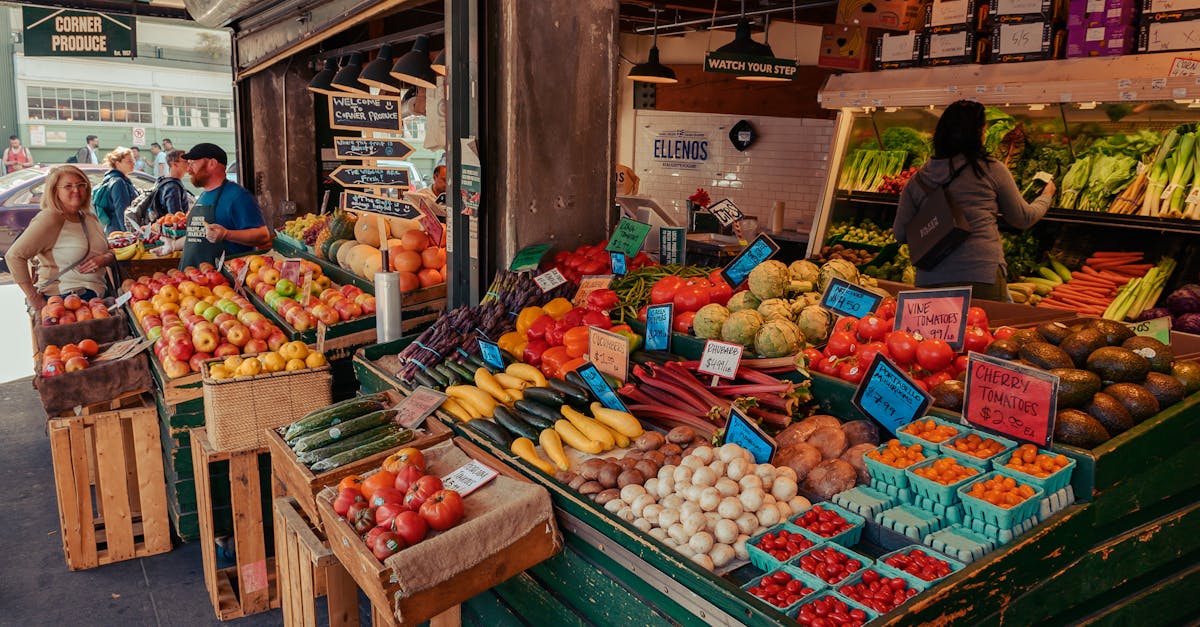
Jean-Talon Market in Little Italy (north of the Plateau) is arguably the finest public market in Canada — an open-air pavilion market operating year-round in an urban neighborhood, surrounded by specialty food shops, butchers, and fishmongers who have set up in the surrounding streets specifically to catch market overflow. In September and October, the market is extraordinary: Quebec's agricultural season peaks, and the pavilions overflow with local heirloom tomatoes, field corn, heritage squash, apple varieties from the province's centuries-old orchards, and cider from the Montérégie and Estrie regions. The cheese hall adjacent to the market sells Quebec farmhouse cheeses of world-class quality for a fraction of what they cost in specialty shops elsewhere.
Jean-Talon Market's Italian neighborhood context is significant: the market reflects the food culture of the Italian Canadian community that settled Little Italy from the 1950s onward, with vendor stalls emphasizing fresh produce, prepared Italian foods, and an atmosphere of communal shopping that is more Mediterranean than North American in its social dimension.
Take the metro to Jean-Talon station (Blue or Orange Line) — the market is adjacent. Open daily year-round; peak season September–November for produce variety, December–February for preserved and specialty items. The outdoor pavilions are busiest Saturday and Sunday mornings.
Budget $20–40 for a serious market shop: Quebec cheese ($8–15 for 200g of exceptional cheeses), cider ($12–18 per bottle), produce ($5–15). The market's prepared food vendors sell excellent ready-to-eat options for $8–14 per item. Combine with a walk through the surrounding Little Italy neighborhood on St-Laurent Boulevard, particularly the Italian cafés around Jean-Talon East.
3. Parc La Fontaine and the Plateau's Summer Life
Parc La Fontaine in the Plateau Mont-Royal neighborhood is Montreal's primary urban gathering space — a 40-hectare park with two ponds, walking trails, outdoor theatre, and the social life of a neighborhood that values public space with unusual intensity. In summer, the Théâtre de Verdure hosts free outdoor concerts and theatre performances; the paddleboats on the ponds operate for families; the surrounding park benches fill with people who appear to be living their best possible daily lives. The park is surrounded by some of Montreal's finest residential streets — the triplexes with exterior spiral staircases that are the defining architectural form of the Plateau.
The Plateau's exterior staircase architecture developed because Montreal landlords discovered that interior staircases took up rentable floor space; exterior stairs, while brutal in winter, freed up interior area for livable rooms. The resulting visual landscape — iron staircases in every configuration, often painted in neighborhood colors — is one of the city's most distinctive features and is most visible and beautiful in the streets immediately surrounding La Fontaine park.
Take the metro to Sherbrooke station (Orange Line) or Mont-Royal station and walk south. The park is bounded by Sherbrooke Street East and Rachel Street East. Théâtre de Verdure programming runs June–August — check the parks website for the free performance schedule.
Park: free. Paddleboat rental: approximately $25/hour for a 4-person boat. Outdoor theatre: free. Budget $15–25 for a picnic assembled from the surrounding neighbourhood: Épicerie Régionale on Rachel Street for charcuterie and cheese, Boulangerie Guillaume for excellent baguettes ($3–4).
4. The Laurentians via AMT Commuter Train
The Laurentians mountain range begins about 90 minutes north of Montreal, accessible by the AMT commuter train from Gare Centrale to Mont-Laurier (for Saint-Jérôme, the gateway to the Laurentians). From Saint-Jérôme, buses or cycling on the P'tit Train du Nord trail system (a former railway converted to a 200-kilometer cycling and skiing trail) reach villages like Saint-Sauveur, Sainte-Agathe-des-Monts, and Mont-Tremblant. This is Quebec's outdoor recreation countryside — ski resorts in winter, cycling and swimming in summer — and it's accessible without a car by anyone willing to combine train and bike.
The P'tit Train du Nord trail passes through former railway towns whose stations have been converted to snack bars and rest stops, creating a civilized cycling experience through a landscape of lakes, boreal forest, and Quebec farmland. The trail is one of the best long-distance recreational routes in Canada.
Train from Gare Centrale (downtown Montreal) to Saint-Jérôme: approximately $10–15 one-way. Bike rental in Saint-Jérôme: $30–45/day. The P'tit Train du Nord tourist information office in Saint-Jérôme has detailed maps and accommodation information for multi-day trips.
Train: $10–15 one-way. Bike rental: $30–45/day. Budget $50–80 for a day trip including food, transit, and bike rental. For an overnight, auberges (inns) along the trail typically run $80–120/night with breakfast. Best in September for foliage and September light.
5. Notre-Dame-de-Grace's Monkland Village
Notre-Dame-de-Grace (NDG) is a largely anglophone inner suburb of Montreal west of Westmount — a neighborhood of brick rowhouses, tree-lined streets, and the Monkland Avenue commercial strip that is one of the most pleasant small-scale commercial streets in the city. The neighborhood's English-language character is increasingly mixed with French and immigrant communities (large Haitian Canadian, South Asian, and West African populations), creating a food scene that is genuinely diverse and almost completely tourist-free. The Monkland Village strip has independent coffee shops, a bookstore (Westmount Park Books), and restaurants that reflect the neighborhood rather than an investor's vision.
NDG was historically the middle-class English-speaking counterpart to the French-speaking Plateau — a distinction that was socially significant in mid-20th century Montreal and that has become blurred over time as linguistic and cultural boundaries have shifted. The neighborhood's anglophone institutional infrastructure — churches, community centers, English schools — coexists with an increasingly diverse population.
Take the metro to Villa-Maria station (Orange Line) and walk north on Monkland Avenue. The commercial strip runs between De Maisonneuve Boulevard and Queen Mary Road. The neighborhood is quiet, residential, and most interesting for its everyday commercial culture rather than any specific attraction.
Budget $10–15 for coffee and a light meal on Monkland Avenue. The surrounding Décarie Street area has excellent Lebanese restaurants serving the large Lebanese Canadian community in NDG — expect $15–25 for a full mezze lunch. The Westmount Park at the eastern edge of NDG is a beautiful Victorian park worth a walk.
6. Verdun's Saint-Patrick Street Revival
Verdun, a borough immediately southwest of the city center accessible by the Green Line metro, has been one of Montreal's quiet success stories over the past decade. The Wellington Street commercial strip has been joined by a newer concentration of restaurants, bars, and cultural spaces on Saint-Patrick Street along the St Lawrence River's shoreline — including a series of community gardens on former industrial land, a riverside park, and the Verdun riverside promenade that extends along the river with views across to Île-des-Soeurs. The neighborhood has a working-class Québécois character that has proven resilient to the kind of rapid transformation that has changed other inner Montreal neighborhoods.
Verdun was historically a French Canadian working-class borough, home to factory workers and their families in the era when Montreal's industrial base was substantial. The closure of nearby manufacturing plants created economic challenges in the 1980s and 1990s; the subsequent recovery has been community-led rather than developer-driven, which shows in the neighborhood's texture.
Take the Green Line metro to De l'Église station. Walk south on De l'Église Street toward the river — about 10 minutes. The Wellington Street commercial corridor runs east-west; the riverfront park and Saint-Patrick Street strip are south of Wellington. The riverside promenade connects to Parc de la Cité-du-Havre and the old Expo 67 site on Île Sainte-Hélène.
Free to explore. Budget $15–25 for a meal on Wellington Street — Brasserie Harricana and Liverpool House (a Joe Beef affiliate, $30–50) are the neighborhood's celebrated dining options. Weekend brunch at the neighbourhood cafés: $14–18. The Sunday morning Wellington Street market (summer) has excellent local produce.
7. Pointe-Saint-Charles's Working-Class Heritage
Pointe-Saint-Charles, southwest of Old Montreal between the Lachine Canal and the Victoria Bridge, was the heartland of Montreal's 19th-century industrial working class — Irish, French Canadian, and Black communities who built the city's infrastructure and worked in its factories. The Lachine Canal, which runs through the Pointe's northern edge, has been converted to a linear park and cycling trail; the old warehouses along its banks are either converted to condos or still industrial. The Working Class History Museum and the Black History Museum in the Pointe document histories that are poorly represented in the mainstream tourist narrative of Montreal.
The Griffintown neighborhood immediately east of Pointe-Saint-Charles has been extensively redeveloped, but the Pointe itself retains much of its original residential and institutional character — the Catholic parish churches, the community organizations, the working-class homes on streets like Centre and Charlevoix that have been occupied continuously for over 100 years.
Take the Green Line metro to Charlevoix station. Walk south toward Centre Street and the canal. The Lachine Canal trail is accessible from Atwater Avenue east of the Pointe — the trail runs 14 kilometers west to Lachine. The bicycle rental (Ça Roule Montréal, $25/half-day) at the canal's eastern end is the ideal way to explore the canal corridor.
Canal trail: free. Bike rental: $25–35. Budget $15–25 for a meal along Wellington Street in the Pointe or at one of the canal-adjacent cafés. The Atwater Market (near the canal's eastern end) is an excellent alternative to Jean-Talon Market, particularly strong for Quebec cheeses and charcuterie.
8. Mount Royal's Interior Trails
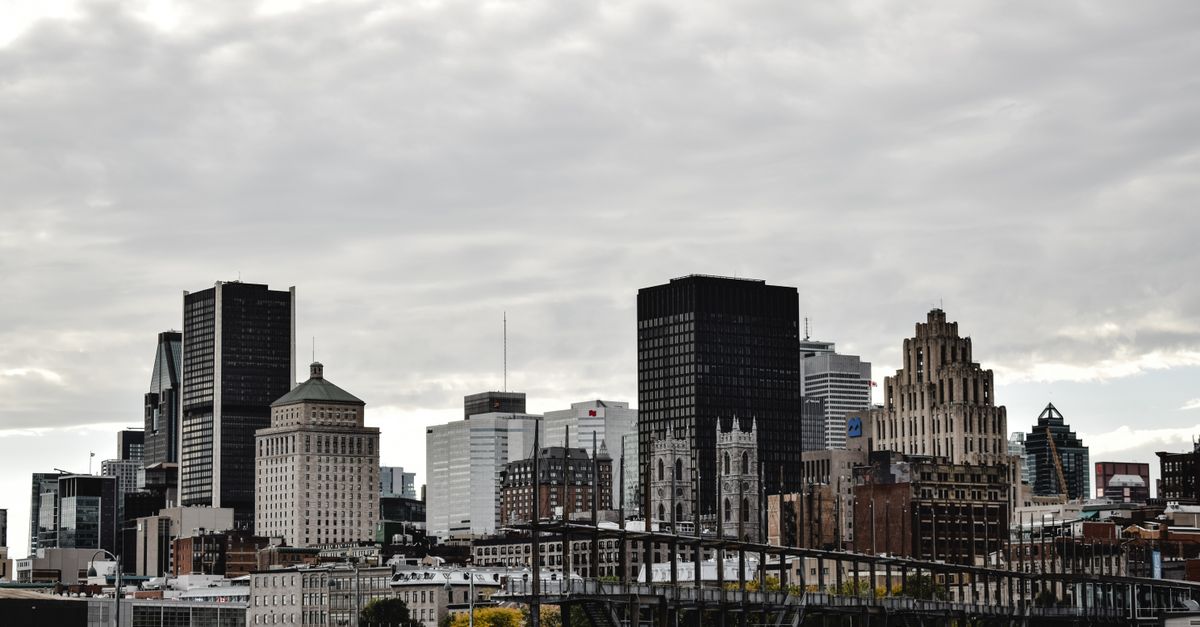
The tourist version of Mount Royal is the Kondiaronk Belvedere viewpoint — accessible by the George-Étienne Cartier Monument on Peel Street — where busloads of visitors photograph the downtown skyline. The interior trails of the mountain, designed by Frederick Law Olmsted (like many things on this list) and running through genuine forested landscape, are the version that Montrealers actually use. The Smith House chalet provides winter warming rooms and summer washrooms; the mountain's various trails range from flat loops to moderate climbs to the summit of the northern slope where the cross stands. The beaver lake (Lac aux Castors) in the mountain's western section is a gathering place for families and picnickers on summer weekends.
Mount Royal was Olmsted's only project outside the United States and was designed in 1874 following his Central Park and Prospect Park success. The design principle — creating nature within the city rather than providing it for public use — has preserved genuine forest habitat within walking distance of downtown Montreal for 150 years.
Walk from the metro at Guy-Concordia or Sherbrooke stations, or take the 11 bus to Mount Royal Park. The Kondiaronk belvedere is the most accessible viewpoint; the interior trail map is available at the Smith House chalet. The mountain is car-accessible at limited hours; the best experience is on foot or by bike.
Free. Budget $10–15 for a coffee and snack at the Smith House café (seasonal hours). BIXI bike rental for cycling the mountain trails ($8/day pass). The mountain's Sunday tam-tam drum circle (spring through fall) draws hundreds of participants to the base of the George-Étienne Cartier Monument — a free, genuine Montreal tradition.