Lisbon's tourist circuit is well-established and genuinely excellent — Alfama's medieval labyrinth, Belém's Manueline monuments, Bairro Alto's nightlife. But the city has always had a talent for hiding its best corners in plain sight, behind unremarkable doors, on the far side of the river, or in neighborhoods that most visitors pass through on the metro without ever stepping out to explore.
These five hidden gems are the Lisbon that Lisboetas love — the neighborhoods they brunch in on Sundays, the markets they shop at weekly, the beaches they escape to in summer, and the quiet gardens where they read in the shade while tourists sweat up the hills a kilometer away.

1. Mouraria — Where Fado Was Born
Lisbon's Multicultural Heart
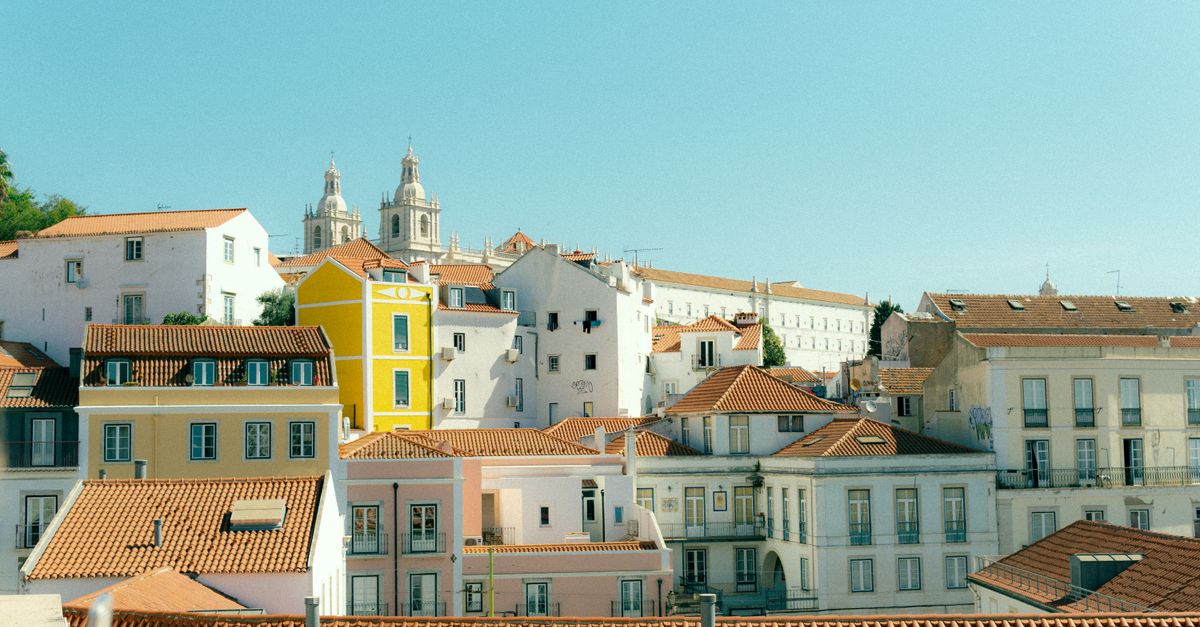
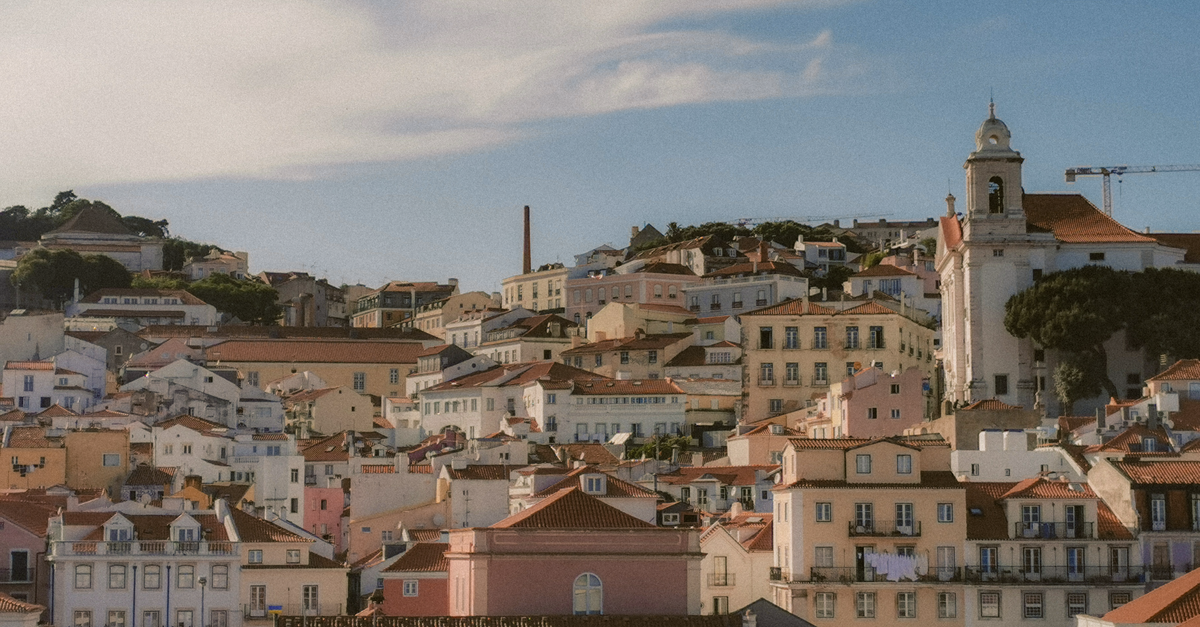
While tourists flood neighboring Alfama, Mouraria sits quietly behind the castle hill as the most culturally rich and least visited neighborhood in central Lisbon. Its name comes from the Moorish quarter (mouraria) established after the Christian reconquest in 1147, when the Muslim population was confined to this hillside. Today it is Lisbon's most diverse neighborhood — home to communities from China, India, Bangladesh, Mozambique, Cape Verde, Brazil, and Pakistan, all living alongside traditional Portuguese residents whose families have been here for generations.
The food scene is extraordinary and dirt cheap. Rua do Benformoso is the main artery — walk its length and you pass Bangladeshi curry houses, Chinese dim sum restaurants, Mozambican grilled chicken joints, and traditional Portuguese tascas, all within 200 meters. A full Indian meal costs €5-7. Cape Verdean cachupa (stew) runs €6-8. A plate of rice and chicken at a Mozambican spot is €5.
Mouraria is also where fado originated — not in Alfama's tourist-facing fado houses but in the working-class taverns of this neighborhood. The Fado Museum (€5) nearby tells the history, but the real experience is stumbling upon an impromptu performance in a Mouraria tasca, where singers perform for each other rather than tourists. Visit Tasca do Chico (Rua dos Remédios) or ask locals for tonight's performances.
The neighborhood is raw and unpolished — crumbling facades, street art, and a grittiness that gentrification has not yet smoothed over. That is exactly its appeal.
2. Feira da Ladra — The Thieves' Market
Lisbon's Oldest Flea Market
Every Tuesday and Saturday morning, the Feira da Ladra (literally "Thieves' Market") spreads across the hilltop of Campo de Santa Clara near the Panteão Nacional. This open-air flea market has been operating in various locations since the 13th century, making it one of the oldest continuously running markets in Europe.
The name is not entirely tongue-in-cheek — legend holds that stolen goods were historically laundered through the market. Today the merchandise ranges from genuine antiques (azulejo tiles, Portuguese ceramics, vintage posters, colonial-era artifacts) to pure junk spread on blankets by vendors who seem to be emptying their grandmothers' attics. The treasure-to-trash ratio is part of the charm.
Arrive before 9 AM on Saturday for the best selection — serious buyers and antique dealers shop early. By midday, the market is more atmosphere than inventory. Prices are negotiable — start at 50-60% of the asking price and meet somewhere in between. The surrounding Campo de Santa Clara has several cafes with terrace seating overlooking the market and the river. The Panteão Nacional (€5) is right next to the market — climb to the rooftop terrace for a panoramic view over Alfama and the Tagus.
3. Jardim da Estrela — The Garden They Keep to Themselves
Lisbon's Most Peaceful Park
While tourists crowd into Praça do Comércio and the miradouros, Lisboetas retreat to the Jardim da Estrela — a lush, shaded garden in the Estrela neighborhood that feels like a Victorian-era secret. Opened in 1852, the park centers around an ornate wrought-iron bandstand (coreto) surrounded by exotic trees, flower beds, a duck pond, and wide gravel paths designed for slow, purposeless strolling.
The garden is directly opposite the imposing Basílica da Estrela (free entry), an 18th-century Baroque-Neoclassical church with a beautiful marble interior and a rooftop terrace (€5) offering panoramic views that rival any miradouro without the crowds. The church was built by Queen Maria I to fulfill a vow made if she bore a son — the son died of smallpox before the church was finished, making it a monument to grief as much as devotion.
The park has a children's playground, a small cafe serving coffee and pastries at non-tourist prices, and a lending library box. On weekend mornings, families spread blankets on the grass while children chase the ducks and elderly men play cards on benches. The atmosphere is quintessentially local — you will be the only tourist here, and the peace is restorative after the energy of Alfama and Baixa.
Take Tram 28 (it stops right outside) or Tram 25E from Praça do Comércio.

4. Costa da Caparica — Lisbon's Beach Escape
30 Kilometers of Atlantic Sand
Most visitors do not realize that Lisbon has a beach — or rather, 30 kilometers of beach — just across the river. Costa da Caparica is a string of Atlantic beaches stretching south from the Caparica town center, each with a slightly different character: family beaches in the north, surf breaks in the middle, and quieter, wilder stretches (including a nudist section) toward the south.
Getting there is easy and cheap. Take the ferry from Cais do Sodré to Cacilhas (€1.50 with Viva Viagem, 10 minutes), then Bus 135 from the Cacilhas terminal to Costa da Caparica (30 minutes, €2-3). Alternatively, the TST bus 161 runs directly from Praça de Espanha in Lisbon to Caparica. The total journey takes about 45 minutes door-to-door.
In summer (June-September), a small mini-train (transpraia) runs along the beach, stopping at numbered beaches — the higher the number, the quieter and more remote the beach. Beach 9 and Beach 10 are popular with surfers. Beach 14-19 are quieter. Each beach stop has simple restaurant-bars (barracas) serving grilled fish, beer, and sangria at beach-bar prices (€10-15 for a meal). A full day of beach, surf, grilled fish, and cold beer for under €25 — that is the Lisbon beach lifestyle.
5. Marvila — Lisbon's Craft Beer District
Post-Industrial Cool on the Eastern Waterfront
Marvila is the neighborhood that local bartenders and craft beer enthusiasts will name when you ask them where Lisbon is heading next. This former industrial district along the eastern waterfront — warehouses, factories, and railway yards — has become the epicenter of Lisbon's craft beer revolution, with a concentration of breweries, taprooms, and creative spaces that is transforming the area without (yet) erasing its industrial character.
Dois Corvos (Rua Capitão Leitão 94) is the flagship — Lisbon's most celebrated craft brewery, operating from a converted warehouse with a taproom serving 12+ rotating taps of their own IPAs, stouts, sours, and lagers. Pints run €4-6, and the quality rivals the best of Berlin or Brooklyn. On summer weekends, the outdoor terrace fills with a mix of locals and expats, and the atmosphere is relaxed and communal.
Musa (Rua do Açúcar 83) is another excellent brewery-taproom in the same area — their Lager and Session IPA are outstanding. Lince brews Belgian-influenced ales. Walk between the three in 10 minutes, sampling as you go.
Beyond beer, Marvila is home to Underdogs Gallery — one of Lisbon's best street art galleries housed in a former factory. The neighborhood's warehouse spaces are being converted into galleries, studios, and event venues, but the process is early enough that Marvila still feels genuinely undiscovered rather than self-consciously hip.
Getting there: Bus 718 from Santa Apolónia, or a 15-minute walk east from Santa Apolónia station along the waterfront. Visit on a Friday or Saturday afternoon when all the taprooms are open and the neighborhood is at its liveliest.