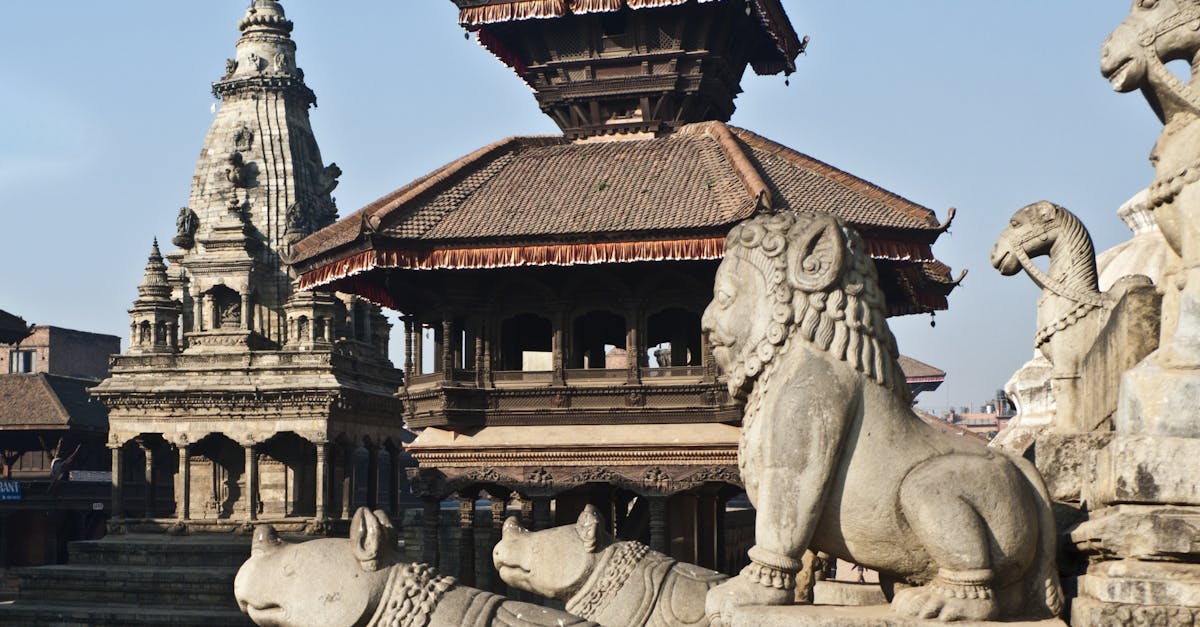
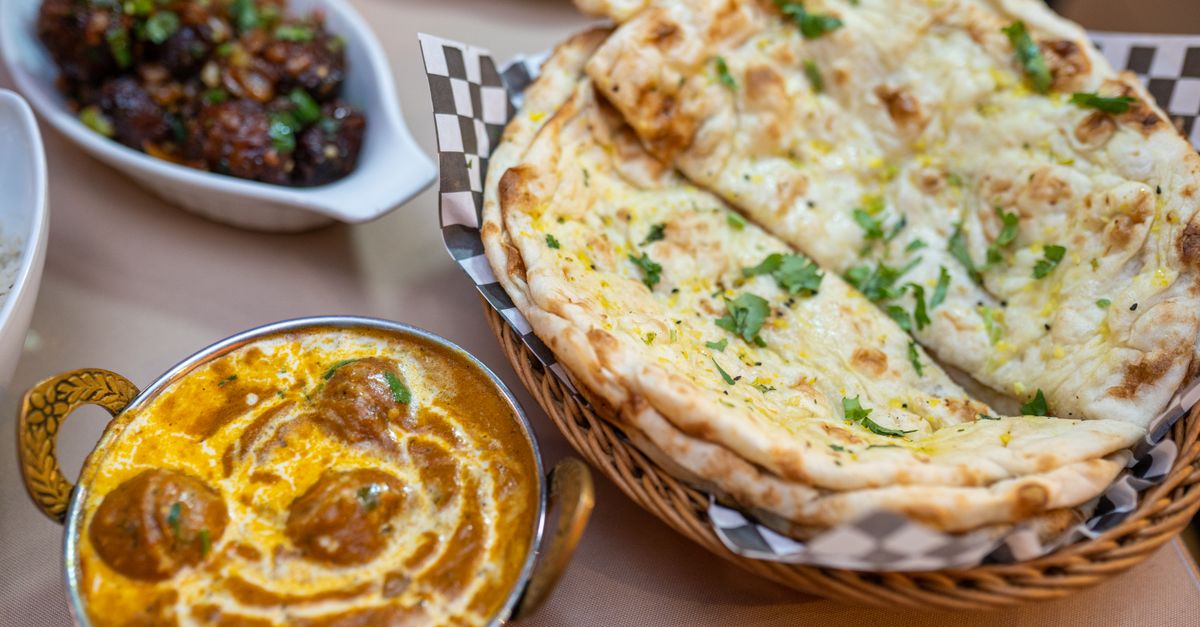
Kathmandu sits at a fascinating sweet spot for budget travellers: it's home to some of the world's most spectacular UNESCO World Heritage Sites, yet daily costs can stay well under $25 USD if you eat locally and sleep smart. The city is chaotic, dusty, and utterly captivating — medieval temples packed between motorbike traffic, incense smoke drifting from a hundred shrines, street vendors selling everything from yak wool blankets to Samsung chargers. Budget travel here isn't about deprivation; it's about choosing the $1.50 momo over the $8 tourist plate and getting a far better meal in the process. Nepal's rupee (NPR) is the currency; 1 USD ≈ NPR 135. ATMs are widespread in Thamel and Patan. This guide gives you the specific names, prices, and strategies to experience all of Kathmandu without burning through your trek fund.
Getting There on a Budget
Kathmandu's Tribhuvan International Airport (KTM) is the only international airport in Nepal, so nearly all visitors arrive here. Flight prices vary enormously by origin and season. From Delhi, budget carriers like IndiGo and SpiceJet fly for $60–100 USD one-way when booked two to four weeks ahead. From Bangkok, Thai AirAsia and similar carriers start at $90–130 USD. From Doha, Qatar Airways operates one of the most-used budget routing options via connection from European cities, often significantly cheaper than direct alternatives.

Overland from India is possible and dramatically cheaper. The Sunauli/Belahiya border crossing (connecting to Gorakhpur, UP) is the most commonly used: a train from Delhi to Gorakhpur (sleeper class, INR 350–600, around 10 hours) followed by a local bus to Sunauli border (INR 100), a border crossing, and then a tourist bus from Bhairahawa to Kathmandu (NPR 900–1,200, 8 hours). Total cost from Delhi: approximately $12–18 USD, versus $60+ to fly. Budget two full days for the overland route.
From Tibet (China side), the Kodari/Rasuwagadhi border crossing has been inconsistently open. Cross-check current access status before building this into an itinerary — it has been closed for extended periods.
At the airport, the pre-paid taxi counter in arrivals sets official fares to Thamel at NPR 700 and to other areas proportionally. The line can be long; pay at the counter, take your receipt, and your driver will meet you outside. Ignore touts offering rides without a counter receipt — they will charge NPR 1,500–2,000 for the same journey. The Pathao ride-hailing app works in Kathmandu and often undercuts official taxi rates by 20–30%; however, Pathao drivers cannot enter the airport compound, so airport transfers require the pre-paid taxi or negotiation from the road outside the terminal gates.
Budget Accommodation
Thamel is the budget traveller's neighbourhood of choice — it's chaotic, tourist-heavy, and has guesthouses at every price point from NPR 600 to NPR 6,000 per night. The concentration of budget options here is unmatched anywhere else in the valley.

Hotel Encounter Nepal — A Thamel institution that has housed trekkers and budget travellers for decades. Basic rooms from NPR 900 (fan) and NPR 1,500 (AC with hot water). The rooftop common area is a social hub and the staff are excellent at giving trekking advice. Location is central — everything in Thamel is walkable from here.
Kathmandu Guest House — The most famous budget property in Nepal, and still excellent value for what it delivers. A sprawling compound with a garden and restaurant, dormitory beds from NPR 700 and private rooms from NPR 1,800. AC doubles with bathroom run NPR 3,500–4,500. The "garden-view" rooms justify a small premium. Book ahead — this fills up year-round.
Thorong Peak Guest House — In the quieter northern part of Thamel, five minutes from the main drag but significantly calmer. Fan rooms from NPR 800, AC doubles from NPR 2,000. Common bathrooms for the cheapest rooms are clean and maintained. The breakfast (set menu: eggs, toast, tea) at NPR 350 is excellent value and saves you money versus the cafes nearby.
Mustang Guest House — Just outside the tourist core of Thamel, on the edge of the Paknajol neighbourhood. Fan doubles from NPR 700; private rooms with bath from NPR 1,400. Quiet, family-run, and used almost entirely by long-stay trekkers returning for acclimatization breaks. Not for travellers who want to be in the centre of the action; ideal for those who want to sleep rather than hear bars at midnight.
For budget stays in Patan (the more architecturally refined of the three Durbar cities), check guesthouses around Mangal Bazar — simple rooms from NPR 1,200 put you within five minutes' walk of Patan Durbar Square.
Eating Cheaply Like a Local
The honest truth about food in Kathmandu is that the best meals are the cheapest ones. The tourist-facing restaurants in Thamel serve decent but uninspired approximations of Nepali and Asian food at prices 3–5x what locals pay. Step ten minutes outside the Thamel bubble and the food gets dramatically better and cheaper.

Momos are the non-negotiable Kathmandu eat. These steamed or fried dumplings (pork, chicken, buff/buffalo, vegetable) cost NPR 150–250 for a plate of 8–10 at local shops. The best are found in plain, fluorescent-lit shops with queues outside: look for Himalayan Java area side streets, or the momo vendors along Putalisadak Road, where a plate of buff momos with tomato achar costs NPR 180. Tourist restaurants charge NPR 400–600 for the same plate.
Dal bhat is Nepal's national meal and one of the world's great budget travel dishes: a thali of lentil soup, rice, vegetable curry, pickles, and often a small meat dish. Local Thamel restaurants and canteens serve it for NPR 200–350. Thakali Kitchen near Thamel Chowk delivers the definitive Thakali-style dal bhat (from the Thak Khola region, known for the best version) for NPR 280 — unlimited refills of dal and rice included.
For breakfast, the local bakeries around Thamel open at 6:30–7:00 AM and sell fresh-baked bread rolls, croissants, and apple pie at NPR 30–80 per item. OR2K does good-value breakfast sets but is firmly tourist-priced (NPR 500–700). Better: walk to the Newari tea shops in the lanes south of Indra Chowk, where tea with milk (chiya) costs NPR 20–30 and sel roti (deep-fried ring bread) runs NPR 30–50.
For Newari food — the authentic cuisine of the Kathmandu Valley — the area around Indra Chowk and Ason Tole has family restaurants serving choila (spiced grilled buffalo meat, NPR 200–300), wo (lentil pancakes, NPR 150), and bara (similar grain fritter, NPR 100). Honacha Restaurant in Patan's Mangal Bazar is the most celebrated traditional Newari restaurant in the valley — a set Newari meal is NPR 450–650 and includes items you won't find on any tourist menu.
Free and Low-Cost Attractions
Kathmandu's main sites are not free, but the entry fees are reasonable by international standards and can be spread intelligently. The key is understanding that each Durbar Square charges separately, and several of the most atmospheric experiences in the city cost absolutely nothing.

Kathmandu Durbar Square — NPR 1,000 for foreigners, valid for re-entry during your stay if you get your ticket stamped. The medieval royal plaza with its ornate Newar temples is essential. Budget 2–3 hours.
Patan Durbar Square — NPR 1,000. Arguably the more beautiful of the two main squares, and the Patan Museum (housed in the ancient royal palace) is one of the finest in South Asia. The entry fee includes both the square and the museum — exceptional value.
Boudhanath Stupa — NPR 400. One of the world's largest Buddhist stupas, ringed by Tibetan monasteries. Walk the kora (circumambulation path) clockwise at sunrise or dusk when the monks are active. The surrounding lanes have excellent cheap Tibetan restaurants.
Swayambhunath (Monkey Temple) — NPR 200. A 2,500-year-old hilltop stupa with the best panoramic view of the Kathmandu Valley. The 365 stone steps reward the climb.
Pashupatinath Temple — NPR 1,000. Nepal's holiest Hindu temple on the Bagmati River. Non-Hindus cannot enter the main temple but can observe the cremation ghats from the opposite bank — an extraordinary window into Hindu death rituals. Morning aarti ceremonies are the most atmospheric.
Free experiences that cost nothing: walking the streets of Thamel and Ason Tole at any hour; the Indra Chowk produce and bead market; watching the street life around Chhetrapati; evening prayer ceremonies (pujas) at neighbourhood shrines throughout the city; the ghats along the Bagmati River south of Pashupatinath (accessible from the public banks).
Getting Around on a Budget
Kathmandu's traffic is famously terrible, and navigating it cheaply requires knowing the options. Taxis are metered but drivers almost universally refuse to use the meter with tourists — negotiating a fixed fare before getting in is standard. A cross-Thamel journey should cost NPR 150–200; Thamel to Boudhanath NPR 300–400; Thamel to Patan NPR 250–350. Add 30–50% to these figures for the stated rate if you don't negotiate — just name a fair fare when you get in.

Pathao and inDrive are ride-hailing apps that both operate in Kathmandu. Pathao quotes fixed fares; inDrive allows you to name your own price and drivers accept or counter-offer. inDrive typically delivers the lowest fares for cross-city journeys. Both apps require a local or international mobile number for registration.
Local micro-buses (tempos and mini-buses) run fixed routes for NPR 20–40 per journey and are by far the cheapest option if you know the routes. Routes are not marked in English; ask guesthouse staff for the specific route number to Patan, Bhaktapur, or Boudhanath. Crowded but functional during off-peak hours.
Renting a bicycle is practical for the Thamel–Patan axis (4 km, mostly flat) at NPR 300–500/day. The traffic between Thamel and central Kathmandu is heavy — confident urban cyclists only. Electric scooter rentals are available from NPR 1,000–1,500/day for independent valley exploration.
Money-Saving Tips
1. Stay in northern Thamel or Paknajol. The same room quality costs 20–30% less two streets north of the Thamel tourist core. The walk to the Durbar Square or Swayambhunath is the same distance. Guesthouses on the quieter side streets also offer better sleep — an underrated budget consideration.
2. Eat dal bhat at local restaurants, not tourist joints. An NPR 280 dal bhat with unlimited refills at a local restaurant is a full, high-nutrition meal. The same framing at a tourist restaurant costs NPR 600–900 and often has smaller portions. Eating dal bhat once a day cuts daily food costs by NPR 300–500.
3. Buy trekking gear at the Thamel markets, not the shops. The street-level shops on Thamel's main drag quote tourist prices. The back-lane shops and the area around Chhetrapati sell the same (often identical) gear — North Face, Marmot, Columbia replica or genuine grey-market stock — for 30–50% less. Budget NPR 3,000–5,000 for a complete lightweight trekking kit if you need one.
4. Negotiate a daily rate for taxis used repeatedly. If you're visiting multiple Durbar Squares and major sites in one day, negotiate a full-day taxi (up to 8 hours) for NPR 2,500–3,500. Individual trips to the same sites cost NPR 1,500–2,500 total. The driver also waits at each site while you explore.
5. Drink filtered water from guesthouses and restaurants. Bottled water costs NPR 30–50 per 500ml and adds up. All reputable budget guesthouses have filtered water available for free or at NPR 10–20 per refill. Carry a reusable bottle — environmental benefit and significant daily savings.
6. Use the ATMs inside bank branches, not street kiosks. Nabil Bank, Standard Chartered, and Everest Bank ATMs inside their Thamel branches have the best international card acceptance rates and lowest international withdrawal fees. The standalone kiosk ATMs on tourist streets charge a NPR 500 withdrawal fee versus NPR 350 at bank branch ATMs.
7. Time Bhaktapur as an afternoon-into-evening visit. Most day-trippers from Kathmandu visit Bhaktapur mid-morning and leave by 3 PM. Arriving at 2 PM means you pay the NPR 1,500 fee and have the extraordinary Durbar Square largely to yourself from 4 PM onward as tour groups thin out — the golden-hour light on the Nyatapola Temple is a photographer's gift that the morning crowds never see.