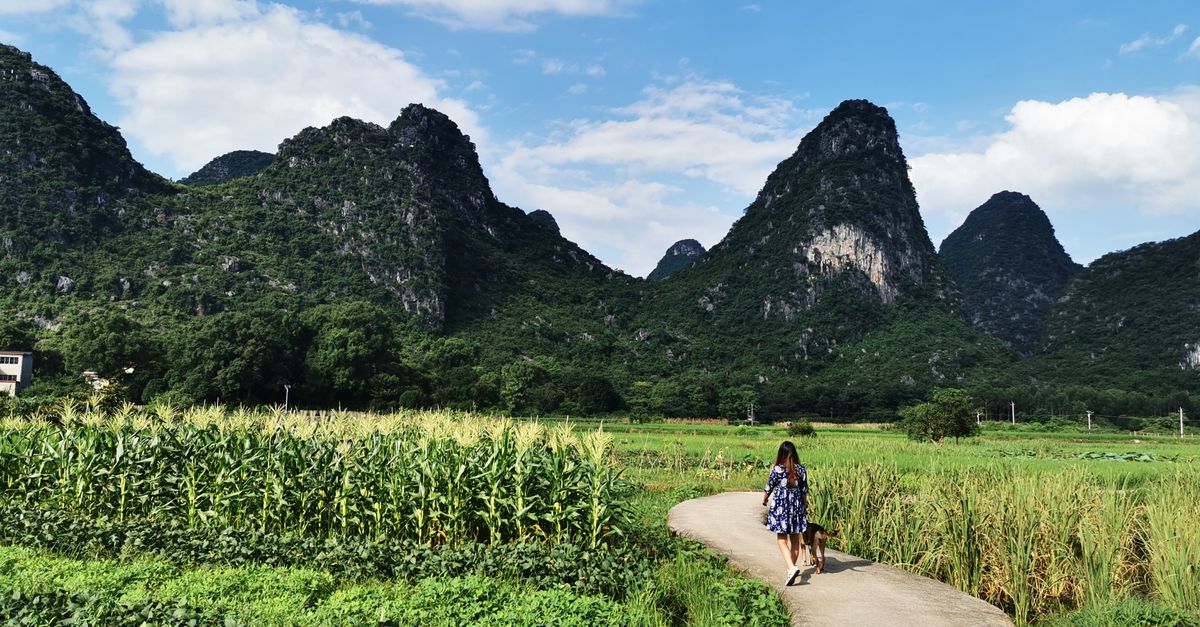
Guilin's reputation is entirely geological: the karst limestone towers that rise from the Li River flood plain between Guilin and Yangshuo are among the most photographed landscapes on earth, and they deserve every pixel of the attention they receive. What the photography culture around Guilin has missed is that the karst geology creates not just dramatic scenery but an extraordinarily complex landscape that includes underground river systems, vertical cave systems, subtropical forest ecosystems in the karst valleys, and a human geography of remarkable diversity — the Zhuang, Dong, Yao, and Miao minorities of the surrounding Guangxi mountains maintain distinct cultures accessible within 2 hours of the city center.
The tourist Guilin is the Li River cruise, Reed Flute Cave, and the Two Rivers and Four Lakes light show in the city. These are all worth doing and all of them have a hidden complement: the Li River is more interesting when explored by bamboo raft on the upper section above Guilin rather than the mass-tourism section to Yangshuo; Reed Flute Cave is brilliant but there are five other cave systems in the Guilin area that are less visited and in some cases more interesting; and the city's ethnic minority heritage is accessible through weekly village markets that require only a short drive and a tolerance for markets with no English signage.
These ten hidden corners of Guilin and its surrounding region go beyond the postcard and into the depth of one of China's most naturally spectacular but culturally under-explored destinations.
1. Yulong River Bamboo Raft Section
The Yulong River (遇龙河) is the Li River's quieter tributary, flowing through the Yangshuo area past karst towers and rice paddies on traditional bamboo rafts rather than large diesel-powered tourist boats. The 26-km floating section between Baisha village and Gongnong Bridge is the finest single river journey in the Guilin region — and at 60-80% lower cost than the main Li River mass tourism cruise from Guilin to Yangshuo. The raft operators are small-scale local businesses (usually family-operated) rather than the large tourism companies, which means the experience is personal rather than packaged.
The Yulong River section passes through a landscape that the famous Li River photographs represent — the actual 20 RMB banknote scene (the Xingping area, technically on the Li River's upper section but in the same karst register) was not accessible to the main Guilin-Yangshuo mass cruise. The Yulong section's karst towers are less vertical and more forested than the dry Xingping towers, giving the Yulong a softer, greener character at all seasons. In the lotus season (June-July), the rice paddies between the towers are flooded and the lotus flowers at the base of the karst towers create the specific composition that Chinese landscape painters have been using for 1,200 years.
The raft section starts from the Baisha boat dock in Yangshuo County (15 km from Yangshuo town, accessible by electric bicycle rental from Yangshuo, ¥50 for 8 hours). The bamboo raft is self-operated using a long pole; for the tourist version, the raft operator poles while you sit. Raft rental with operator: ¥200-280 for the full 26-km section (3-4 hours). Go on a weekday morning (8-10 AM) before the weekend raft crowd arrives. The specific bamboo raft experience is available only during the dry season (October to April); the summer rainy season raises the river level and the current makes raft operation unsafe.
The specific lunch stop on the Yulong Raft section is at Moon Hill (Yuèliang Shan) village, accessible from the river bank and reachable by walking uphill from the raft landing for 20 minutes. The Moon Hill itself — a large limestone arch natural bridge at the top of the karst tower — is 80 metres in diameter and visible from 10 km away. The climb to the arch (45 minutes from the base village) provides the finest elevated view of the Yangshuo karst landscape available from any publicly accessible summit in the region. Entry ¥25.
2. Reed Flute Cave vs. Crown Cave
Reed Flute Cave (芦笛岩) is Guilin's most famous cave and a UNESCO geopark feature — 240 metres of illuminated stalactite chambers that have been visited since the Tang Dynasty (graffiti inside includes 7th-century tourism signatures). The lighting design has been updated repeatedly and the current LED system ranges from beautiful to garish depending on the section. The crowds at peak season (50+ people per cave tour group) undermine the spatial experience that the chambers are designed to produce.
Crown Cave (冠岩), 32 km south of Guilin near the Putao Island area, is a UNESCO Geopark site of comparable geological quality and one-tenth the crowd. The cave system at Crown Cave is more complex than Reed Flute — four vertical levels, an underground river section navigable by boat, and a boat + cable car + train access system that is itself an interesting engineering experience. The underground river at Crown Cave is the most dramatic feature: a 500-metre float through the cave in a flat-bottom boat with the cave ceiling 5-50 metres above, illuminated to show the geological formations without the theatrical LED color scheme that Reed Flute uses. The light at Crown Cave is white, which shows the natural color of the formations rather than the aesthetic overriding of the Reed Flute LED system.
Reed Flute Cave entry ¥90, accessible by Bus 3 from central Guilin (30 minutes). Crown Cave entry ¥165 (includes all internal transport: cable car, boat, mini-train), accessible from the Yangshuo direction by taxi (30 minutes from Yangshuo town, ¥60) or from Guilin (Bus to Putao, 40 minutes, then taxi 10 minutes). Crown Cave opens 9 AM to 5 PM daily. Go on a weekday; the weekend tour groups from Guilin city fill the cave system at 10-11 AM on Saturdays and Sundays.
The Third Underground Cave at Longmen Mountain (龙门石窟), 50 km north of Guilin toward Xingan, is the least commercially developed karst cave in the Guilin tourist area — a wet cave system with active stalactite growth visible as dripping formations that are forming right now, in contrast to the dry "dead" formations of Reed Flute. The active cave systems at Longmen require waterproof boots and a willingness to get wet; guided tours run on advance booking (¥80, includes basic cave equipment). The experience of a wet active cave is fundamentally different from the illuminated tourist cave and represents the geological phenomenon as it actually exists rather than as it has been presented for tourism.
3. Longji Rice Terraces (Ping An Village at Dawn)
The Longji Rice Terraces (龙脊梯田, Dragon's Backbone) in Longsheng County, 80 km north of Guilin, are the most famous agricultural landscape in Guangxi — terraces that the Zhuang minority began cutting into the mountains 650 years ago and have maintained continuously through rainfall-dependent rice farming. The standard tourist visit takes the cable car from Longji Village to the Ping An viewpoints at 10 AM, photographs the layered terraces, and returns by afternoon. The hidden version stays overnight at one of the village guesthouses (¥80-150 per night in a Zhuang wooden stilthouse) and wakes at 5 AM for the dawn light on the terrace water surface.
The dawn at the Longji terraces is specifically extraordinary in the spring (March-May) before the rice is planted, when the terrace walls are flooded and each terrace level reflects the sky. The system of terrace water mirrors — thousands of tiny rectangular water surfaces stepping up the mountain at slightly different angles — creates an optical effect unique to this landscape type: the mountain appears to dissolve into reflected sky. From the Ping An No. 1 viewpoint at 5:30 AM in April, looking north along the terrace ridge, the reflection system extends for 2 km into the mountain and creates the specific Longji photograph that requires being there at this hour on this type of day.
Longji is accessible from Guilin by bus from the Guilin north bus station (1.5 hours, ¥26) to Longsheng, then cable car or walking trail to Ping An village. Cable car ¥72 return. The village guesthouses are accessible from the cable car station in 10 minutes on foot. In the terrace flooding season (March-May) and harvest season (September-October), the cable car queue at 9 AM can be 45 minutes; arriving before 8 AM reduces this significantly. The specific harvest season (September) sight of the golden ripe rice terraces, cut by hand by the Zhuang farmers using sickles, is the most visually dense single agricultural scene in China.
The Yao minority village of Dazhai (大寨) on the Longji ridgeline is the secondary destination that most visitors skip — 4 km from Ping An, accessible by hiking the ridge path in 1.5 hours. The Yao women of Dazhai maintain the tradition of growing their hair for their entire life and then cutting it once (at the haircut ceremony) — the long hair is then formed into elaborate headdress structures for special occasions. The "long hair festival" at Dazhai is a specific Yao cultural event held in October; the villages maintain the practice year-round as both cultural identity and tourist attraction, with a directness about the dual function that is refreshing compared to the staged performance tourism of many Chinese minority communities.
4. Minority Market Circuit (Sanjiang and Rongjiang)
The Dong and Miao minorities of the mountains surrounding Guilin maintain a weekly market tradition — rotating markets in different villages on different days that serve as the primary social and commercial gathering for the dispersed mountain communities. The Sanjiang Dong Autonomous County, 130 km north of Guilin, has the most accessible Dong minority village market circuit: the Sanjiang town market (Thursday), the Mazhan village market (Wednesday), and the Mapang market (Saturday) draw communities from across the mountain area for a 4-6 hour commercial and social event that has been running for centuries.
The Dong people maintain a material culture distinct from mainstream Chinese: the silver jewelry (the Dong women wear specific silver collar pieces and headpieces that are the equivalent of a savings account in portable form), the indigo-dyed cotton fabric (made through a process of repeated dyeing in wood-ash lye and plant tannin that produces a blue-black fabric with the specific sheen of the Dong textile tradition), and the specific musical tradition of the Dong polyphonic singing (a complex choral tradition without instruments, listed on UNESCO Intangible Cultural Heritage). The market is where the silver is traded, the fabric is purchased, and the singing sometimes spontaneously begins between old women who haven't seen each other since the previous week's market.
From Guilin, the Sanjiang high-speed rail station is 1 hour away (¥75). From Sanjiang station, taxi to the specific village market (¥20-40). The Dong Cultural Museum in Sanjiang town (¥40) provides context and a physical survey of Dong architecture, textile, and musical tradition for visitors who want to understand what they're seeing before going to the market. The Chengyang Wind Rain Bridge and the traditional Dong village of Chengyang (30 km from Sanjiang, ¥60 entry) is the finest intact example of Dong village architecture in Guangxi — the wind-rain bridges (covered wooden bridges that serve as community meeting spaces) and the drum towers (the center of Dong village social life) at Chengyang are UNESCO designated and in excellent condition.
The Rongjiang area (across the border in Guizhou Province, 3 hours from Guilin by bus through the mountain roads) has Miao minority markets that exceed the Dong markets in visual intensity — the Miao silver headdress tradition is more elaborate, the embroidery more geometrically complex, and the market size larger because the Miao population in the Rongjiang area is greater than the Dong population of the Sanjiang area. The journey from Guilin to Rongjiang is an educational drive through the specific mountain-and-valley landscape of southwestern China that no coastal Chinese city provides; the road through the Guizhou mountains is the complement to the Li River plains landscape that most Guilin visitors see.
5. Guilin Archaeological Museum
The Guilin Archaeological Museum in the Zhengyang Pedestrian Street area of central Guilin is one of the finest regional archaeological museums in southern China and is visited by approximately 1% of the tourists who photograph the Li River from the Li River cruise. The museum documents 12,000 years of human settlement in the Guilin karst landscape, including the Zengpiyan Cave site (one of the earliest pottery-using cultures in East Asia, from 7000-9000 BCE) and the Han Dynasty imperial tomb assemblages from the Guilin area that were discovered during the 20th century construction work.
The Han Dynasty tombs at Guilin are specifically important because the Guilin area was the southern frontier of the early Han Empire — the king of Nanyue (the South Vietnam kingdom, covering all of Guangdong and Guangxi) ruled from the Guilin area and his court artifacts show the specific blend of Han Chinese and indigenous southern Chinese material culture. The jade burial suits and the bronze vessels from the Guilin area tombs show the standard Han imperial influence applied to a frontier context with local modifications that are visible in the design choices and the material combinations.
The museum is at 1 Gongjiaqiao Road, accessible from the Two Lakes area by a 10-minute walk. Entry free. Open Tuesday to Sunday, 9 AM to 5 PM. Allow 2 hours. The Zengpiyan Cave section documents the prehistoric pottery tradition with genuine academic depth — the museum holds the original Zengpiyan cave deposits as a permanent exhibit with stratigraphic profiles visible through protective glass, showing 7,000 years of cultural layers in a single excavation face. This is the oldest pottery culture in a cave site in East Asia and provides the specific southern Chinese alternative to the more famous Yellow River Valley (Yangshao culture) ceramic tradition.
The museum's Guilin karst ecology display (on the ground floor) is the finest public education about karst geology available in the Guilin area — explaining the formation of the towers, the cave systems, and the underground hydrology in a way that the tourist cave experience at Reed Flute fails to provide. Understanding the geology before visiting the caves changes what you look for in the formations: the speleothem (cave formation) growth rates visible in the stalactite cross-sections, the specific cave-adapted organisms in the pools, and the relationship between the cave systems and the surface hydrology become comprehensible rather than merely decorative.
6. Elephant Trunk Hill at 6 AM
Elephant Trunk Hill (象鼻山) is Guilin's city symbol — a 55-metre karst tower in the Li River that has eroded into the shape of an elephant drinking from the river, with a circular hole through the base (the Moon Water Cave) that was used as a water passage for Tang Dynasty river traffic. It's photographed millions of times. At 6 AM before the park opens officially (the gate is sometimes open before 7 AM when the caretaker arrives), the tower from the riverbank opposite (the park across the river, Fubo Hill park area) reflects in the completely still morning water with no tourist boats disturbing the surface.
The specific 6 AM window at Elephant Trunk Hill is the narrow period when the morning light is low enough to create a shadow line across the rock face at the trunk height — this shadow line at the correct angle makes the elephant form read most clearly from the opposite bank. By 8 AM the light is overhead and the shadow that creates the three-dimensional impression of the trunk is gone. By 9 AM the cruise boats begin and the river surface is disturbed. The 6 AM window is free (the riverbank is public park space) and produces the definitive Elephant Trunk Hill photograph.
Elephant Trunk Hill Park entry (the island side, not the opposite riverbank) costs ¥75, open 8 AM to 5:30 PM. The park interior has the Moon Water Cave (with Tang Dynasty poetry inscriptions and Buddhist statues in niches) and the Puxian Tower at the summit. The interior adds context but not additional visual impact beyond the famous view. The opposite riverbank view (free, available at all hours) is the actual experience.
The Two Rivers and Four Lakes canal circuit within Guilin city (the linked waterway system connecting the Li River to the Peach Blossom River via four lakes) is best experienced at night when the illuminated bridges and pagodas reflect in the canal surfaces. The public cruise costs ¥200 per person; the independent walking route along the lakeshores covers most of the same views for free. The Ronghu (Banyan Lake) and Shanhu (Cedar Lake) shores in particular have the specific Guilin nighttime atmosphere — illuminated karst peaks visible above the lake surface, the specific subtropical smell of flowering banyan and osmanthus, and the sound of mahjong from the tea houses on the lake edge.

7. Xingping Ancient Town
Xingping Ancient Town, 65 km south of Guilin on the Li River's upper section, is the real location of the 20 RMB banknote scene and the most historically important town on the Li River. Unlike Yangshuo (which has been comprehensively touristed) and Guilin (a modern city), Xingping retains a working market town character with its Qing Dynasty commercial street intact: the traditional Guangxi shop-house facades, the specific building type of the river trading post, and the morning fish market at the dock where the commercial fishermen sell their night's catch.
The Xingping village dock fish market (5:30-8 AM) is the most authentic Li River fishing community activity visible from any public point in the Guilin region. The Li River supports a commercial fishing community that uses the specific cormorant fishing tradition (the trained cormorant birds with a ligature around the throat that prevents swallowing large fish, used commercially until recently and now maintained as a demonstration tradition for tourism) alongside conventional net fishing. The cormorant fishing demonstration boats leave the Xingping dock at 7 AM for the photographed performance — the light at 7 AM is better than the late afternoon demonstration timing that most tours use.
Xingping is accessible from Yangshuo by taxi (30 minutes, ¥80) or by the Li River ferry from the Yangshuo wharf (1 hour upstream, ¥30). From Guilin, there is no direct public transport — arrange transport through a Guilin travel agency or rent a bicycle from Yangshuo and cycle the 65-km Li River road (a full-day cycling experience with karst towers the entire way). Accommodation in Xingping: ¥80-200 per night at the dozen guesthouses in the old town, all within a 5-minute walk of the river dock.
The viewpoint above Xingping on the Laozhai Hill (Old Village Hill) is the 20 RMB note shooting location — the 45-minute climb from the village produces the specific panoramic view with the Li River bending below and the karst towers arranged in the composition that the currency designer selected. The actual RMB viewpoint marker at the summit is a bronze replica of the banknote composition. The climb in the late afternoon when the light is from the west creates the same composition as the banknote photograph. Entry ¥25. The hill also provides views of the agricultural land between Xingping and Yangshuo — the patchwork of rice paddies, orange orchards, and sugarcane fields that surrounds the karst towers and provides the agricultural base for the Li River valley communities.
8. Guilin's Osmanthus Festival
Guilin means "Forest of Sweet Osmanthus" (桂林) — the osmanthus trees (Osmanthus fragrans) that line the city's streets and parks produce their annual mass flowering in October, and the scent saturates the entire city for three weeks in a way that is the most specifically Guilin olfactory experience available. The osmanthus blossom is too small to produce dramatic visual spectacle; the experience is entirely about the scent — a warm, heavy sweetness reminiscent of apricot and jasmine simultaneously, diffusing from every tree in every street. Walking the Li River banks in October under the osmanthus canopy, with the karst towers above and the flower fragrance overwhelming, is the sensory experience that most Guilin photographs and descriptions completely omit because it is untranslatable to visual media.
The Guilin Osmanthus Festival (桂花节) is held annually in October, centered on the Jianshan Lake Park and the riverside areas where the osmanthus trees are most densely planted. The festival includes osmanthus-scented food and tea (osmanthus and rice dumpling, osmanthus rice wine, osmanthus-infused honey) and the city's specific osmanthus-scented handicraft market. The specific Guilin osmanthus rice wine (桂花酒) — made by infusing osmanthus flowers in rice wine for one month — is the local gift product with the most specific Guilin identity and is available from the market at ¥30-80 per bottle depending on age and quality.
The osmanthus concentration in Guilin's Two Lakes parks (the Ronghu and Shanhu lakes) creates the densest scent corridor accessible by walking. Arrive at the lake parks at 7 AM in mid-October when the morning temperature is cool (keeping the volatile compounds near the ground level) and walk the lake perimeters. No entry fee for the lake perimeter path. The specific osmanthus peak flowering day (different each year, depending on temperature and rainfall) produces the maximum scent density — the city's meteorological bureau typically announces the peak day 2-3 days in advance.
The osmanthus food culture of Guilin extends beyond the festival: the Guilin rice noodle (桂林米粉) sold at every breakfast shop in the city is served with a specific osmanthus flower-infused chili oil as one of the optional condiments — an overlay of floral fragrance on the savory pork-and-noodle base that is specific to the Guilin version of rice noodle and not found in other Chinese cities serving similar noodle dishes. The breakfast rice noodle (¥7-12 per bowl) is the daily ritual for Guilin's entire population and is the single most accessible authentic local food experience in the city.
9. Guilin Lijiang Theater's Impression Liu Sanjie
Impression Liu Sanjie (印象·刘三姐) is the outdoor performance spectacle on the Li River designed by Zhang Yimou — the director who later did the Beijing Olympics opening ceremony — using the karst mountains as a natural stage backdrop with 70 professional performers and a cast of hundreds from the local minority communities. It runs nightly (7:45 PM and 9:15 PM shows, varies by season) on the Li River outside Yangshuo. The 70-minute show is extraordinary by any production standard and is not a hidden gem by name (it's widely known) but is systematically underestimated by visitors who categorize it as "tourist entertainment."
The hidden element of Impression Liu Sanjie is what the show actually is technically: an environmental theater installation that uses the 2-km stretch of Li River as a stage, illuminating the karst towers with colored light from boats, activating the reflective river surface as a performance element, and using the Guangxi folk song tradition of Liu Sanjie as the thematic material. The specific section where 600 fishing lanterns float simultaneously downstream on the Li River surface (the lighting triggered in sequence from the upstream bank) is one of the most beautiful large-scale performance effects ever produced. Tickets ¥238-558 depending on seat position; VIP front section seats directly adjacent to the water provide the optimal spatial experience.
The performance is at the Guilin Lijiang Theater in Yangshuo — accessible from Yangshuo town center by a 10-minute walk to the riverside theater area. Tickets are purchased online (guilin.impressionlsx.com, Chinese language site — use a travel agent for English booking) or at the box office from 2 PM on performance days. No photography during the show (the light levels are too low for useful photography anyway). The 9:15 PM show has slightly fewer audience members than the 7:45 PM show and a cooler, darker atmosphere that suits the production better.
The Liu Sanjie character is from the Zhuang minority folk tradition — a legendary singing girl who challenged the corrupt landlords of the Tang Dynasty with her singing and eventually turned into a bird. The folk song tradition associated with Liu Sanjie is specifically Guangxi minority cultural heritage and the performance uses the actual musical tradition (call-and-response folk songs in the Zhuang language, modernized but recognizable to tradition-keepers) alongside the light and water spectacle. Understanding this specific cultural reference requires reading the program notes available in the theater; it transforms the show from spectacular to meaningful.
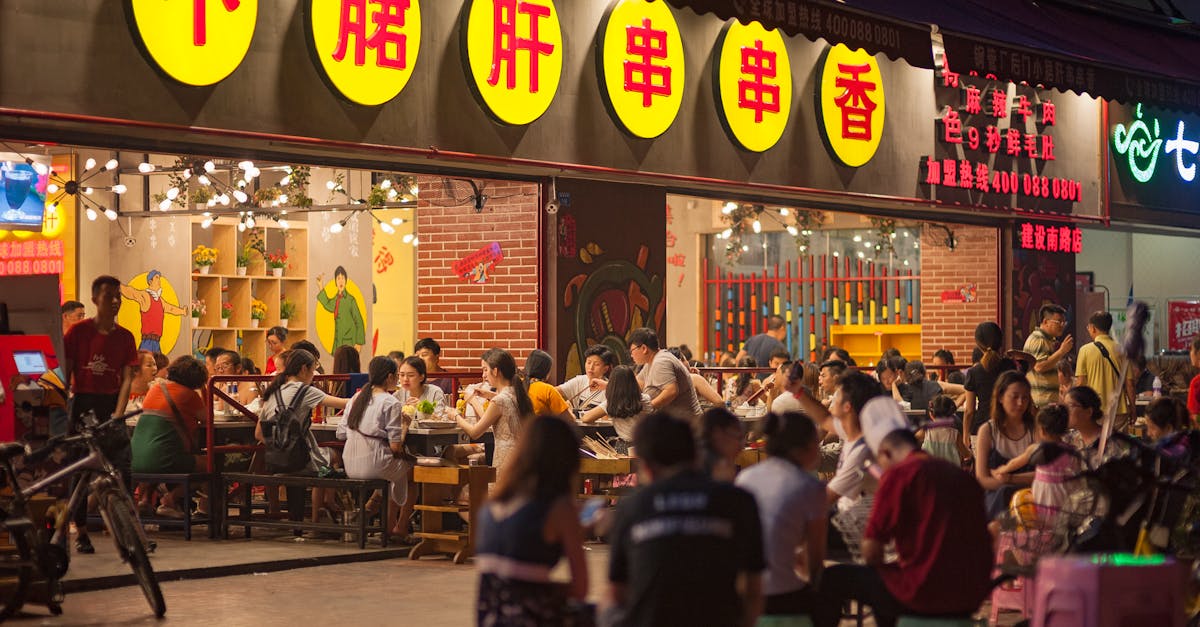
10. Yangshuo Night Market and Rock Bar
Yangshuo's Xi Jie (West Street) — the tourist strip of cafes, bars, and souvenir shops — is well known and cheerfully unpretentious about its tourist function. The hidden Yangshuo is the night market in the lanes behind Xi Jie and the specific bar culture of the Gui Hua Lu area that has developed around the rock climbing community that made Yangshuo famous in the international outdoor sports world. Yangshuo has the highest concentration of sport rock climbing routes in China (2,000+ bolted routes on the karst towers) and the climbers' bar culture that grew around it is distinct from the general tourist scene: more international, more physically fit, and more interested in the morning karst climbing conditions than in the standard Guilin tourist circuit.
The rock climbing culture at Yangshuo is accessible to beginners through the climbing schools that operate on the tower walls visible from Xi Jie — Karst Climbers and Yangshuo Mountain Retreat are the two established operators, running half-day beginner courses for ¥300-400 per person including equipment. The experience of rock climbing on limestone karst towers with the Li River and the Yangshuo valley visible below and to the side is specific to Yangshuo — no other climbing venue in China puts you this high above a landscape of this quality at this accessibility level.
The Yangshuo night market behind Xi Jie (the lanes between Xi Jie and the new commercial street to the east) has the best range of Guangxi minority craft at reasonable prices: the Dong indigo fabric, the Miao embroidered shoe insoles (as portable and inexpensive a Guangxi craft as exists), and the Zhuang brocade (tan jin, a geometric pattern woven in cotton and silk on the backstrap loom) are all available from the vendors who source directly from the minority producing communities. Prices here are 40-60% below the Guilin city tourist shops. Market hours 6 PM to midnight.
The final Yangshuo hidden experience is the bicycle ride on the Fu Li Road (浮力路) that circles the Yangshuo valley floor through the rice paddies between the karst towers. The 18-km circuit starts and ends at Yangshuo town center and takes 2-3 hours at tourist pace. The perspective from bicycle level between the towers — the towers' full vertical extent visible on both sides, the rice paddy water reflecting the sky, the farming communities maintaining the landscape that the Li River cruise photographs from a distance — is the most immersive possible encounter with the Guilin karst landscape available to any visitor with two wheels and an early morning.