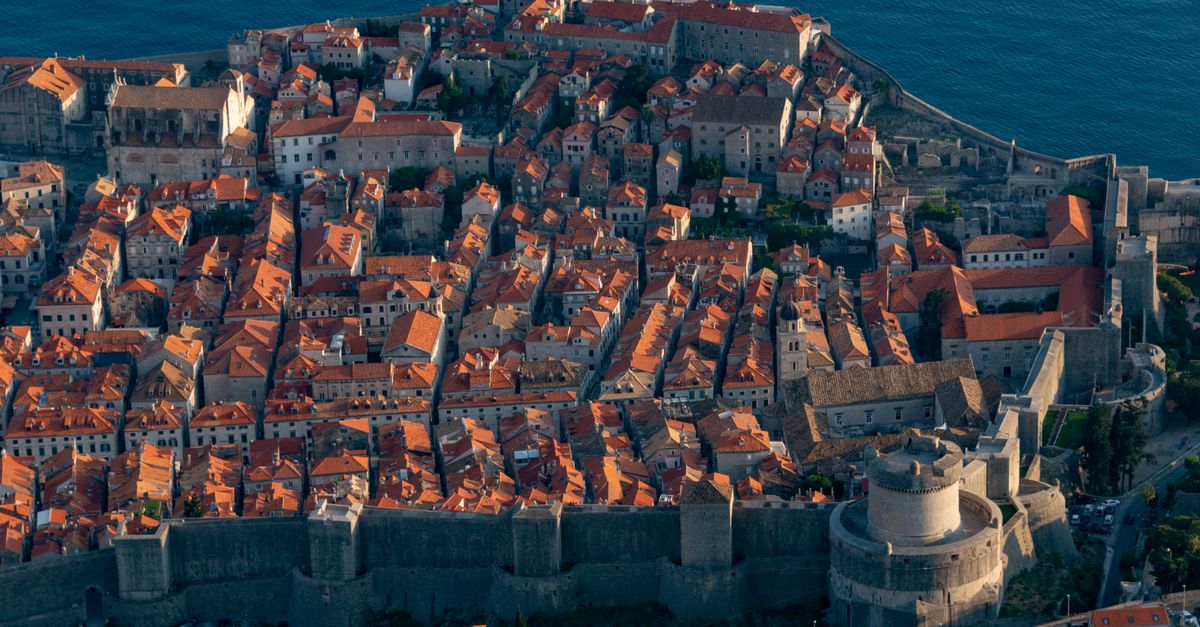
Dubrovnik's Hidden Gems: 5 Treasures Beyond the Walls
Dubrovnik's Old Town is breathtaking, but its fame means the streets inside the walls are rarely yours alone. The real hidden gems lie just outside — a Renaissance arboretum, a haunting photography museum, and beaches where locals outnumber tourists.
These five spots reveal a Dubrovnik that cruise ship passengers never see.

1. Lokrum Monastery & the Dead Sea
Most visitors take the ferry to Lokrum Island, walk to the nearest beach, swim, and leave. They miss the island's most fascinating corners.
The Benedictine monastery, founded in 1023 and abandoned in 1798, is now a museum of the island's natural history. The Napoleonic-era fort above it offers the best panoramic view of Dubrovnik's Old Town from sea level — better than the cable car because you're looking across water.
The Mrtvo More (Dead Sea) is a small saltwater lake connected to the ocean through an underwater cave. The water is warmer and calmer than the open sea, surrounded by flat rocks perfect for sunbathing. It's on the island's southern side, a 20-minute walk from the ferry dock through shaded forest paths.
Walk to the island's far eastern tip for the most secluded swimming spots. Rocky platforms with clear water and no one else in sight. The path passes through dense botanical gardens planted by Archduke Maximilian of Habsburg, with exotic species from his travels worldwide.
Peacocks roam everywhere — Maximilian introduced them and they've thrived. The males display their feathers constantly, especially near the monastery café. Bring your own snacks and water to avoid the overpriced restaurant. The ferry (€20 return) runs every 30 minutes from the Old Port.
2. War Photo Limited: Dubrovnik's Most Powerful Museum
Hidden up a narrow staircase on Antuninska Street in the Old Town, War Photo Limited is a small gallery dedicated to conflict photography from the Yugoslav Wars and other global conflicts. It's intense, uncomfortable, and essential.
The gallery was founded by New Zealand photojournalist Wade Goddard. Rotating exhibitions show war photography by internationally recognized journalists — not for shock value, but to document the human cost of conflict. The Croatian War of Independence (1991-95) features prominently, with images of Dubrovnik under siege that add devastating context to the beautiful city around you.

Entry is €8. Allow 45-60 minutes. The gallery is small — two floors of exhibition space — but the impact is enormous. Many visitors say this is the most meaningful museum they've visited in Dubrovnik, far more moving than the larger cultural institutions.
Open May through October only. The rooftop terrace offers coffee (€3) and views over the Old Town rooftops. Visit after the walls walk — seeing the siege photographs after walking the ramparts connects the historical destruction to the rebuilt beauty around you.
3. Trsteno Arboretum: Renaissance Garden on the Coast
Eighteen kilometers northwest of Dubrovnik, the Trsteno Arboretum is one of the oldest Renaissance gardens in the world. Noble families of the Dubrovnik Republic began planting here in 1492 — the same year Columbus sailed.
Two massive oriental plane trees at the entrance, planted in the 15th century, have trunks 5 meters in circumference. The garden cascades down terraced slopes to the sea, with a baroque fountain, an aqueduct, and collections of Mediterranean and exotic plants accumulated over 500 years.
Game of Thrones fans will recognize it as the garden where the Tyrells schemed. But the arboretum's appeal far transcends the show — it's a working botanical garden with a beauty that builds slowly as you explore its paths. The sea views through ancient cypress trees are particularly beautiful.
Entry is €7. Take KTEL bus 12, 15, 22, or 35 from the Dubrovnik bus station toward Ston/Split — the ride takes 25 minutes and costs about €3. Ask the driver to stop at Trsteno. Allow 90 minutes for the full garden. Bring a picnic — there's no restaurant but plenty of shaded benches with sea views.
4. Lapad Bay & the Coastal Walk
While tourists crowd the Old Town, locals spend their free time in Lapad — Dubrovnik's relaxed residential peninsula west of the center. The Lapad promenade runs along a sheltered bay with shallow, calm water, pine-shaded benches, and cafés that charge half the Old Town prices.
Lapad Beach is a pebble beach with gentle entry, perfect for swimming families. Free access; sunbed rental is €10-15 if you want one. The promenade behind the beach has gelato shops (€2-3), casual restaurants, and juice bars.
The coastal walk from Lapad to Babin Kuk peninsula takes about 45 minutes and passes through increasingly wild scenery. The path hugs the cliff edge with views across to the Elaphiti Islands. At the tip of Babin Kuk, rocky platforms provide secluded swimming spots with nobody around.

Sunset from the western tip of the Lapad promenade is spectacular — the sun drops directly into the Adriatic with the Elaphiti Islands silhouetted on the horizon. Grab a beer at Cave Bar More (Hotel More, Kardinala Stepinca 33), built inside an actual sea cave. Drinks cost €8-12 but the setting is extraordinary.
5. Fort Lawrence (Lovrijenac): The Real Fortress
Fort Lawrence (Lovrijenac) sits on a 37-meter cliff just outside the western walls. Built originally in the 11th century to defend against Venetian attack, it became famous as the exterior of the Red Keep in Game of Thrones. But its real history is far more interesting than its fictional one.
An inscription above the entrance reads "NON BENE PRO TOTO LIBERTAS VENDITUR AURO" — "Freedom is not sold for all the gold in the world." The Dubrovnik Republic's fierce independence is carved into the stone itself.
The fortress is triangular, with walls up to 12 meters thick on the seaward side but only 60 cm thick on the side facing the city — designed so that the Republic's own cannons could destroy it if it were ever captured by an enemy. This architectural paranoia tells you everything about Dubrovnik's relationship with its own defense.
Entry is €15 (free with Dubrovnik Card). During the Dubrovnik Summer Festival (July-August), Shakespeare's Hamlet is performed on the fortress terrace — one of the world's most dramatic theater settings. Tickets cost €15-35 and sell out quickly. Book at dubrovnik-festival.hr.
Visit in late afternoon when the light hits the western walls and the fortress dramatically. The view from inside looking back at the Old Town, framed through the fortress gates, is one of Dubrovnik's most photogenic angles.
More Under-the-Radar Spots
| Hidden Gem | Cost | Getting There |
|---|---|---|
| Lokrum Monastery & Dead Sea | €20 (ferry return) | Ferry from Old Port |
| War Photo Limited | €8 | Antuninska St, Old Town |
| Trsteno Arboretum | €7 + €3 bus | Bus 12/15/22/35 |
| Lapad Bay & coastal walk | Free | Bus 6 from Pile Gate |
| Fort Lawrence | €15 (or Dubrovnik Card) | 5-min walk from Pile Gate |
The Island of Koločep (Kalamota), the closest Elaphiti island, is reachable by Jadrolinija ferry in 20 minutes (€5). No cars, no hotels, just two tiny villages connected by a path through pine forest. Swim in the Blue Cave on the island's west side and eat grilled fish at Konoba Stijepović (mains €12-16). It's a half-day escape from everything.
The Dubrovnik War Museum inside Fort Imperial atop Mount Srđ (€5, reachable by cable car) documents the 1991-92 siege with maps, shells, and personal accounts. Standing where defenders held the hilltop against overwhelming odds, looking down at the city they saved, is one of Croatia's most powerful museum experiences.
Dubrovnik's Old Town is magnificent, but it's a stage set that cruise ships fill to capacity daily. The hidden Dubrovnik — the arboretum planted before Columbus sailed, the cliff-side fortress built on democratic paranoia, the local beach where nobody speaks English — is where the city's real story lives.
Plan your 3-day Dubrovnik itinerary Visit Dubrovnik on a budget